

San Francisco Museum of Modern Art: A Window into Contemporary Vision
The San Francisco Museum of Modern Art (SFMOMA) isn’t merely a building filled with art; it's an experience, a conversation between the past and the present, and a vibrant reflection of the city that cradles it. Founded in 1935 with a bold ambition – to dedicate itself entirely to the burgeoning world of modern and contemporary artistic expression – SFMOMA quickly established itself as a pioneering institution, one that dared to champion new forms of visual language and challenge conventional notions of art. From its humble beginnings within the Veterans Building, it has blossomed into a sprawling complex, a testament to both architectural innovation and an unwavering commitment to showcasing the most significant artists and movements of our time.
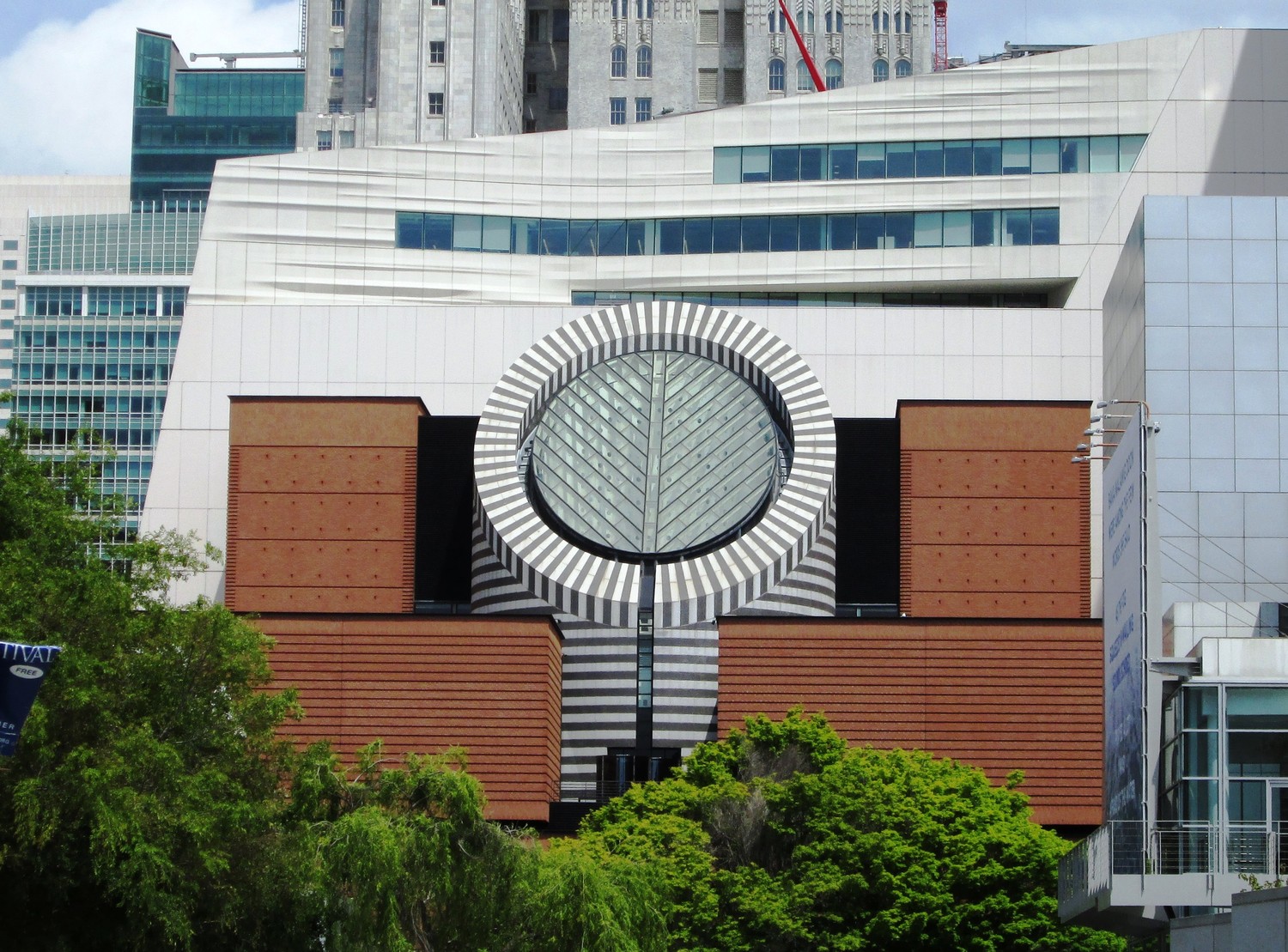
Architecturally, SFMOMA is a captivating blend of styles. The original building, designed by the renowned Swiss architect Mario Botta, immediately announced its arrival with a striking terracotta-hued facade – a bold statement against the San Francisco skyline. However, it was the 2016 expansion, spearheaded by the Norwegian firm Snøhetta, that truly redefined the museum’s physical presence. This addition dramatically increased gallery space and created an inviting, fluid environment, seamlessly integrating Botta's original design with contemporary elements. The result is a dynamic interplay of form and vision – a building that feels both timeless and utterly modern.
A Collection That Speaks Volumes
Within its expansive walls, SFMOMA’s collection boasts over 33,000 works spanning an astonishing range of mediums: painting, sculpture, photography, architecture, design, and media arts. It's a carefully curated tapestry that reflects the breadth and depth of modern and contemporary artistic practice, offering visitors a profound journey through the evolution of visual expression. The museum’s holdings are particularly strong in abstract expressionism, with iconic pieces by Jackson Pollock and Mark Rothko commanding attention – their vibrant colors and dynamic brushstrokes embodying the spirit of experimentation and innovation that defined this era. Equally impressive is the museum's collection of Pop Art, a remarkable testament to the transformative gifts from Harry W. “Hunk” and Mary Margaret “Moo” Anderson, featuring instantly recognizable works by Andy Warhol, Roy Lichtenstein, and Claes Oldenburg – artists who captured the energy and spirit of popular culture.
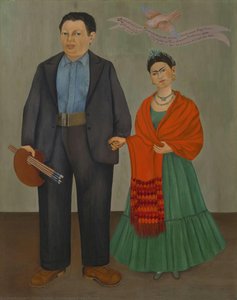
Beyond these foundational movements, SFMOMA’s collection delves into a diverse range of artistic voices. You'll discover significant contributions from Latin American artists, whose work often explores themes of identity, social justice, and cultural heritage; groundbreaking photography from Ansel Adams to contemporary practitioners, documenting the world through a lens of beauty and observation; and innovative explorations in design and media arts that push the boundaries of what’s possible. A highlight is undoubtedly the Doris and Donald Fisher Collection, a permanent addition to the museum's holdings that showcases an exceptional array of 20th- and 21st-century art – a treasure trove for any serious collector or art enthusiast.
Echoes of Innovation: History and Notable Exhibitions
SFMOMA’s history is one of constant evolution and groundbreaking exhibitions. From its early showcases of Pollock's work, which ignited public interest in abstract expressionism, to more recent retrospectives dedicated to artists like KAWS – whose “FAMILY” exhibition captivated audiences in 2025 – the museum has consistently identified and celebrated both established masters and emerging talents. The museum’s commitment extends far beyond simply displaying art; it actively fosters dialogue and critical engagement through thought-provoking exhibitions that address contemporary social and political issues, reflecting a deep understanding of its role as a cultural catalyst.
A notable example is the museum's embrace of new media and experimental forms. SFMOMA frequently presents immersive installations and interactive experiences – challenging traditional notions of artistic practice and inviting visitors to become active participants in the creative process. The annual KAWS exhibition, for instance, exemplifies this commitment, offering a dynamic and engaging experience that resonates with audiences of all ages.
A Cultural Hub at the Heart of San Francisco
SFMOMA is more than just a museum; it’s an integral part of San Francisco's vibrant cultural ecosystem. Located in the heart of SoMa, it’s within easy reach of other galleries, performance spaces, and design studios – fostering a sense of community and collaboration among artists and creatives. The museum actively engages with local schools and organizations, offering educational programs and outreach initiatives that make art accessible to diverse audiences, ensuring that the transformative power of artistic expression is shared far and wide. For collectors seeking inspiration, interior designers looking for cutting-edge aesthetics, or simply art lovers yearning for an immersive experience, SFMOMA offers a journey through the defining artistic movements of our time – leaving an indelible mark on all who enter its doors.