A Florentine Heartbeat: The Basilica di San Lorenzo
The Basilica di San Lorenzo in Florence isn’t merely a church; it's a palimpsest of Florentine history, ambition, and artistic genius etched into stone and marble. Situated within the vibrant pulse of the city’s market district, its weathered façade hints at centuries of stories—a narrative interwoven with papal patronage, familial piety, and groundbreaking innovation. To approach San Lorenzo is to step into the very crucible of the Renaissance, a place where the humanist revival of antiquity found breathtaking expression in architecture, sculpture, and design. The basilica's unassuming exterior belies the treasures held within, a testament to the Medici family’s enduring legacy and their profound impact on the cultural landscape of Florence. It stands as a powerful reminder that even the most seemingly austere structures can hold within them layers of opulent history and artistic brilliance.
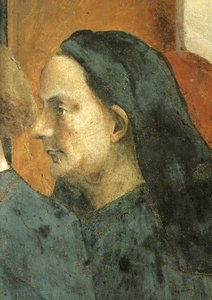
The story of San Lorenzo begins long before the Renaissance, with its consecration in 393 AD, making it arguably the oldest church in Florence. However, it was Giovanni di Bicci de' Medici who envisioned a grander edifice, one worthy of his family’s growing power and influence. He commissioned Filippo Brunelleschi, already celebrated for his revolutionary dome on the Duomo, to undertake this monumental task. Brunelleschi’s design wasn’t about ostentatious display; it was an exercise in harmonious proportion and classical restraint. Utilizing a modular system based on the square aisle bay, he created a nave space of remarkable clarity and balance. The columns, arches, and entablatures meticulously modeled after Roman ideals contribute to a sense of grandeur that feels both timeless and profoundly human. Walking through the basilica is akin to entering a living geometry lesson, where mathematical precision translates into an experience of serene beauty – a testament to Brunelleschi’s genius in reconciling classical principles with the needs of a burgeoning city.
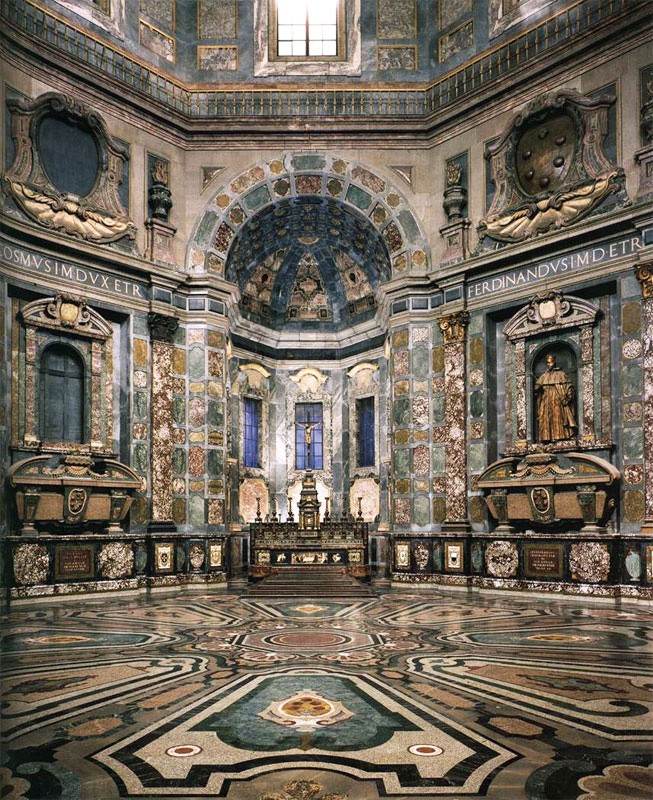
Within these opulent spaces lies the mausoleum of the Medici family—the Medici Chapels, a breathtaking display of marble, semi-precious stones, and intricate sculptural decoration. This complex represents the apex of Florentine Baroque artistry, showcasing an almost overwhelming abundance of materials and detail. The Cappella dei Principi, in particular, is a dizzying spectacle – a testament to the Medici’s wealth and their desire to immortalize themselves within a space that rivals the grandeur of Rome. The intricate marble inlay, depicting scenes from the lives of the Medici rulers, is executed with astonishing skill, reflecting the family's ambition to be remembered as figures of immense power and influence. The sheer scale of the decoration speaks volumes about the dynasty’s dominance during its time.
But San Lorenzo is more than just Brunelleschi’s architectural triumph. It became the spiritual heart of the Medici dynasty, and subsequent generations continued to embellish and expand the complex. The New Sacristy, conceived by Michelangelo, represents a different kind of ambition – an unfinished masterpiece that nevertheless reveals his innovative approach to sculpture and architecture. Though never fully completed as he envisioned, it showcases his experimental use of space and his desire to break from traditional conventions. The Laurentian Library, also conceived by Michelangelo, is a sanctuary for scholars and book lovers alike, its soaring ceilings and harmonious proportions creating an atmosphere conducive to contemplation and intellectual pursuit. The library’s design reflects Michelangelo's belief in the importance of beauty and order – a philosophy that permeated his entire artistic output.
Recent exhibitions have focused on Michelangelo’s sculptural contributions, exploring his evolving style and artistic vision, while displays showcasing Florentine Renaissance painting—particularly Fra Angelico’s frescoes—have captivated audiences worldwide. The Basilica di San Lorenzo continues to evolve as a living museum, offering visitors a unique opportunity to trace the threads of Florentine history through its art, architecture, and enduring legacy. It is a place where the ghosts of Renaissance masters seem to linger, inspiring awe and wonder in all who enter – a tangible connection to the creative spirit that shaped Western civilization.
The Architectural Layers: From Roman Roots to Medici Grandeur
San Lorenzo’s story isn't simply about its beauty; it’s deeply intertwined with the city’s own evolution. Originally consecrated as a church in 393 AD, it stood outside the walls of Florence until the 15th century, reflecting the city’s growing power and influence. The original structure was significantly expanded under Giovanni di Bicci de' Medici, who commissioned Filippo Brunelleschi to design a new basilica – a project that would ultimately redefine Florentine architecture. Brunelleschi’s genius lay in his ability to synthesize classical Roman principles with the practical needs of a burgeoning city. He employed a modular system based on square aisle bays, creating a nave space of remarkable clarity and balance—a testament to his mastery of geometry and proportion. The basilica's exterior, while seemingly restrained, is a carefully orchestrated display of architectural harmony, reflecting the humanist ideals that were shaping Florence at the time.
The Medici family’s patronage transformed San Lorenzo into more than just a church; it became their personal mausoleum and a symbol of their power. Subsequent generations continued to embellish and expand the complex, adding the opulent Medici Chapels – a dazzling display of Baroque excess that stands in stark contrast to the basilica's earlier restraint. The New Sacristy, designed by Michelangelo, represents a different kind of ambition—an unfinished masterpiece that nevertheless reveals his innovative approach to sculpture and architecture. The Laurentian Library, also conceived by Michelangelo, is a sanctuary for scholars and book lovers alike, its soaring ceilings and harmonious proportions creating an atmosphere conducive to contemplation and intellectual pursuit. The layering of architectural styles – from Romanesque foundations to Renaissance grandeur and Baroque embellishments – creates a rich tapestry of history within the basilica’s walls.
Michelangelo's Enduring Legacy
The influence of Michelangelo on San Lorenzo is profound and multifaceted. Beyond his design for the New Sacristy, which remains unfinished but offers a tantalizing glimpse into his visionary approach to space and form, he also left an indelible mark through his sculptural contributions – notably in the Old Sacristy, where Donatello’s sculptures provide a crucial link to early Renaissance artistry. Michelangelo's presence is felt throughout the complex, not just in his architectural designs but also in the atmosphere of artistic innovation that permeates the space. His unfinished projects serve as reminders of the boundless potential of his genius and the challenges he faced in bringing his ambitious visions to fruition. The basilica itself stands as a testament to his enduring legacy – a place where his creative spirit continues to inspire awe and wonder.
A Treasure Trove of Artistic Detail
San Lorenzo is more than just a grand building; it’s a repository of artistic treasures, each telling its own story. From the intricate marble inlay of the Medici Chapels to the vibrant colors of the manuscripts in the Laurentian Library, every detail reflects the wealth, power, and artistic sensibilities of the Medici family. Donatello's sculptures within the Old Sacristy capture grace and emotion with masterful technique, offering a poignant glimpse into early Renaissance artistry. The frescoes adorning the walls—including those by Fra Angelico—depict scenes from biblical narratives and the lives of the saints, inviting contemplation and spiritual reflection. A visit to San Lorenzo is an immersive experience – a chance to encounter masterpieces spanning centuries and appreciate the extraordinary skill and creativity of Florence’s greatest artists.
Visiting San Lorenzo: A Journey Through Time
Today, San Lorenzo remains one of Florence's most popular tourist destinations, attracting visitors from around the world who come to marvel at its architectural grandeur and artistic treasures. The basilica is located in the heart of the city’s market district, making it easily accessible by foot or public transport. Guided tours are available, offering insights into the history, architecture, and art of San Lorenzo. Be sure to allow ample time to explore the Medici Chapels, the New Sacristy, and the Laurentian Library – each a unique testament to Florentine artistry and ambition. A visit to Basilica di San Lorenzo is more than just sightseeing; it’s a pilgrimage into the heart of Florentine history and art—a chance to connect with the creative spirit that shaped Western civilization.