



A Cathedral of Echoes: Unveiling the Soul of Ghent
Nestled within the vibrant heart of Ghent, Belgium, the St. Bavo’s Cathedral stands as more than just a magnificent edifice; it's a living chronicle of the city’s evolution, a testament to enduring faith, and a repository of artistic treasures that resonate across centuries. From its humble beginnings as a small chapel dedicated to Saint John the Baptist in the 9th century, through periods of turbulent rebellion and triumphant renaissance, the cathedral has absorbed the very essence of Ghent – its resilience, its artistry, and its unwavering spirit. Stepping inside is akin to entering a layered narrative, where Romanesque solidity gives way to soaring Gothic aspiration, culminating in Baroque exuberance, each era meticulously interwoven into the fabric of this extraordinary space.
The cathedral’s architecture itself tells a story. The imposing western façade, a dramatic display of Gothic power, hints at the ambitious building projects undertaken during the 15th and 16th centuries. Notice the intricate carvings adorning the portals – depictions of saints and biblical scenes that once served as visual sermons for the faithful. The soaring nave, with its ribbed vaults reaching towards the heavens, embodies the medieval yearning for spiritual transcendence. But delve deeper, and you’ll discover the quieter echoes of the Romanesque crypt beneath your feet, a tangible link to the cathedral's earliest foundations. The careful balance between these architectural styles – a deliberate layering of history and artistic expression – is what truly sets St. Bavo’s apart.
The Ghent Altarpiece: A Masterpiece Unveiled
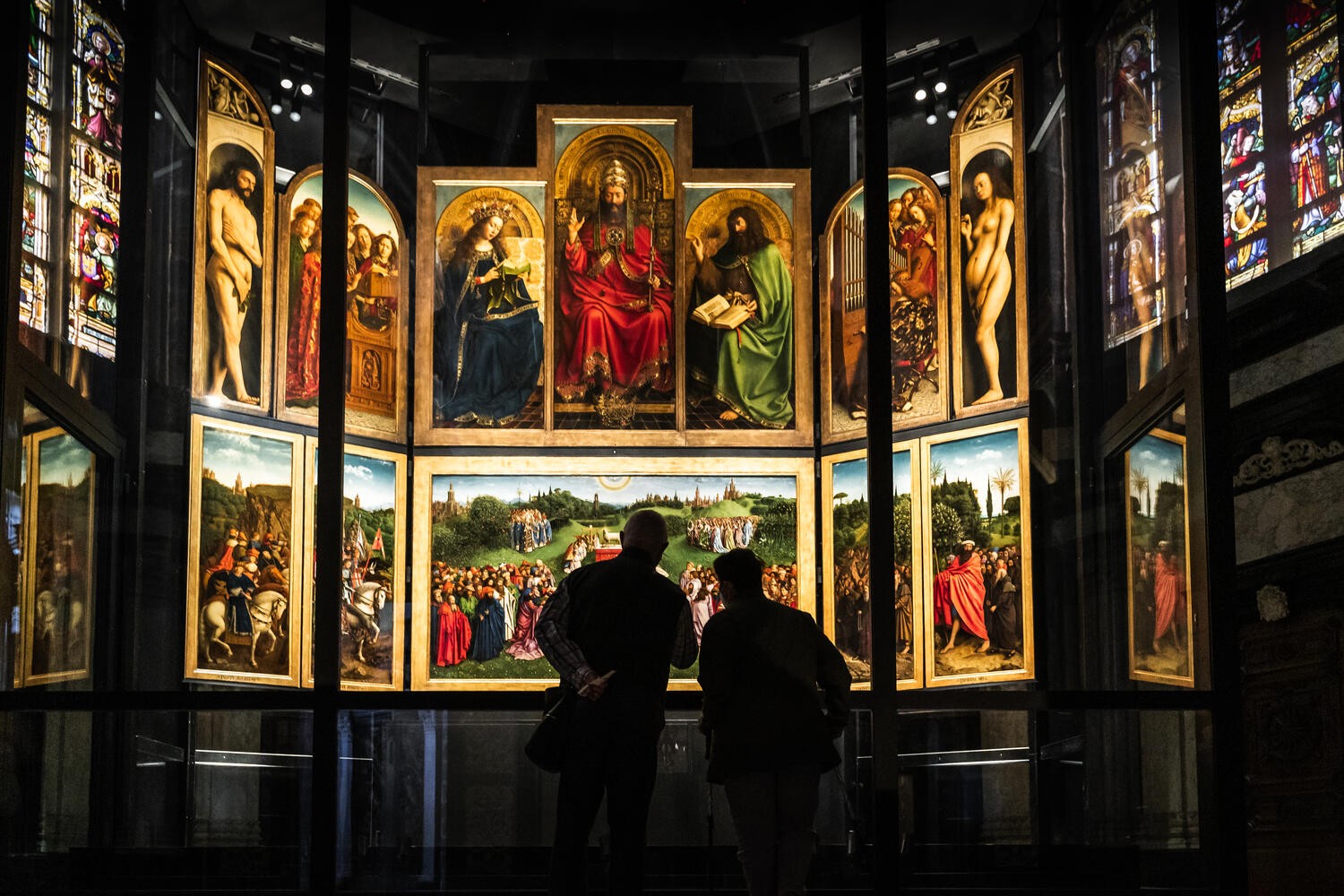
Undoubtedly the cathedral’s most celebrated treasure, Jan van Eyck’s *Ghent Altarpiece* (1432) is a masterpiece of Early Netherlandish painting. This polyptych, comprising seven panels depicting scenes from the Old Testament and New Testament, is renowned for its breathtaking realism, luminous colors, and profound symbolic depth. The meticulous detail – from the textures of the fabrics to the expressions on the figures’ faces – is astonishing, showcasing Van Eyck's unparalleled mastery of oil painting techniques. The mystery surrounding the missing panel of *The Just Judges* only adds to the altarpiece’s allure, fueling speculation and inspiring ongoing research. The sheer scale and technical brilliance of this work are a testament to Van Eyck’s genius and a cornerstone of Northern Renaissance art.
Architectural Highlights: A Symphony of Styles
Beyond the Altarpiece, the cathedral boasts a remarkable collection of architectural elements that showcase evolving artistic styles. The Baroque high altar in the choir is a dazzling display of craftsmanship, featuring intricate marblework and gilded ornamentation – a testament to the opulence and grandeur of the 18th century. The Rococo pulpit, with its delicate carvings and vibrant colors, exemplifies the elegance and refined taste of that era. Don’t miss the impressive tombs of Ghent bishops, each a unique sculptural statement reflecting the power and prestige of the Church in Ghent. These elements, carefully integrated into the cathedral's design, create a harmonious blend of historical periods and artistic influences.
A Tapestry of History: Rebellion and Faith Intertwined
The history of St. Bavo’s Cathedral is inextricably linked to the tumultuous history of Ghent itself. The cathedral witnessed firsthand the city’s struggles for independence, its religious upheavals, and its periods of prosperity. In 1566, during the Reformation, Calvinist iconoclasts desecrated the church, shattering stained glass windows and destroying artworks deemed idolatrous. Remarkably, the *Ghent Altarpiece* was spared, a testament to the reverence even those in opposition held for Van Eyck’s masterpiece. This act of preservation speaks volumes about the enduring value placed on artistic heritage. The cathedral's story is not simply one of religious devotion; it’s also a chronicle of civic pride and resistance – a place where faith and rebellion intertwined, shaping the city’s character for centuries to come.
Contemporary Connections: Augmented Reality and Ongoing Restoration
St. Bavo’s Cathedral remains an active place of worship and a vibrant cultural hub. Recognizing the importance of engaging a wider audience, the cathedral has embraced innovative technologies to bring its history to life. Augmented reality (AR) tours offer visitors a unique opportunity to explore the cathedral's past, overlaying historical images and information onto their mobile devices. Currently, the cathedral is undergoing a meticulous restoration project, meticulously documented and partially visible at the Museum of Fine Arts in Ghent. This ongoing effort ensures that Van Eyck’s masterpiece and other invaluable artworks will be preserved for generations to come. The transparency of this restoration process – with glimpses into the painstaking work being undertaken – provides visitors with a rare insight into the dedication required to safeguard cultural treasures.