

The Städel Museum: A Chronicle of Vision and Light
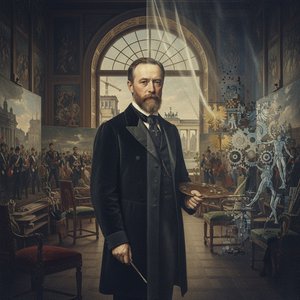
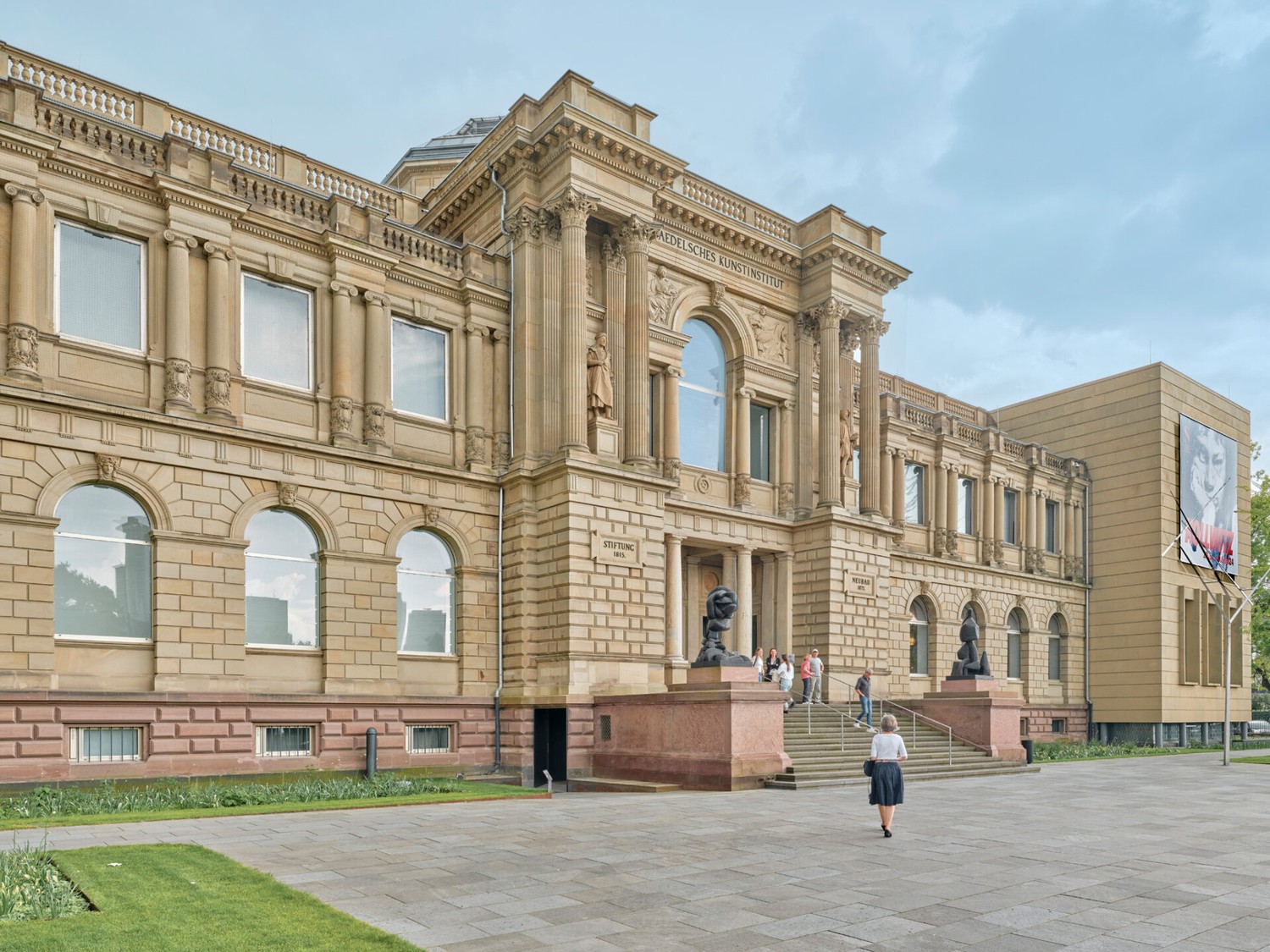
Nestled along Frankfurt’s vibrant Museumsufer – a riverside promenade brimming with artistic treasures – the Städel Museum stands as more than just a repository of art; it's a living testament to centuries of creative evolution. Founded in 1817 by Johann Friedrich Städel, a wealthy merchant and avid collector, the museum’s origins were rooted in a personal passion for assembling a collection that reflected the breadth and beauty of European artistic achievement. Initially conceived as a private gallery, it was meticulously curated with an eye toward showcasing both established masters and emerging talents, establishing a precedent for its enduring commitment to representing diverse artistic voices. Today, the Städel’s sprawling complex – a harmonious blend of historic architecture and modern design – houses a staggering collection spanning from the 14th century to the present day, offering visitors an unparalleled journey through the history of art.
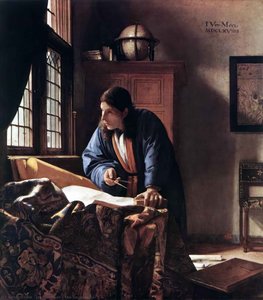
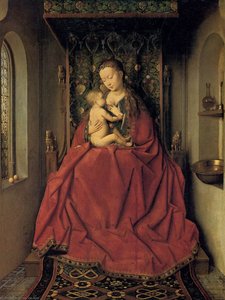
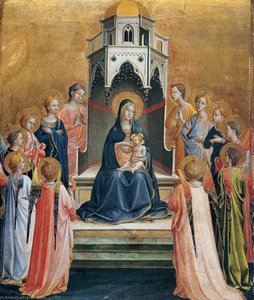
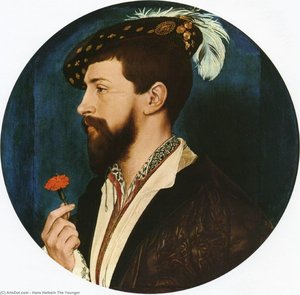
The museum's heart beats strongest within its Old Masters galleries, where a truly remarkable assembly of paintings unfolds. Here, you’ll encounter the luminous landscapes of Lucas Cranach the Elder – particularly his haunting “Melancholy,” a poignant meditation on human emotion and mortality that seems to capture the very essence of introspection. Alongside this resides the regal portraiture of Hans Holbein the Younger, whose meticulous detail and psychological insight offer profound glimpses into the personalities of his subjects. The dramatic narratives of Pieter Bruegel the Elder, with their vibrant scenes of peasant life and allegorical tales, transport viewers to a world both familiar and fantastical. Beyond these giants, the collection boasts significant works by Sandro Botticelli, renowned for his ethereal beauty and graceful figures; Rembrandt van Rijn, whose masterful use of light and shadow creates an unparalleled sense of drama and emotion; and Jan Vermeer, celebrated for his serene domestic scenes that capture the quiet beauty of everyday life. Each piece within this section whispers a story—a testament to artistic skill, historical context, and enduring human fascination.
A Renaissance of Prints and Drawings
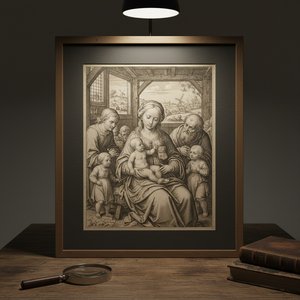
The Städel’s department of prints and drawings is globally renowned, housing an extraordinary array of etchings, engravings, and lithographs. This isn't merely a collection; it’s a chronicle of printmaking itself, tracing its evolution from the early experiments with woodcut to the sophisticated techniques of the 19th century. From Dürer’s meticulously rendered anatomical studies – groundbreaking works that revolutionized scientific illustration – to the emotionally charged landscapes and portraits created by Goya and Picasso, the collection provides a fascinating insight into the development of printmaking as an art form. The sheer volume and quality of these works demonstrate the profound influence of prints on artistic expression, serving not only as reproductions but also as independent creative statements in their own right. The department’s holdings reveal a constant interplay between drawing and printmaking, showcasing how artists utilized both mediums to explore new ideas and techniques.
Modern Masters & Contemporary Voices
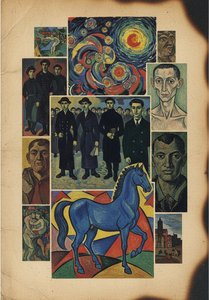
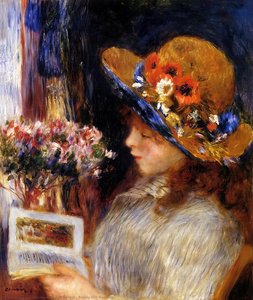
Beyond its historical treasures, the Städel Museum embraces the dynamism of modern art. The museum’s collection includes significant works by Claude Monet, whose Impressionistic landscapes capture fleeting moments of light and color; Pablo Picasso, a revolutionary figure who shattered artistic conventions with his innovative cubist style; Max Beckmann, known for his emotionally charged depictions of war and social upheaval; and Gerhard Richter, a contemporary master whose abstract paintings explore the nature of perception and reality. These artists represent just a fraction of the museum’s commitment to showcasing both established masters and emerging contemporary voices, ensuring that the Städel remains at the forefront of artistic innovation. The juxtaposition of these diverse styles and periods creates a stimulating dialogue between past and present, inviting visitors to contemplate the ongoing evolution of art.
Architectural Harmony: A Space for Art and Light
The Städel Museum's architectural design is as captivating as its collection. The building’s evolution reflects the museum’s own history – a testament to continuous expansion and adaptation. Originally conceived as a modest structure, it has undergone several significant transformations over the centuries, culminating in the stunning complex we see today. The most recent addition, completed in 2012, is a masterpiece of contemporary architecture by Herzog & de Meuron, seamlessly integrating into the existing fabric of the museum while providing state-of-the-art exhibition spaces. The building’s façade, clad in shimmering stainless steel panels, reflects the surrounding cityscape and creates an ever-changing interplay of light and shadow – a visual metaphor for the museum's own dynamic engagement with art history. The integration of this modern element with the historic structure is a remarkable achievement, demonstrating a thoughtful respect for both tradition and innovation.
Furthermore, the Städel benefits from its prime location along Frankfurt’s Museumsufer, offering visitors a delightful opportunity to stroll through a vibrant cultural landscape. The rooftop terrace, accessible to the public, provides panoramic views of Frankfurt's skyline and the river – a perfect vantage point for appreciating the museum’s architectural grandeur and reflecting on the vast artistic treasures within its walls. The Schaumainkai Rooftop is more than just a viewing platform; it’s a gathering place, fostering a sense of community and connection with art.