A Life Forged in Flight: The World of Adriaen Pietersz van de Venne
Adriaen Pietersz van de Venne, a name resonating with the vibrant energy of the Dutch Golden Age, was more than just a painter; he was a visual storyteller, a social commentator, and a versatile artist who navigated the complex currents of 17th-century life. Born in Delft in 1589, his very origins were steeped in upheaval. His parents, fleeing religious persecution in the Southern Netherlands, instilled within him a sense of displacement that perhaps fueled his keen observation of societal fractures and human foibles. This early experience shaped not only his artistic vision but also his commitment to using art as a mirror reflecting the world around him—its joys, its sorrows, and its often-pointed ironies. Van de Venne’s education began in Leiden, where he immersed himself in the intellectual ferment of the university town, acquiring a grounding in Latin that would later serve him well in understanding classical allegories and humanist thought. His formal artistic training commenced with Simon de Valk, a master goldsmith and painter, followed by an apprenticeship with Jeronimus van Diest, honing his skills in the delicate art of grisailles—monochrome paintings executed in shades of gray, a technique that would become a hallmark of his style.Early Influences and Artistic Formation
Van de Venne’s formative years were marked by exposure to influential artistic currents. His parents' decision to relocate from the Southern Netherlands – a region embroiled in religious conflict between Catholics and Protestants – instilled within him a profound awareness of social division and shaped his worldview. This sensitivity would later translate into his art, informing his ability to portray complex emotions and ideas with nuance and subtlety. He began his academic pursuits at Leiden University, where he diligently studied Latin—a crucial skill for accessing classical texts and humanist scholarship that profoundly impacted his artistic sensibilities. Recognizing the importance of formal training, he enrolled in Simon de Valk’s atelier, gaining invaluable experience in goldsmithing and painting techniques. Subsequently, he undertook an apprenticeship with Jeronimus van Diest, mastering the art of grisailles—a technique characterized by its monochromatic palette and meticulous attention to detail—which would become a defining feature of his oeuvre. This methodical approach to artistic development ensured that Van de Venne possessed a solid foundation upon which to build his distinctive style.The Middelburg Years: Bruegel’s Legacy
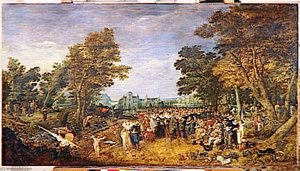
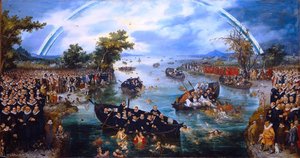
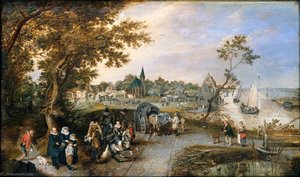
A pivotal moment in Van de Venne's artistic journey arrived with his relocation to Middelburg in 1614. Here, he encountered the indelible influence of Jan and Pieter Brueghel the Elder—artists who had revolutionized genre painting by depicting peasant life with unflinching realism and imbued their canvases with moral lessons. The brothers’ masterful use of color, composition, and symbolism captivated Van de Venne's imagination and inspired him to explore similar expressive strategies in his own work. It was during this period that he created Fishing for Souls—a monumental allegory depicting the struggle between faith and doubt amidst the turbulent religious landscape of the Eighty Years’ War. This ambitious undertaking demonstrated Van de Venne’s ability to distill complex theological concepts into compelling visual narratives, establishing him as an artist capable of engaging with pressing social and political issues. The depiction of fishermen casting nets—representing souls—against a stormy sea—symbolizing the perils of heresy—served as a powerful commentary on the era's religious divisions and underscored Van de Venne’s commitment to conveying moral truths through art.From Book Illustration to Court Commissions: Expanding Horizons
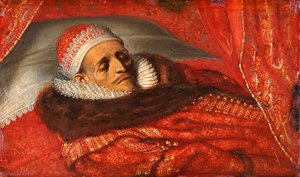
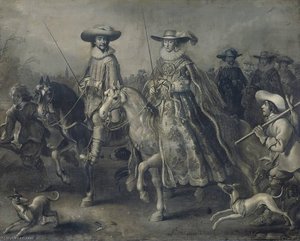
Van de Venne’s artistic versatility extended beyond monumental allegories; he excelled in numerous other mediums, demonstrating an exceptional command of technique and creativity. He began his career as a book illustrator, collaborating with publishers like Jan van Goyen and Jacob Cats—a prolific poet whose writings explored themes of morality and social satire. His illustrations for Cats' books were particularly noteworthy for their meticulous detail and expressive dynamism, capturing the spirit of Dutch culture with remarkable accuracy. Furthermore, he secured commissions from Frederik Hendrik, the Dutch stadholder—a position that afforded him access to royal patronage and allowed him to contribute to the artistic grandeur of The Hague. He executed portraits of prominent figures—including members of the nobility—demonstrating his skill in capturing likenesses with precision and conveying psychological depth. His involvement in the Guild of Saint Luke—the dominant professional organization for artists in Holland—further solidified his standing within the art world and ensured that he remained abreast of artistic innovations.A Lasting Impression: Grisailles, Satire, and Remembrance
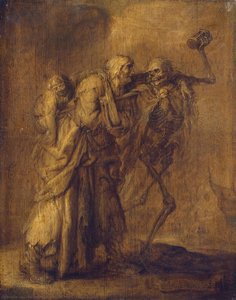
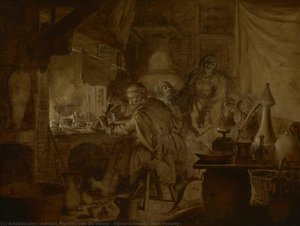
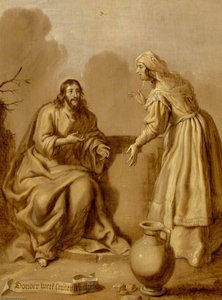
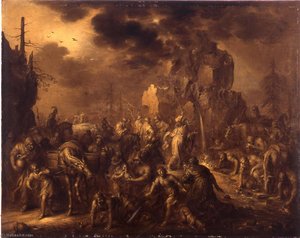
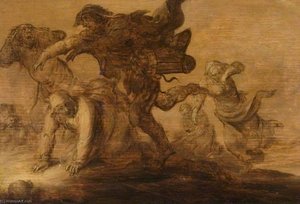
Throughout his prolific career, Van de Venne consistently employed grisailles—monochrome paintings executed entirely in shades of gray—a technique favored by artists like Rembrandt and Rubens for its ability to convey emotion and atmosphere with understated elegance. His grisaille portraits—particularly those depicting the impoverished and maimed—are considered masterpieces of psychological realism, capturing the vulnerability and dignity of his subjects with profound sensitivity. He also produced satirical prints and engravings that challenged conventional notions of beauty and morality—reflecting a broader artistic trend toward critical engagement with societal norms. Van de Venne’s legacy endures not only in his paintings but also in his influence on subsequent generations of artists—who admired his mastery of grisailles and his ability to infuse genre scenes with moral instruction. He died in The Hague in 1662, leaving behind a substantial body of work that continues to inspire admiration for its artistic merit and historical significance. His contribution to Dutch art history is undeniable—a testament to his unwavering dedication to craftmanship and his profound understanding of the human condition.Perguntas e Respostas
De onde é Adriaen Pietersz van de Venne?
Adriaen Pietersz van de Venne nasceu em Países Baixos.
Qual é o local e o ano de nascimento de Adriaen Pietersz van de Venne?
Adriaen Pietersz van de Venne nasceu em Delft, em 1589.
Quais pseudônimos ou nomes alternativos Adriaen Pietersz van de Venne possui?
Adriaen Pietersz van de Venne aparece sob os nomes alternativos Adriaen Jansz van Ostade.