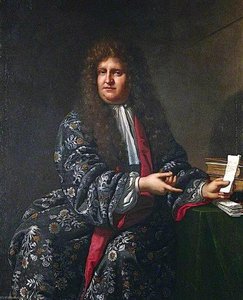
A Legacy Forged in Baroque Splendor: The Life and Art of Benedetto Gennari II
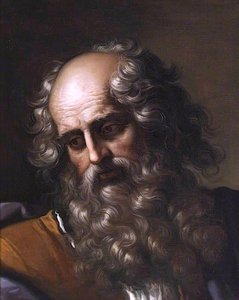
Benedetto Gennari II, born in Cento, Italy, in 1633, emerged from a distinguished lineage of artists, destined to leave his own indelible mark on the vibrant tapestry of the Baroque period. As the grandson of Benedetto Gennari I and brother to Cesare Gennari, he inherited not merely a family name steeped in artistic tradition but also a profound understanding of painting’s power—a legacy nurtured by his father, Ercole Gennari, and mother, Lucia Barbieri. His formative years were profoundly shaped by an apprenticeship under the celebrated Guercino, whose dramatic use of light and shadow, emotional intensity, and dynamic compositions would become foundational to Gennari's early style. This tutelage instilled in him a meticulous technique and a keen eye for capturing both physical likeness and inner character, qualities that would define his future success.Early Training & Influences: The School of Guercino
Benedetto’s artistic journey began under the watchful gaze of Giovanni Francesco Barbieri—better known as Guercino—a master whose influence permeated every aspect of Gennari's formative years. Guercino, a pivotal figure in Baroque art, championed a style characterized by theatrical lighting, expressive brushstrokes, and an unwavering commitment to portraying human emotion with visceral realism. Recognizing Guercino’s genius, Benedetto eagerly embraced his teachings, diligently honing his skills in disegno (drawing) and colore (color). This intensive training instilled in him not only technical proficiency but also a deep appreciation for the expressive potential of visual art—a sensibility that would permeate Gennari's subsequent oeuvre. The dramatic chiaroscuro technique perfected by Guercino—the masterful manipulation of light and dark to heighten emotional impact—became an indispensable element of Gennari’s artistic vocabulary, shaping his compositions and informing his palette choices throughout his career.A Cosmopolitan Career: From Bologna to Parisian Courts
Following Guercino’s passing in 1666, Benedetto and Cesare jointly assumed stewardship of the master's studio, ensuring the continuation of Guercino’s artistic principles while simultaneously affording them space to cultivate their individual voices. However, Benedetto possessed a restless spirit and an ambition that transcended the confines of Bologna—a desire fueled by a conviction that true artistic growth demanded exposure to diverse cultural currents. In March 1672, he embarked on a transformative voyage to Paris, seeking patronage at the court of King Louis XIV—a move driven by both professional aspiration and intellectual curiosity. Gennari swiftly established himself as a sought-after portraitist among the French nobility, securing commissions that prolonged his stay in France and broadened his artistic horizons. This engagement with the opulent aesthetic sensibilities of Versailles introduced him to new compositional strategies and stylistic innovations—influences that would subtly reshape his artistic approach.Royal Commissions & Artistic Flourishing: London and Beyond
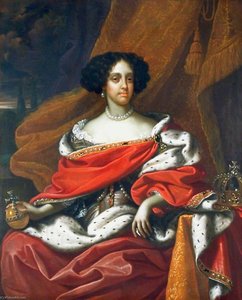
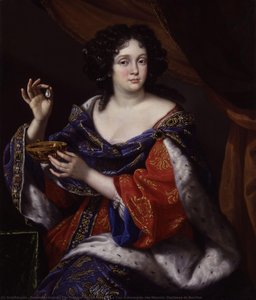
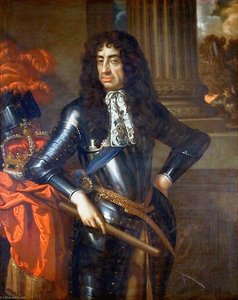
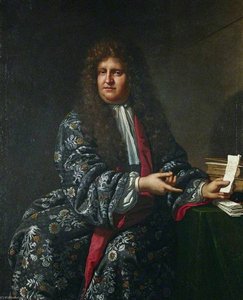
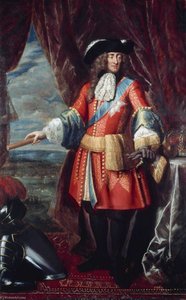
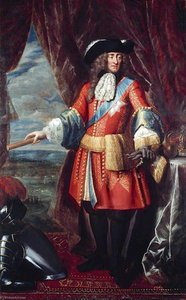
September 1674 witnessed Benedetto’s continuation of his travels, arriving in London where he swiftly cemented his reputation as a court painter for both King Charles II and his successor, James II—a period marked by prolific artistic output and considerable acclaim. Gennari’s portraits captivated the sensibilities of the English monarchy and aristocracy, reflecting not only their physical appearance but also their social standing and psychological complexities. He skillfully captured the grandeur and formality of royal life while simultaneously conveying a sense of human vulnerability and emotion—demonstrating his mastery of portraiture as both art form and expressive medium. Furthermore, Gennari’s involvement in decorating James II’s chapel at Whitehall showcased his ability to synthesize Baroque grandeur with religious symbolism—a testament to his artistic versatility and commitment to serving the cultural aspirations of his patrons.A Synthesis of Tradition & Innovation: The Accademia Clementina & Legacy
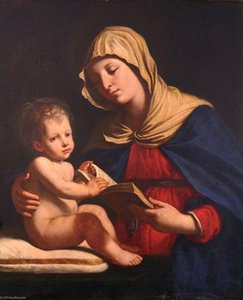
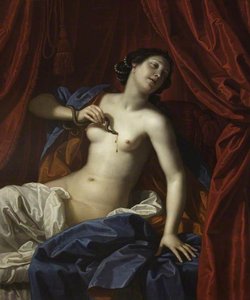
By 1689, Benedetto found himself embroiled in the tumultuous events surrounding James II’s deposition—forced to relocate to Saint-Germain-en-Laye alongside the exiled Jacobite court. Despite this upheaval, Gennari persevered in his artistic endeavors, maintaining connections with influential patrons and continuing to produce works that reflected both Baroque conventions and emerging stylistic trends. In 1709 he joined the ranks of founding members of the Accademia Clementina—an institution dedicated to fostering artistic excellence and promoting innovation within Bologna’s cultural landscape—a decision reflecting Gennari's unwavering belief in the importance of education and collaboration for advancing the art form. His output spanned over 160 paintings, encompassing portraits, mythological scenes, and devotional works—a remarkable testament to his dedication and skill. Benedetto Gennari II remains a compelling figure in Baroque art history—a painter who skillfully blended tradition with innovation, capturing the spirit of his time while establishing himself as one of Bologna’s most celebrated artists. His legacy continues to inspire admiration for his technical prowess and artistic sensitivity—a reminder that true artistry transcends temporal boundaries.Perguntas e Respostas
De onde é Benedetto Gennari (O Jovem)?
Benedetto Gennari (O Jovem) nasceu em Itália.
Em que cidade e país Benedetto Gennari (O Jovem) nasceu?
Benedetto Gennari (O Jovem) nasceu em Cento, em Itália.
Onde e quando nasceu Benedetto Gennari (O Jovem)?
Benedetto Gennari (O Jovem) nasceu em Cento, em 1633.