Mikalojus Konstantinas Čiurlionis

1875 - 1911

Breve Biografia

  • Corpus themes:
    • lithuanian folklore
    • symbolism
    • lithuanian identity
    • symbolist landscape
    • spiritual reflection
  • Museums on APS: Museu Nacional de Arte M. K. Čiurlionis
  • Top-ranked work: Funeral Symphony. VII from the cycle of 7 paintings
  • Works on APS: 173
  • Vibe:
    • místico
    • etéreo
  • Topics explored:
    • symbols
    • sea
    • lithuanian art
    • symbolism
    • mountains
  • Color intensity:
    • vívido
    • equilibrado
  • Best occasions: atmosfera
  • Died: 1911
  • Movements: symbolism
  • Ver mais…
  • Nationality: Lituânia
  • Copyright status: Public domain
  • Born: 1875, Senoji Varėna, Lituânia
  • Emotional tone: misterioso
  • Lifespan: 36 years
  • Art period: Moderno
  • Typical colors:
    • tons terrosos
    • tons escuros
  • Room fit: sala de estar
  • Creative periods: mature period
  • Also known as: Mikołaj Konstanty Czurlanis

Early Life and Artistic Beginnings

Mikalojus Konstantinas Čiurlionis, a luminary of Lithuanian art, was born in 1875 in Šiauliai, Lithuania – a region steeped in history and cultural identity. His early years were shaped by his family’s musical heritage; his father, Konstantinas Čiurlionis, was an organist deeply involved in the local music scene. This environment fostered within young Mikalojus a profound appreciation for both sound and visual aesthetics, laying the foundation for his future artistic endeavors. His formal education commenced in Vilna, where he began to cultivate his nascent passion for art and music, recognizing early on that these disciplines were inextricably linked in his mind. He experienced a shift later in life, embracing his Lithuanian identity after years spent primarily within the Polish cultural sphere, a pivotal moment that profoundly influenced his artistic vision.

Artistic Style and Influences

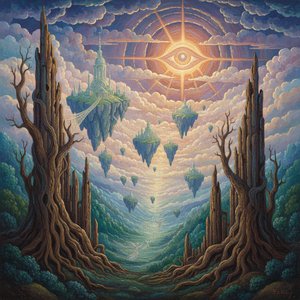
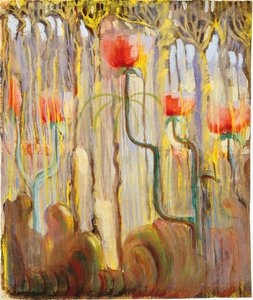
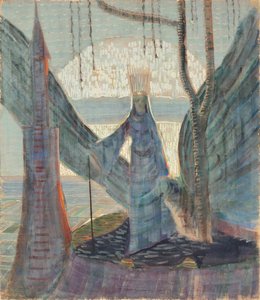
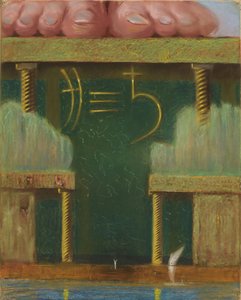
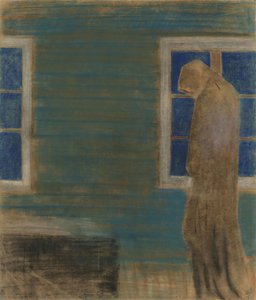
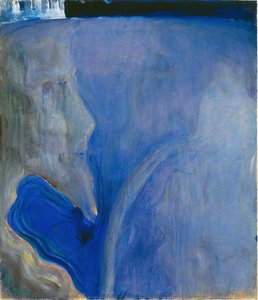
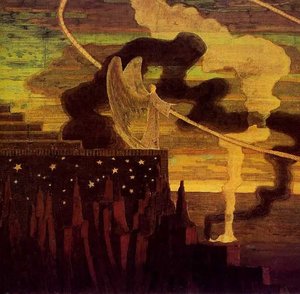
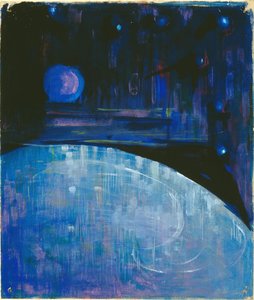
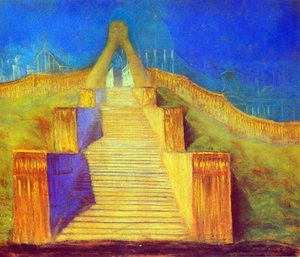
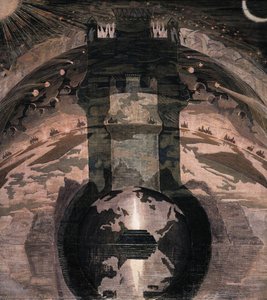
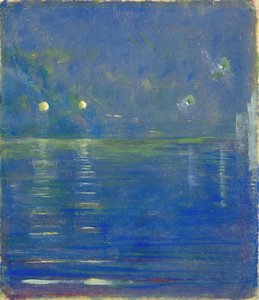
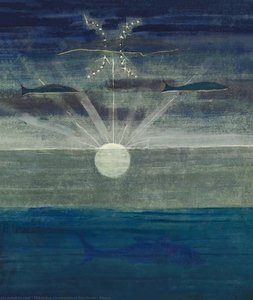
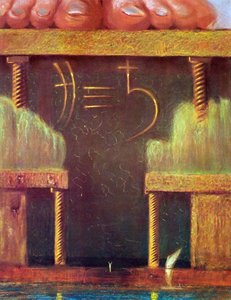
Čiurlionis’s artistic style is characterized by a unique blend of symbolism, impressionism, and elements of Art Nouveau. He eschewed direct representation in favor of evocative imagery—dreamlike landscapes, solitary figures bathed in ethereal light, and an underlying spiritual dimension. His work isn't about depicting reality; it’s about conveying emotion and ideas through subtle suggestion, mirroring the core tenets of Symbolism. Influenced by artists like Antoni Sygietyński, whose use of color and symbolism resonated deeply with Čiurlionis, he developed a distinctive visual language. The composer Zygmunt Noskowski also played a role in shaping his artistic sensibilities, particularly regarding musical structure and harmony, which he sought to translate into his paintings. His deep connection with nature—particularly the forests and waterways of Lithuania—served as a constant source of inspiration, informing his color palettes and compositional choices.

Major Works and Development

Throughout his tragically short life (1911), Čiurlionis produced an astonishing output – approximately 300 paintings and around 250 musical compositions. His most celebrated works include “In the Forest” and “The Sea,” symphonic poems that capture the essence of Lithuanian landscapes and evoke a sense of profound emotion. He meticulously explored the relationship between music and visual art, creating cycles of paintings titled after musical forms – sonatas, preludes, fugues – each reflecting the structure and spirit of its musical counterpart. His artistic development can be traced through distinct periods, notably his early works influenced by Polish Romanticism, followed by a more mature style characterized by bold colors, simplified forms, and an increasingly symbolic approach. The influence of his time spent in Warsaw is evident in some of his earlier pieces, but it’s within the Lithuanian landscape that he truly found his voice.

Museological Significance and Legacy

Mikalojus Konstantinas Čiurlionis's legacy extends far beyond his individual creations. His work has been recognized and celebrated in numerous museums and collections worldwide, including the prestigious M. K. Čiurlionis National Art Museum in Kaunas, Lithuania – a repository of his entire artistic oeuvre. His influence can be seen in contemporary Lithuanian art and culture, serving as an enduring symbol of national identity and artistic innovation. The artist’s exploration of spirituality, nature, and the interconnectedness of art forms continues to resonate with audiences today, cementing his place as one of Lithuania's most important cultural figures. His work is a testament to the power of art to transcend boundaries and evoke profound emotional responses.

Teste de Conhecimentos Artísticos

Cada pergunta possui apenas uma resposta correta.

Questão 1:
Qual foi a nacionalidade de Mikalojus Konstantinas Čiurlionis?
Questão 2:
Em que cidade Čiurlionis passou seus anos formativos estudando música?
Questão 3:
Qual movimento artístico é primordialmente associado a Čiurlionis?
Questão 4:
Quem apoiou os estudos de Čiurlionis em Varsóvia?
Questão 5:
Qual é o nome do museu dedicado à arte de Čiurlionis localizado em Kaunas, Lituânia?


© 2026 mus3ums.com