
AutorretratoPiet Mondrian · 1918
 Óleo
Óleo- Arte de Parede
- Neoplasticism
 1918
1918- Modernismo
 88.0 x 71.0 cm
Piet Mondrian (1872 – 1944)
Mondrian’s Enduring Influence
Piet Mondrian's impact on the art world is immeasurable. He wasn’t simply an artist; he was a visionary who fundamentally altered our understanding of abstraction and its potential for expressing universal truths. His work profoundly influenced countless artists
A Glimpse into Restraint: Piet Mondrian’s “Self Portrait” (1918)
Piet Mondrian's "Self Portrait," painted in 1918, isn’t merely a depiction of the artist; it’s a carefully constructed manifesto rendered in oil on canvas – a profound meditation on self-awareness and the nascent principles that would define his revolutionary Neoplasticist style. Measuring a modest 88 x 71 centimeters, this work transcends the traditional portraiture genre, transforming into an intensely symbolic exploration of abstraction and the very essence of artistic reduction. Immediately, the painting commands attention not through vibrant color or dramatic gesture, but through its deliberate austerity: Mondrian presents himself with a striking seriousness, his features framed by a neatly trimmed mustache and beard, conveying an almost unnerving gravity. This isn’t a casual likeness; it's a considered representation of a man grappling with his artistic identity and the radical shift he was undertaking in his art. The dark suit and tie – attire typical of the time – subtly underscore this intellectual rigor, suggesting a commitment to stripping away superfluous ornamentation from both art and life itself.A Bridge Between Worlds: Post-Impressionism and the Dawn of Abstraction
Mondrian’s “Self Portrait” occupies a fascinating transitional space within the history of art. Born in 1872, he initially trained as a teacher, but his true calling lay in painting, drawing inspiration from the landscapes of the Dutch school and experimenting with Pointillism and Fauvism – movements that sought to break free from traditional representation. However, his encounter with Cubism in Paris proved pivotal. The fractured forms and geometric deconstruction of Picasso and Braque ignited a desire within Mondrian to move beyond imitation and explore pure abstraction. This painting serves as a tangible bridge between these influences; we see echoes of Post-Impressionist color palettes – particularly the subtle blues and greens – alongside the nascent geometric structures that would soon dominate his work. The careful arrangement of lines and rectangles, hinting at the future De Stijl aesthetic, is already present, suggesting a deliberate move towards a visual language based on fundamental elements rather than objective reality. It’s as if he's consciously laying the groundwork for a new way of seeing, feeling, and representing the world.Deconstructing Reality: The Language of Lines and Color
At its core, “Self Portrait” exemplifies Mondrian’s Neoplasticist philosophy – the belief that art should reduce itself to its most essential components: horizontal and vertical lines, primary colors (red, blue, yellow), and their associated black and white. While not fully realized in this particular work, the seeds of this reductive approach are clearly visible. The painting is built upon a grid-like structure, with intersecting lines creating a sense of order and balance. The limited palette – primarily muted tones – further reinforces this emphasis on fundamental elements. It’s important to note that Mondrian wasn't simply eliminating color; he was exploring its inherent properties – the relationships between hues, their interactions, and their capacity to evoke specific emotions. The careful placement of each line and rectangle is not arbitrary; it’s a deliberate act of composition designed to create a harmonious visual experience. The restrained use of color contributes to an atmosphere of quiet contemplation, inviting the viewer to focus on the underlying structure rather than being overwhelmed by surface detail.An Enduring Legacy: Influence and Relevance in the 20th Century
Piet Mondrian's “Self Portrait” stands as a crucial document in the evolution of modern art, profoundly influencing subsequent movements like Bauhaus, Constructivism, and Minimalism. His emphasis on geometric abstraction paved the way for artists to explore new ways of representing space, form, and color. The painting’s influence extends far beyond the realm of fine art, impacting fields such as architecture, graphic design, and even fashion. The principles of Neoplasticism – simplicity, clarity, and a focus on essential elements – continue to resonate today, informing contemporary design practices. Reproductions of this iconic work offer a powerful connection to a pivotal moment in artistic history, allowing viewers to appreciate the intellectual rigor and aesthetic vision of one of the 20th century’s most influential artists. Mus3ums offers meticulously crafted reproductions that faithfully capture the essence of Mondrian's masterpiece, bringing this significant artwork into your home or office with exceptional quality and detail.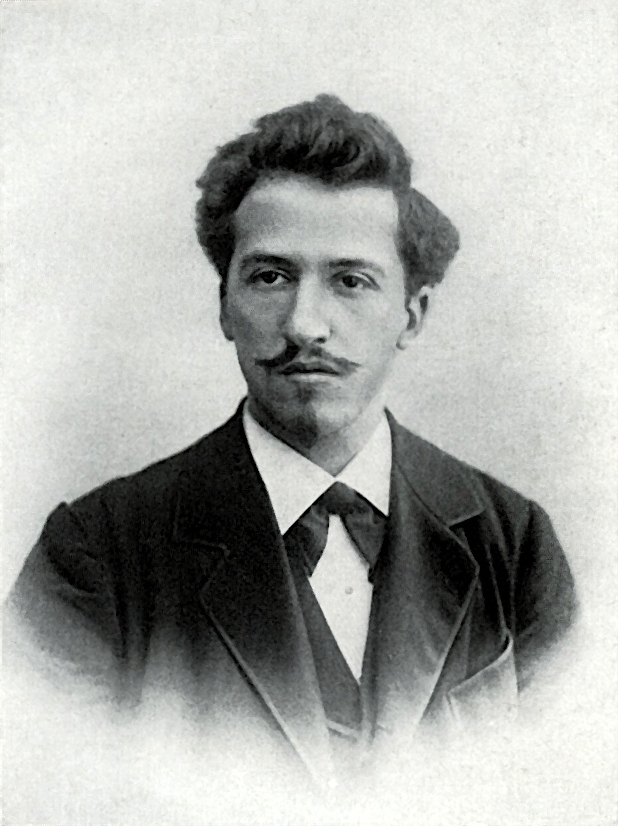
Sobre esta obra
- Título: Autorretrato
- Artista: Piet Mondrian
- Ano: 1918
- Dimensões originais: 88.0 x 71.0 cm
- Formato: Orientação vertical
- Estado dos direitos autorais: Domínio público
- Movimento: Neoplasticism
- Técnica e material: Óleo
- Número de inventário: 0334324
- Contexto do corpus: post-impressionism, essential elements
Informações Rápidas
- Artista: Piet Mondrian
- Elementos: Linhas e formas geométricas
- Dimensões: 88 x 71 cm
- Título: Autorretrato
- Estilo: Abstrato
- Meio: Óleo sobre tela
Perguntas e Respostas
Piet Mondrian, criador(a) de "Autorretrato", é conhecido(a) por outros nomes?
Outros nomes registrados para Piet Mondrian, criador de "Autorretrato", incluem Pieter Cornelis Mondriaan, Mondriaan, Piet Cornelis Mondrian, Piet Cornelies Mondrian.
Que sentimento transmite "Autorretrato", de Piet Mondrian?
"Autorretrato", de Piet Mondrian transmite um sentimento Contemplativo em uma atmosfera geral Serenidade.
Qual cor mais se destaca em "Autorretrato"?
A cor que mais se destaca em "Autorretrato" é Castanho Rosado (#c1b5ad). A cor dominante é útil ao combinar uma obra de arte com um ambiente interno.