



The History and Origins of Lyme Park
Lyme Park is a large estate situated south of Disley in Cheshire, England. The history of the land traces back to 1346, when the estate was granted to Sir Thomas d'Anyers. By 1388, the property passed to the Leghs of Lyme through marriage. In 1398, the land was granted to Piers Legh and his wife, Margaret d'Anyers, by Richard II.
The Legh family maintained possession of the estate for over five centuries. This long tenure lasted until 1946, when the family gave Lyme Park to the National Trust. The estate remains under the management of the National Trust today, preserving the continuity of the site's long-standing lineage.
The Architecture of the Mansion House
The mansion house, the largest in Cheshire, possesses a structural history that spans several centuries. While the core of the building dates from the latter part of the 16th century, its current form reflects a layered evolution of design. It is recorded in the National Heritage List for England as a designated Grade I listed building, a status that acknowledges the significance of its architectural development and the preservation of its historic fabric.
In the 1720s, Giacomo Leoni introduced substantial modifications to the structure. His work at Lyme Park is characterized by a fusion of styles, incorporating elements of both Palladian and Baroque design. This period of transformation added complexity to the existing Elizabethan features, particularly through the development of the courtyard and the south range. The interplay of these styles creates a specific tension between classical order and decorative movement.
The interior and exterior underwent further alterations during the 19th century under the direction of Lewis Wyatt. These later modifications integrated with the earlier Leoni and Elizabethan layers, contributing to the house's multifaceted character. The resulting architecture is a physical record of changing tastes and the continuous adaptation of a grand estate.
The Gardens and the Deer Park
The estate extends into the Peak District National Park, where the landscape shifts from managed greenery to the wilder textures of ancient woodland and moorland. A roughly 1,400-acre deer park surrounds the mansion, providing a vast expanse for the resident medieval herd of red deer. These animals move through the terrain, a presence that has defined the character of the land for centuries.
The formal gardens, developed during the late 19th and early 20th centuries, offer a structured contrast to the surrounding parkland. One finds quietude within the elegant Rose Garden or along the paths of the Ravine Garden. These spaces provide a sense of order amidst the sprawling greenery of the Cheshire estate.
Notable Collections and Historic Items
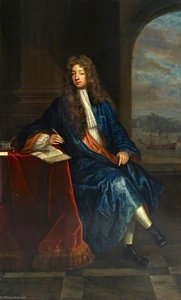
The interior of the house holds fascinating collections of art that reflect the long history of the Legh family. In the Library, the Lyme Caxton Missal remains on display, an early printed book by William Caxton. This liturgical volume is a significant presence among the other historic items held within the estate. The rooms are filled with works that have occupied these spaces for generations, including portraits and paintings that define the character of the house.
The Long Gallery contains a billiards table, a detail that speaks to the domestic life once lived within these walls. Beyond the house, the estate is home to a medieval herd of red deer. These animals move through the deer park, maintaining a connection to the landscape's ancient past. The presence of the herd provides a living element to the estate, existing alongside the curated objects and artworks found inside the mansion.


