A Life Bridging Worlds: The Enigmatic Baron László Mednyánszky
Baron László Mednyánszky, a figure shrouded in intriguing mystery and profound artistic sensitivity, emerged from the fading grandeur of the Austro-Hungarian Empire in 1852. He wasn’t merely a painter; he was a philosopher who translated the complexities of existence onto canvas, an observer deeply attuned to both the breathtaking beauty of nature and the often-overlooked struggles of everyday life. His journey, spanning continents and social strata, reveals a man perpetually caught between worlds – the privilege of his noble lineage and the realities faced by those on the fringes of society, the traditions of Hungary and Slovakia, and the burgeoning currents of modernity. His early years, spent navigating the estates of his family in what is now Slovakia and traversing Europe, instilled within him an unparalleled sensitivity to both the sublime and the sorrowful aspects of human experience – themes that would become central to his artistic vision. Mednyánszky’s formal training was supplemented by a self-directed exploration of cultures and ideas, shaping a unique style characterized by quiet introspection and profound empathy.
An Artistic Journey Forged in Observation
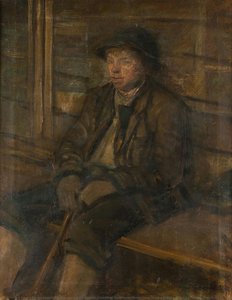
Mednyánszky's artistic development wasn’t dictated by rigid academic doctrines but rather shaped by an intensely personal process of absorption and interpretation. While echoes of Impressionism can be detected in his masterful use of light and atmosphere, and a grounding in realism anchors his depictions of the tangible world, he remained largely independent, forging his own distinctive path. His extensive travels weren’t simply geographical excursions; they were intellectual and emotional voyages that profoundly influenced his perspective. The landscapes surrounding his family estate at Strážky became recurring motifs – not merely picturesque scenery but symbolic representations of belonging, loss, and the enduring connection to one's roots. Yet, he was equally drawn to the lives of those often overlooked by mainstream society: peasants laboring in the fields, individuals weathered by hardship, and marginalized figures whose stories demanded recognition. This empathetic gaze, coupled with a keen philosophical mind, led him to explore themes of existentialism, mortality, and social injustice within his paintings – subjects rarely addressed by artists of his time. He wasn’t interested in simply *representing* reality; he sought to unveil its underlying truths, the quiet melancholy inherent in existence, and the understated dignity found even amidst suffering.
Themes and Techniques: A Palette of Emotion
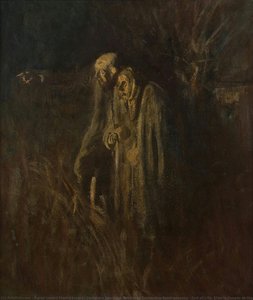
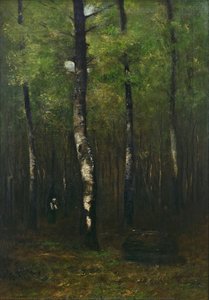
The art of Baron László Mednyánszky is defined by a distinctive blend of styles and subject matter. Landscapes, portraits, and scenes drawn from Upper Hungarian/Slovak folklore form the core of his oeuvre, often imbued with a sense of poignant nostalgia. He possessed an exceptional ability to convey intense emotion through color and composition – vividly demonstrated in works like *Flaming Landscape*, where fiery hues seem to mirror inner turmoil. Yet, even within moments of dramatic intensity, a restraint prevails; his paintings rarely boast bombast but instead rely on subtle nuances and atmospheric effects. His brushwork is expressive, sometimes loose and gestural, at other times meticulously detailed, reflecting the emotional weight of his subject matter. *The River Poprad at Strážky* exemplifies this approach, capturing not just the physical beauty of his homeland but also a sense of tranquility tinged with longing. Perhaps most powerfully, works like *End of Life. Elderly Couple at Night* offer deeply moving depictions of human vulnerability and mortality, rendered with remarkable sensitivity and compassion. He frequently employed muted color palettes – dominated by grays, browns, and ochres – creating an atmosphere of quiet contemplation. Influences from Symbolism are evident in his use of evocative imagery and the exploration of psychological states.
Notable Works & Historical Context
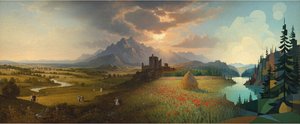
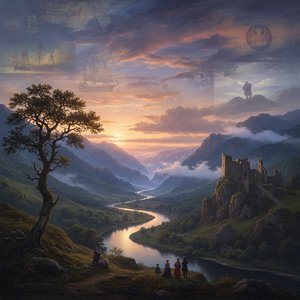
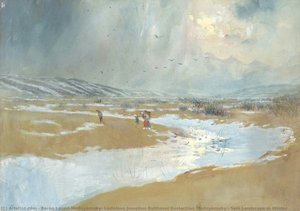
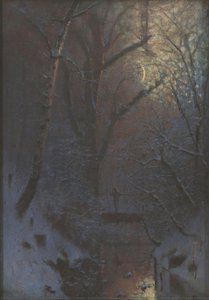
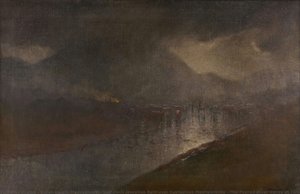
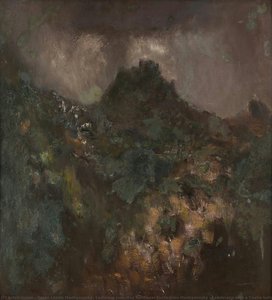
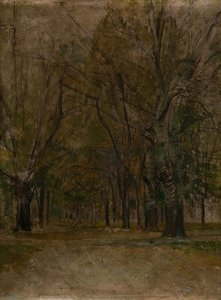
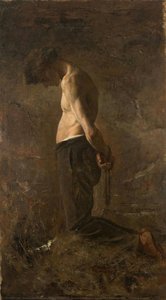
Mednyánszky’s artistic output reflects both a deep connection to his Hungarian-Slovak heritage and a broader engagement with European artistic trends. His paintings often depict scenes of rural life, capturing the dignity and resilience of peasant communities – a subject increasingly explored by artists during this period of social change. His work *Prisoners Marching Off*, created during World War I, stands as a particularly powerful testament to his empathy and his willingness to confront difficult realities. During the conflict, he served as a war correspondent, documenting the horrors of the front lines with unflinching honesty. His artistic output was significantly shaped by his experiences in this tumultuous era, reflecting both the devastation and the enduring spirit of humanity. His legacy is further cemented by works like *Winter Night*, which evokes a sense of solitude and introspection through its atmospheric rendering of a winter landscape, and *Landscape with a Castle before a Storm*, a dramatic portrayal of nature’s power rendered in a Romantic style. His paintings are now housed in prestigious collections such as the Slovak National Gallery and the Hungarian National Gallery, ensuring that his artistic vision continues to be appreciated by generations to come.
Legacy and Rediscovery: An Artist for His Time and Ours
Despite not achieving widespread fame during his lifetime – largely due to his unconventional lifestyle and refusal to conform to prevailing artistic norms – Baron László Mednyánszky is now recognized as a significant figure in Hungarian art history. His unique vision, blending philosophical depth with artistic skill, set him apart from his contemporaries. He challenged conventional expectations by focusing on the lives of ordinary people and confronting difficult social issues. His work offers invaluable insights into the cultural and societal landscape of late 19th-century Hungary and Slovakia – a period marked by profound transformation and uncertainty. His paintings resonate with audiences today because they speak to universal human experiences: love, loss, suffering, and the persistent search for meaning in a complex world. He remains an enigmatic figure, whose art invites contemplation and reflection, prompting us to look beyond the surface of things and consider the deeper truths that lie within. His legacy continues to grow as scholars and art enthusiasts increasingly discover the power and beauty of his work, ensuring that this remarkable artist will be remembered for generations to come.