Mikalojus Konstantinas Čiurlionis

1875 - 1911

Informații esențiale

  • Corpus themes:
    • lithuanian folklore
    • symbolism
    • lithuanian identity
    • symbolist landscape
    • spiritual reflection
  • Museums on APS: Muzeul Național de Artă M. K. Čiurlionis
  • Top-ranked work: Funeral Symphony. VII from the cycle of 7 paintings
  • Works on APS: 173
  • Vibe:
    • mistic
    • eteric
  • Topics explored:
    • symbols
    • sea
    • lithuanian art
    • symbolism
    • mountains
  • Color intensity:
    • vibrant
    • echilibrat
  • Best occasions: stare de spirit
  • Died: 1911
  • Movements: symbolism
  • Mai multe…
  • Nationality: Lituania
  • Copyright status: Public domain
  • Born: 1875, Senova Varėna, Lituania
  • Emotional tone: misterios
  • Lifespan: 36 years
  • Art period: Modern
  • Typical colors:
    • tonalități pământii
    • nuanțe închise
  • Room fit: living room
  • Creative periods: mature period
  • Also known as: Mikołaj Konstanty Czurlanis

Early Life and Artistic Beginnings

Mikalojus Konstantinas Čiurlionis, a luminary of Lithuanian art, was born in 1875 in Šiauliai, a city steeped in history and cultural significance. His early years were shaped by his family’s heritage – his mother, Adelė Radmanaitė, descended from a Lutheran family of Bavarian origin, while his father, Konstantinas Čiurlionis, was an organist and choirmaster who had briefly served in the orchestra of Prince Michał Oginski in Druskininkai. This confluence of influences—music, heritage, and a vibrant artistic environment—laid the foundation for his future creative endeavors. His formative education took place primarily in Vilno, where he developed a deep fascination with both music and visual arts, a duality that would profoundly inform his unique artistic vision. It was here that the seeds of his distinctive style began to germinate, hinting at the evocative landscapes and spiritual themes that would characterize his later work.

Artistic Style and Influences

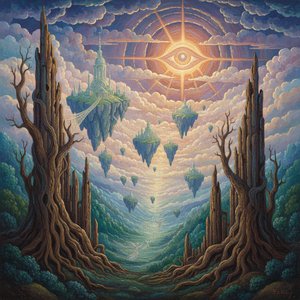
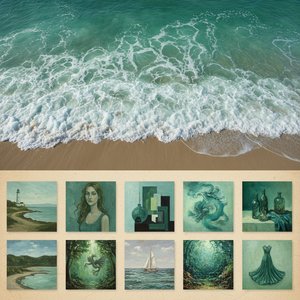
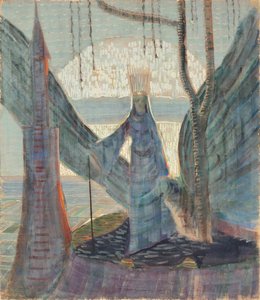
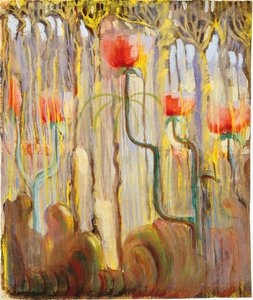
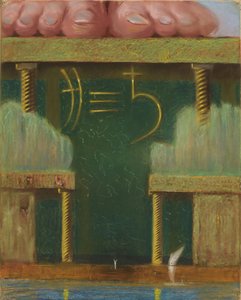
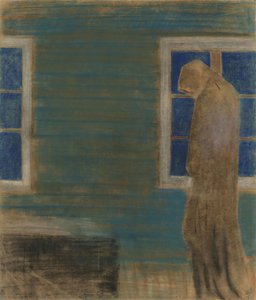
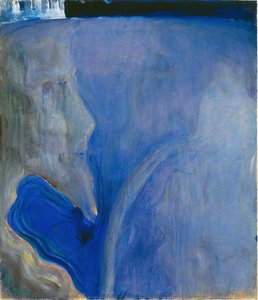
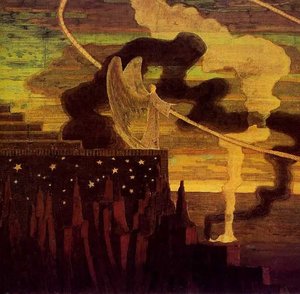
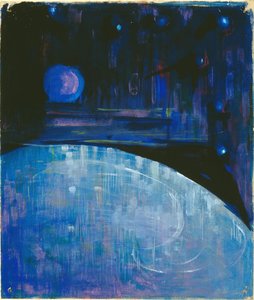
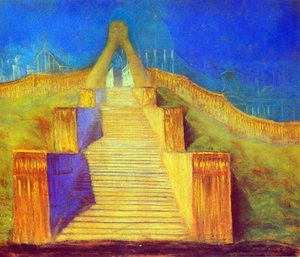
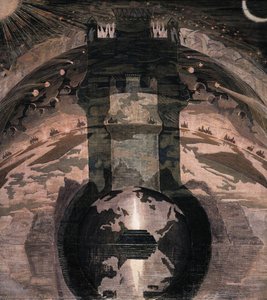
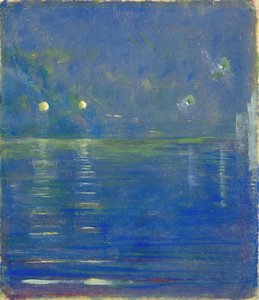
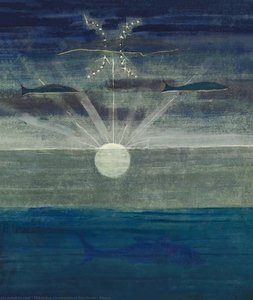
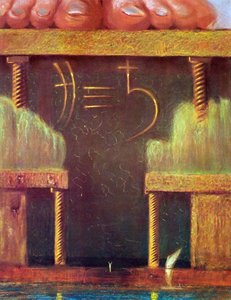
Čiurlionis’s artistic style is deeply rooted in Symbolism, a movement that sought to transcend mere representation and delve into the realm of emotions, ideas, and the subconscious. Rather than depicting reality directly, he employed subtle suggestions, evocative colors, and symbolic imagery to create works brimming with atmosphere and spiritual resonance. His paintings often feature dreamy landscapes—vast forests bathed in ethereal light, shimmering seas under starlit skies—and figures that seem suspended between the tangible and the intangible. He was profoundly influenced by music, believing that color could embody sound and vice versa. This synesthetic approach is evident in his symphonic poems, “In the Forest” and “The Sea,” which attempt to translate musical structures into visual forms. The works of Antoni Sygietyński and Zygmunt Noskowski, prominent figures within Lithuanian Symbolism, also exerted a subtle but discernible influence on Čiurlionis’s artistic development.

Notable Works and Techniques

Čiurlionis's oeuvre is remarkably diverse, encompassing paintings, watercolors, drawings, musical compositions, and literary works. Among his most celebrated pieces are “In the Forest,” a monumental work that captures the majesty and mystery of the Lithuanian wilderness; "The Sea," which evokes the boundless expanse and power of the ocean; and “Cancer,” a hauntingly beautiful depiction of a dying star—a poignant metaphor for life’s fleeting nature. He employed a distinctive technique characterized by loose brushstrokes, vibrant color palettes, and an emphasis on capturing light and atmosphere. His use of color was particularly innovative, often employing complementary hues to create dynamic visual effects and conveying complex emotions through subtle shifts in tone. The artist's meticulous attention to detail, combined with his expressive approach, resulted in works that are both visually stunning and deeply evocative.

Museological Significance and Legacy

Mikalojus Konstantinas Čiurlionis’s contributions extend far beyond the individual artworks he created. He played a crucial role in establishing Symbolism as a distinct artistic movement within Lithuania, inspiring generations of artists and shaping the nation's cultural identity. His works are now housed primarily at the M. K. Čiurlionis National Art Museum in Kaunas, a testament to his enduring legacy. Furthermore, his influence can be observed in various museums and collections across Europe and beyond, offering visitors a glimpse into the artist’s visionary world. The museum itself serves as a vital center for research and education, ensuring that Čiurlionis's artistic achievements are preserved and celebrated for future generations. His work continues to resonate with audiences today, demonstrating his timeless appeal and profound impact on the history of art.

Conclusion

Mikalojus Konstantinas Čiurlionis remains an enigmatic yet profoundly influential figure in Lithuanian and European art history. His unique blend of Symbolism, music, and nature resulted in a body of work that is both deeply personal and universally resonant. Through his evocative landscapes, spiritual themes, and innovative techniques, he left an indelible mark on the artistic landscape, inspiring countless artists and captivating viewers with his ability to capture the essence of beauty, mystery, and the human condition. Exploring his art offers a journey into the heart of Lithuanian culture and a profound meditation on the interconnectedness of all things.

Chestionar de artă

Fiecare întrebare are un singur răspuns corect.

Întrebare 1:
Care a fost naționalitatea lui Mikalojus Konstantinas Čiurlionis?
Întrebare 2:
Unde a petrecut Čiurlionis primii săi ani studiind muzică?
Întrebare 3:
Care este mișcarea artistică cu care este asociat în principal Čiurlionis?
Întrebare 4:
Care a fost numele prințului care a sprijinit studiile lui Čiurlionis în Varșovia?
Întrebare 5:
Care este numele muzeului dedicat artei lui Čiurlionis, situat în Kaunas, Lituania?


© 2026 mus3ums.com