A Journey Through Time: The Cathedral of Santa Maria, Montagnana
Discover a hidden gem in the Veneto region – the magnificent Cathedral of Santa Maria in Montagnana. This architectural masterpiece offers a captivating glimpse into Italy’s artistic and religious heritage, inviting visitors to explore its layered history and breathtaking artistry. Located in the charming town of Montagnana, this cathedral stands as a testament to centuries of faith and creative endeavor.
History & Architecture:
Dating back to the 1400s, the cathedral’s design embodies the evolving architectural tastes of its era. Initially conceived as a central place of worship for the Montagnanese community, it skillfully blends Gothic and Renaissance styles—a harmonious fusion reflecting the broader artistic currents of the period. The cathedral's foundations are rooted in Romanesque traditions, yet it swiftly embraced the grandeur and elegance characteristic of the Renaissance, resulting in a truly remarkable blend of influences. Architects meticulously planned every detail to honor God and inspire awe among worshippers.
Collection Highlights:
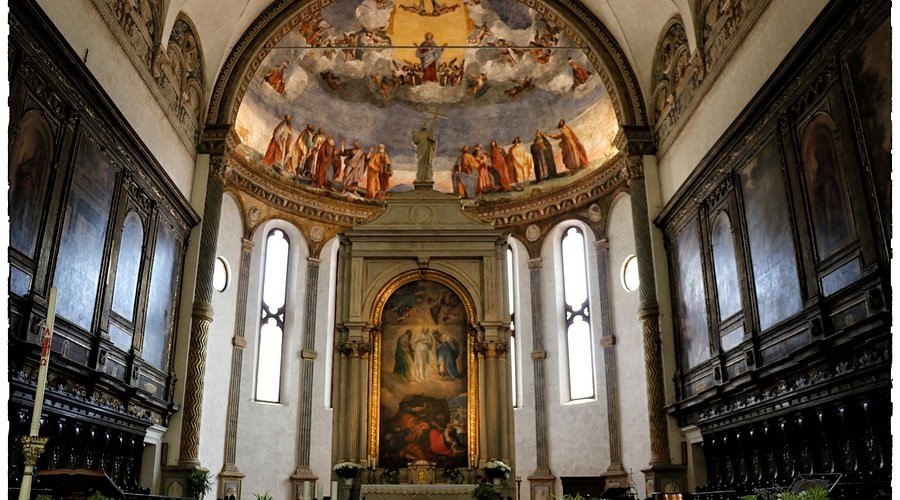
The cathedral’s fame rests primarily on its stunning frescoes, which adorn the interior walls and ceilings. These vibrant artworks depict religious narratives with remarkable detail, providing invaluable insights into medieval and Renaissance artistic techniques. Among these masterpieces are works by Paolo Veronese and Giorgione, showcasing exceptional skill and vision. Veronese's monumental panels narrate biblical stories with masterful composition and luminous color palettes—a testament to the Venetian Renaissance’s artistic prowess. Giorgione’s frescoes explore themes of human emotion and spirituality, utilizing subtle shading and atmospheric perspective to create an unforgettable visual experience. These artworks are considered cornerstones of Venetian art history and continue to inspire admiration for generations.
Notable Exhibitions:
Over the years, the Cathedral has hosted several significant exhibitions focusing on Venetian art history and religious iconography. These events have drawn scholars and enthusiasts alike, furthering appreciation for Montagnana’s cultural significance. Researchers from across Europe have studied the cathedral's frescoes, analyzing pigments, brushstrokes, and compositional strategies to reconstruct the artistic context of their creation. Furthermore, these exhibitions have fostered dialogue between artists and historians, enriching our understanding of the Renaissance period.
Architectural Features:
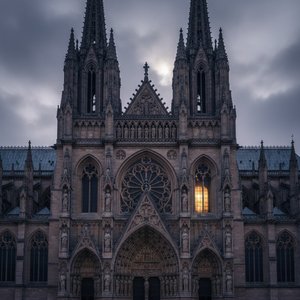
Admire the cathedral’s Gothic pointed arches juxtaposed with Renaissance classical elements—a deliberate stylistic choice that underscores the cathedral's chronological progression. The central nave is particularly impressive, featuring soaring ceilings and stained glass windows that bathe the interior in ethereal light. These windows depict scenes from biblical stories, enhancing the spiritual atmosphere of the cathedral and illuminating the intricate carvings adorning its walls. The cathedral’s façade embodies a harmonious blend of Gothic grandeur and Renaissance refinement—a visual reminder of Montagnana's artistic heritage.
Symbolism & Artistic Technique:
Consider the symbolism embedded within the frescoes themselves. Artists meticulously crafted scenes to convey spiritual messages, utilizing techniques such as glazing and tempera paint—methods perfected during the Renaissance period—to achieve unparalleled luminosity and color fidelity. The use of glazing creates a shimmering effect on the surface of the paint, maximizing its brilliance and capturing the subtleties of light and shadow. Tempera paint, known for its durability and vibrant colors, ensures that these frescoes endure through time, preserving their artistic beauty for future generations.
Planning your visit allows you to immerse yourself in Montagnana’s rich cultural tapestry. Explore the town's historic square, Palazzo Valeri and Palazzo Magnavin-Foratti, which complement the cathedral’s grandeur. Don’t miss the chance to witness the midday sunbeams illuminating the two alabaster balls atop the façade—a spectacle that embodies the cathedral’s enduring beauty. Opening hours vary seasonally; check the Cathedral's official website for current schedules. Guided tours are available, providing valuable context and enhancing your understanding of Montagnana’s artistic heritage. The Cathedral of Santa Maria in Montagnana isn't merely a building; it’s a tangible connection to Italy’s past—a destination that inspires contemplation and celebrates the enduring power of art to communicate faith and beauty across generations.