

A Tapestry of Time: Exploring the Museum of Fine Arts, Houston
The Museum of Fine Arts, Houston – a name that resonates with both artistic grandeur and the vibrant spirit of its city – is far more than simply a repository for beautiful objects. It’s an unfolding narrative, a dynamic dialogue spanning millennia and continents, meticulously woven together within three stunning buildings. Founded in 1900 as an art school and modest gallery, the MFAH has evolved into one of the largest and most comprehensive art museums in the United States, a testament to Houston's own remarkable growth and its commitment to celebrating global artistic heritage. Stepping through its doors is akin to embarking on a profound journey – a voyage tracing the very essence of human creativity, from the enigmatic symbols of ancient civilizations to the bold explorations of contemporary expression. The museum doesn’t merely *display* art; it invites contemplation, fosters understanding, and ignites inspiration within each visitor, offering an experience that lingers long after leaving its hallowed halls.
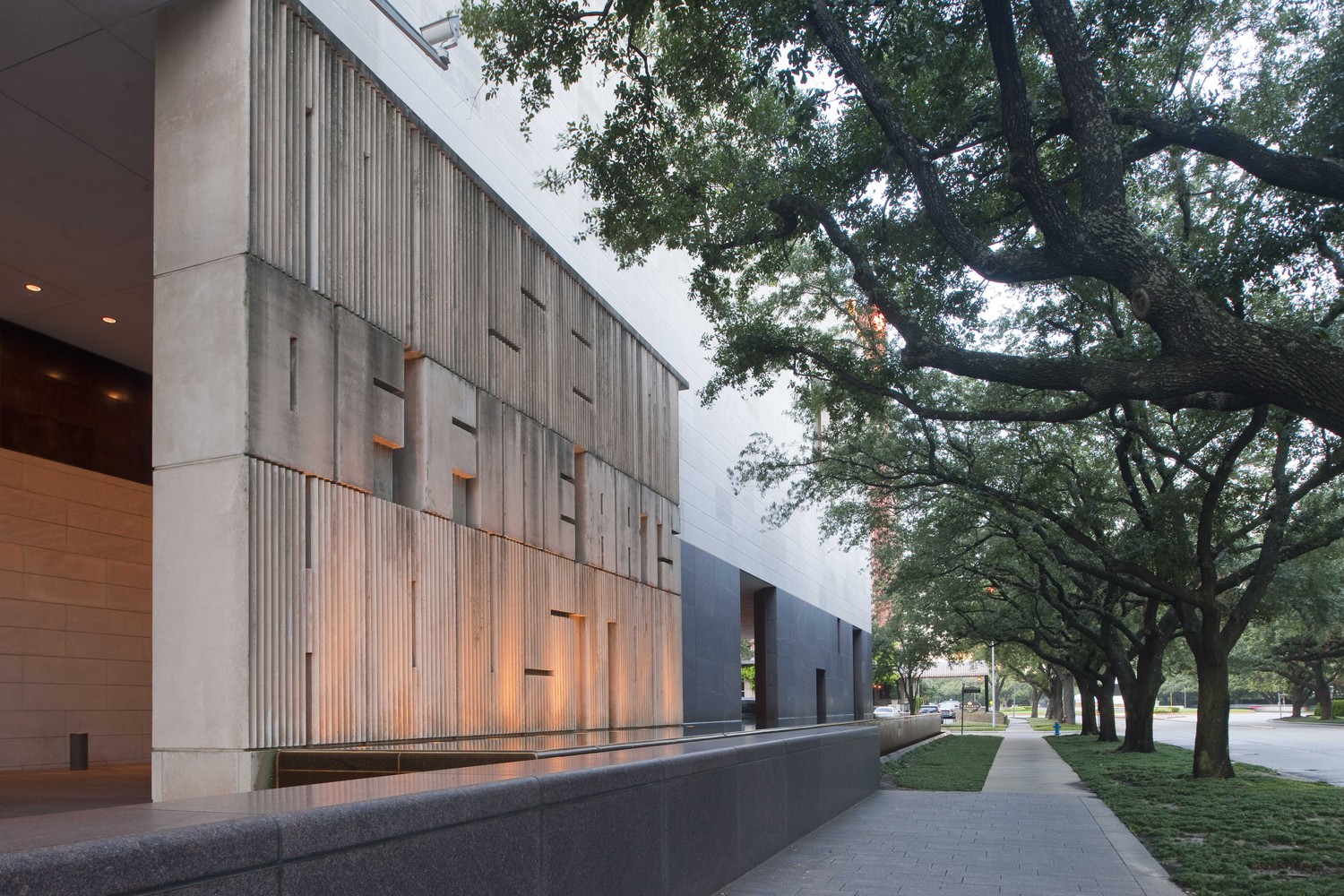
The architectural heart of the MFAH is a captivating story in itself. The original Caroline Wiess Law Building stands as a proud anchor to the past, a stately neo-classical edifice exuding timeless elegance – a deliberate echo of European artistic traditions. This building, conceived with a profound respect for classical forms, immediately establishes a sense of gravitas and historical connection. Yet, this building was never intended to be static. Recognizing the need for expansion and innovation, the museum embraced a bold vision, culminating in the groundbreaking designs of Ludwig Mies van der Rohe. His Audrey Jones Beck Building, with its sleek lines and minimalist aesthetic, represents a seamless integration of historical reverence and forward-thinking design, creating a striking counterpoint to the Law Building’s formality – a dialogue between past and future that is both visually arresting and intellectually stimulating. Most recently, Steven Holl Architects has gifted the Nancy and Rich Kinder Building, a breathtaking creation that dramatically expands the museum's capacity while simultaneously fostering an immersive environment for post-1900 art – incorporating lush gardens and inviting public spaces that blur the boundaries between interior and exterior. Each building isn’t just a container *for* art; it is an artwork in itself, enhancing the overall experience and enriching the visitor’s connection to the pieces within. The interplay of these architectural styles speaks volumes about the MFAH’s commitment to both preserving the past and embracing the future – a harmonious blend of tradition and innovation.
A World Within Walls: Collection Highlights
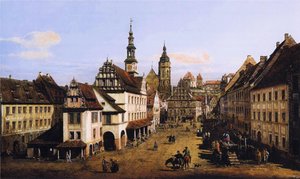
The sheer breadth of the MFAH's collection is simply astonishing, a breathtaking testament to its dedication to showcasing art from across the globe. A deep dive into European painting reveals a rich panorama spanning centuries – from the Renaissance masters whose works whisper tales of faith and humanism, to the luminous canvases of Impressionist and Post-Impressionist giants that capture fleeting moments of light and color. The museum’s collection isn't limited to Europe, however; it boasts an extraordinary global reach. The Asian art holdings are particularly remarkable, encompassing ceramics imbued with centuries of tradition, bronzes echoing ancient rituals, paintings revealing philosophical depths, and sculptures embodying spiritual grace – a diverse tapestry reflecting cultures spanning from Japan to India. Imagine yourself transported to the serene gardens of Kyoto as you gaze upon meticulously crafted porcelain or contemplate the profound symbolism embedded within a bronze Buddha statue. A truly singular treasure is the Glassell Collection—the world’s largest assemblage of African gold artifacts. These exquisite pieces, shimmering with stories of kingdoms and beliefs long past, offer a captivating glimpse into the artistry, spirituality, and cultural significance of these precious materials. The vibrant hues and intricate patterns of Indian textiles further demonstrate the MFAH's commitment to showcasing art forms often overlooked in Western collections – from the elaborate Mughal miniatures to the richly embroidered Rajasthani shawls. And for those seeking the pulse of contemporary creativity, rotating exhibitions feature works by both emerging and established artists pushing the boundaries of artistic expression, challenging perceptions and sparking dialogue.
Echoes of History: The Museum’s Evolution
The story of the MFAH is inextricably linked to the evolution of Houston itself. Founded in 1900, it initially served as an art school, nurturing a generation of artists and fostering a love for creativity within the burgeoning city. Early exhibitions focused primarily on European masters, reflecting the tastes of the time and establishing a foundation for future collections – a period marked by a strong emphasis on classical sculpture and Renaissance paintings. However, recognizing the importance of diversifying its offerings, the museum began to actively acquire works from across the globe – from ancient Egyptian artifacts that hint at forgotten pharaohs to African sculptures that embody ancestral wisdom, from Japanese prints capturing fleeting moments of beauty to Latin American paintings bursting with vibrant color. The arrival of Ludwig Mies van der Rohe in the 1950s marked a pivotal moment, ushering in an era of architectural innovation and transforming the museum’s physical landscape. His designs not only expanded the museum's capacity but also signaled a commitment to embracing modernism and pushing the boundaries of artistic expression. Throughout its history, the MFAH has remained committed to education and community engagement, offering a wide range of programs for visitors of all ages – from family-friendly activities that spark curiosity in young minds to scholarly lectures that delve into the complexities of art history and engaging tours that bring the collection to life.
Beyond the Canvas: Education and Community Engagement
The MFAH’s dedication extends far beyond simply preserving and exhibiting art; it is deeply committed to education and community engagement, believing that art should be accessible to all. A robust program of tours designed for every level of understanding, workshops fostering creative exploration, lectures illuminating artistic context, and family activities sparking imagination ensures that visitors of every age and background can connect with the collection on a meaningful level. The museum actively partners with local schools and organizations, nurturing a lifelong appreciation for art within the Houston community. The Nancy and Rich Kinder Building, in particular, exemplifies this commitment to inclusivity, offering expansive public spaces designed to be welcoming to all visitors – a testament to the belief that art belongs to everyone. The museum’s dedication to accessibility is evident in its range of programs and services, ensuring that everyone can experience the transformative power of art. It's this holistic approach – a blend of artistic excellence, educational outreach, and community engagement – that truly sets the MFAH apart, solidifying its position as a cornerstone of Houston’s vibrant cultural identity and a beacon for art lovers worldwide.