A Beacon of American Vision: The Whitney Museum of American Art
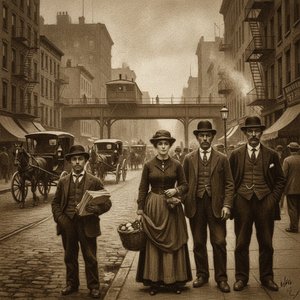
The story of the Whitney Museum of American Art is inextricably linked to a profound act of faith—the unwavering conviction of Gertrude Vanderbilt Whitney that American art deserved its own dedicated space, a sanctuary where its unique voice could be nurtured and celebrated without compromise. In the early decades of the 20th century, as European modernism exerted an undeniable influence across the Atlantic, Whitney possessed a remarkable foresight: she recognized within the United States a vibrant, burgeoning artistic spirit, often overlooked by institutions primarily focused on European masters. Her initial efforts, manifested through the establishment of the Whitney Studio and Club, served as a crucial lifeline for artists operating outside the established mainstream—the Ashcan School painters, with their unflinching portrayals of gritty urban realities, and the pioneering abstract expressionists forging entirely new visual languages. When her generous offer to display works within the Metropolitan Museum of Art was politely declined, it wasn’t a rejection that fueled her determination, but rather a clear, insistent call to create an institution singularly devoted to championing and showcasing American artistic expression in all its diverse forms. Thus, in 1930, the Whitney Museum of American Art came into being, initially finding a humble home within converted row houses on West 8th Street in Greenwich Village—a modest beginning for what would soon evolve into one of New York City’s most treasured cultural landmarks.
-
A Collection Rooted in National Identity:
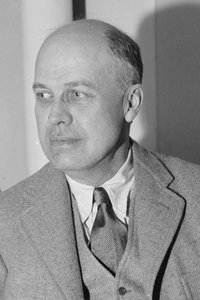
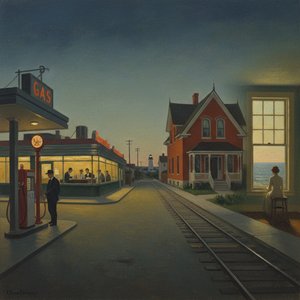
The Whitney's collection isn’t merely a static assemblage of artworks; it’s a dynamic chronicle, a living testament to the evolving identity of America itself. From the stark realism of Edward Hopper’s iconic urban landscapes—capturing moments of solitude and quiet contemplation—to the bold, unapologetic abstractions of Georgia O’Keeffe’s desert blooms and monumental forms, the museum offers an unparalleled survey spanning the breadth of 20th- and 21st-century American art. You'll find powerful works by Jackson Pollock, whose drip paintings revolutionized abstract expressionism; the vibrant Pop Art provocations of Andy Warhol, challenging notions of beauty and consumer culture; and contemporary artists pushing boundaries with innovative media and perspectives. The collection is a rich tapestry woven from diverse voices and experiences, reflecting the complexities and contradictions of the American narrative.
-
The Biennial as a Cultural Barometer:
Perhaps no single initiative more profoundly defines the Whitney’s influence than its annual exhibition, the Whitney Biennial. Established in 1932, this recurring event has consistently served as a vital pulse point for contemporary art, acting as a launchpad for emerging talents and simultaneously challenging conventional definitions of artistic practice. It's a space where dialogues ignite, boundaries are pushed, and often, the future trajectory of American art is glimpsed—a bold statement of what’s possible and a reflection of the prevailing cultural currents.
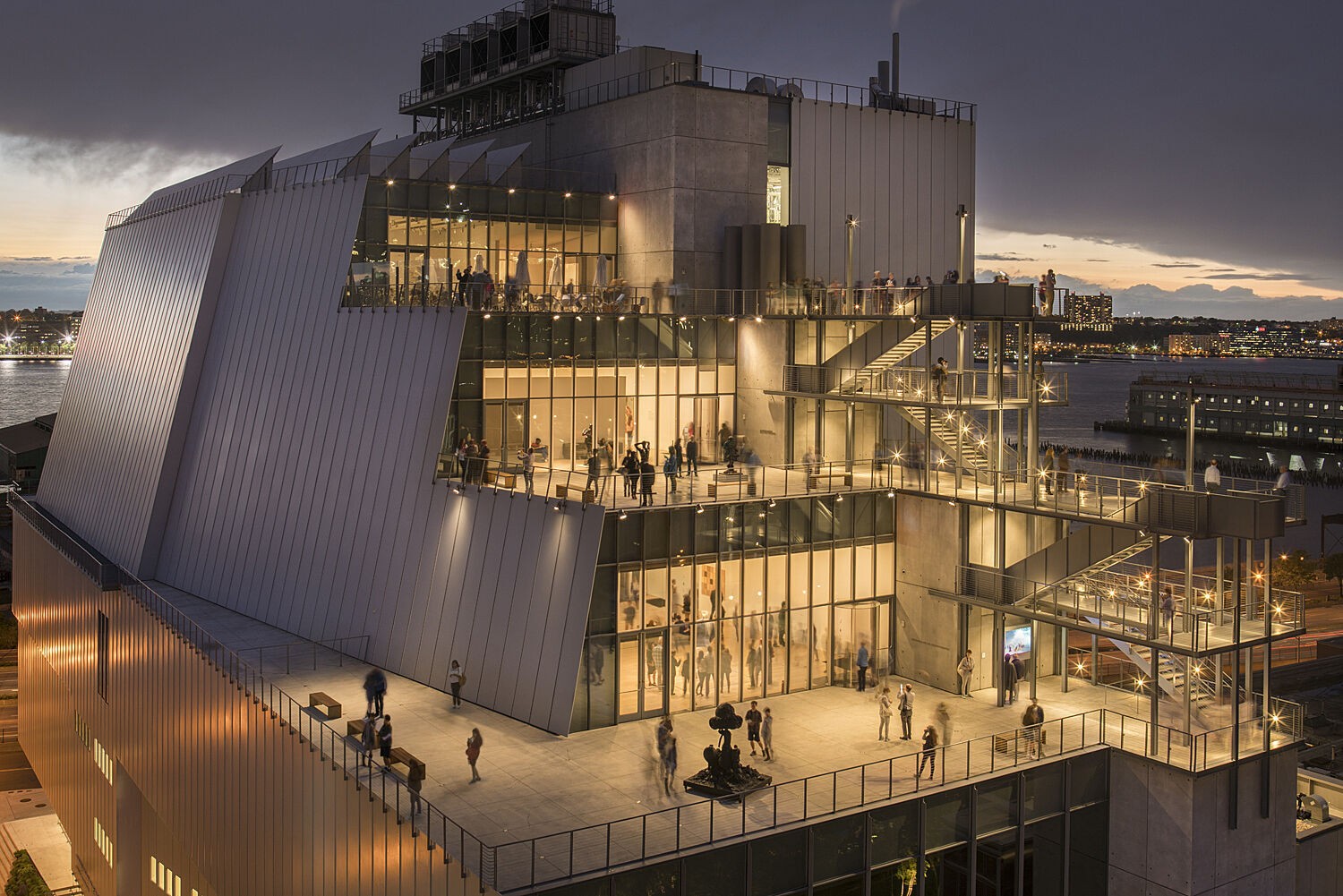
For decades, the Whitney resided at 945 Madison Avenue, housed within a strikingly modern building designed by the renowned architect Marcel Breuer. This Brutalist structure, while undeniably significant in its architectural merit, ultimately proved to be a limiting space for an institution with ever-expanding ambitions and a desire to fully embrace the dynamism of contemporary art. The momentous move downtown to Gansevoort Street in 2015 marked not just a change of address, but a transformative moment—a bold declaration of intent and a commitment to a new chapter in the museum’s history. Designed by the celebrated Italian architect Renzo Piano, the current building is a breathtaking masterpiece of spatial fluidity and natural light, a testament to his signature style. The expansive terraces overlooking the Hudson River and the vibrant Meatpacking District seamlessly connect the art within to the energetic pulse of the city outside, blurring the lines between the museum’s interior world and the surrounding urban landscape. Piano's vision wasn’t simply to construct a container for art; he sought to craft an environment that actively enhances the viewing experience, encouraging visitors to linger, reflect deeply, and forge a genuine connection with the artworks on display. The galleries are bathed in soft, diffused light, allowing the colors and textures of each piece to come alive—a carefully orchestrated interplay designed to heighten emotional engagement.
The building’s design prioritizes flexibility, enabling dynamic exhibition layouts that respond intuitively to the evolving needs of contemporary art.
A Legacy of Innovation and Community Engagement
Beyond its impressive permanent collection and landmark exhibitions, the Whitney is deeply committed to fostering a vibrant ecosystem of artistic growth and engagement. The museum recognizes that art isn’t confined within walls; it thrives through dialogue, education, and connection with the broader community. Family programs—interactive workshops, engaging tours designed for young minds, and at-home artmaking challenges—ensure that art remains accessible and inspiring for audiences of all ages. The Independent Study Program provides a nurturing environment for emerging artists, critics, and curators to hone their voices, develop critical thinking skills, and explore new creative avenues. Furthermore, the Whitney’s dedication extends beyond mere exhibition opportunities; it actively supports artists through grants, residencies, and mentorship programs—solidifying its role as a true champion of American artistic expression.
The Architectural Marvel
The building itself is an integral part of the Whitney experience. Renzo Piano's design skillfully balances functionality with aesthetic beauty, creating a space that feels both grand and inviting. The use of natural light is particularly noteworthy, flooding the galleries with warmth and illuminating the artworks in all their detail. The terraces offer breathtaking panoramic views of the Hudson River, providing a unique vantage point for appreciating the city’s skyline and fostering a sense of connection to the surrounding environment. The building's materials—a combination of concrete, glass, and steel—reflect the museum’s commitment to both durability and innovation, creating a structure that is as visually striking as it is structurally sound.
Exploring the Whitney Today
Today, the Whitney Museum stands as more than just a repository of artistic achievement; it's a living, breathing organism, constantly evolving and adapting to the ever-changing landscape of American art. It’s a place where groundbreaking works are celebrated, challenging conventions and sparking conversations—a testament to Gertrude Vanderbilt Whitney’s enduring vision: a space where American artists are empowered to shape the cultural conversation for generations to come. Don't miss the opportunity to experience this remarkable institution firsthand – a journey into the heart of American creativity.