Agnolo Bronzino: Florentine Master of Reserved Elegance
Agnolo di Cosimo, known to history as Bronzino, emerged from the vibrant artistic landscape of Renaissance Florence in 1503, a period already brimming with genius. Born the son of a butcher, his path diverged sharply from familial trade, guided instead by an innate talent that would see him become one of the most sought-after portraitists of his era and a defining figure of Mannerism. His early training began with Raffaellino del Garbo, but it was under the tutelage of Jacopo da Pontormo that Bronzino’s artistic sensibilities truly took shape. While absorbing Pontormo's innovative style—characterized by expressive emotion and dynamic movement—he ultimately forged his own distinct voice—one characterized by a cool composure and refined detail markedly different from his teacher’s often emotionally charged works. This early period was also influenced by studies with Andrea del Sarto, exposing him to the legacies of Michelangelo and Leonardo da Vinci, foundational influences that would subtly permeate his mature style. The young Bronzino quickly demonstrated an aptitude for capturing not just physical likeness but a certain psychological depth, even in his earliest commissions.Early Influences and Artistic Formation
Bronzino’s formative years were marked by exposure to the artistic currents of Florence under Pontormo's guidance. Pontormo’s distinctive style—marked by elongated figures, swirling draperies, and an unsettling blend of realism and abstraction—challenged conventional notions of beauty and representation. Bronzino absorbed these lessons diligently, adapting Pontormo’s expressive techniques to his own artistic vision. Simultaneously, he studied the monumental sculptures of Michelangelo and Leonardo da Vinci, absorbing their mastery of anatomy and perspective. These influences instilled in him a profound appreciation for technical precision and intellectual rigor—qualities that would become hallmarks of his oeuvre. His early portraits showcased an uncanny ability to convey inner states through subtle gestures and facial expressions, demonstrating a sensitivity to psychological nuance rarely found among artists of his time.Ascension at the Medici Court: Patronage and Artistic Output
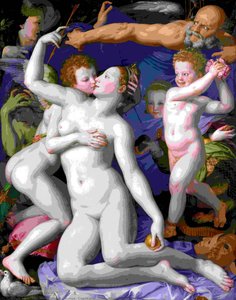
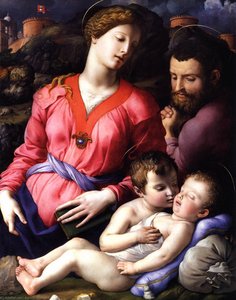
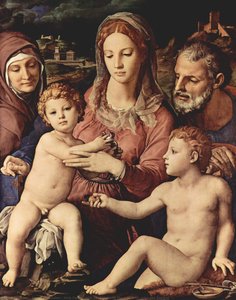
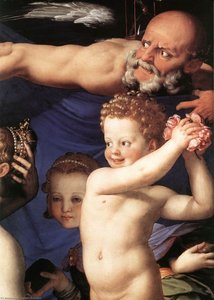
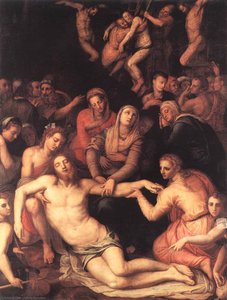
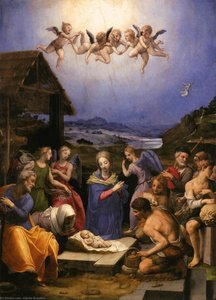
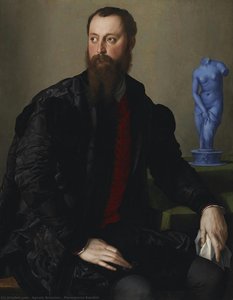
Bronzino’s career ascended dramatically with the patronage of Cosimo I de’ Medici, Duke of Tuscany. Recognizing Bronzino's exceptional talent, Cosimo appointed him as the official court painter—a position he held until his death in 1572—solidifying his status as one of Florence’s most celebrated artists. This relationship fostered a prolific artistic output, encompassing monumental frescoes for churches and palaces, elaborate decorative schemes, and countless portraits of the Medici family and their associates. Cosimo's wedding to Eleonora di Toledo served as an impetus for Bronzino’s creative endeavors—resulting in opulent decorations that proclaimed Florentine grandeur and dynastic ambition. The Duke commissioned a series of paintings depicting biblical narratives and mythological allegories—demonstrating Bronzino’s versatility as a storyteller and his command of visual symbolism.The Mannerist Style: Cool Composure and Refined Detail
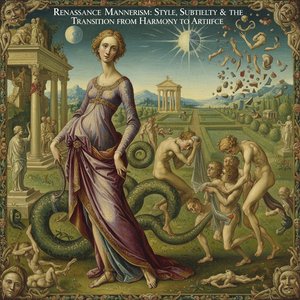
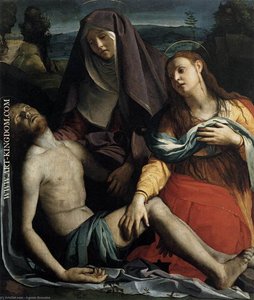
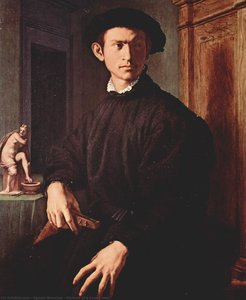
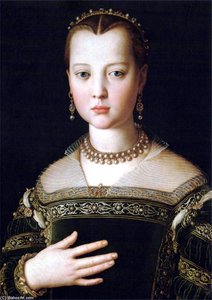
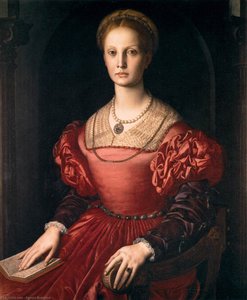
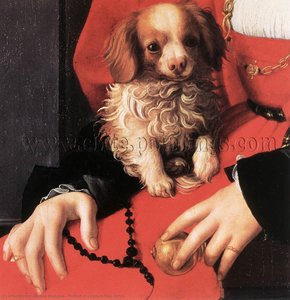
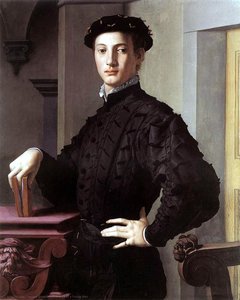
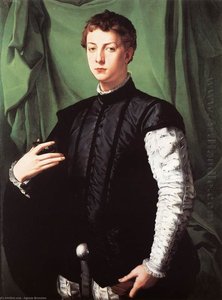
Bronzino's artistic style is quintessentially Mannerist—a movement that flourished in Italy during the mid-16th century as a reaction against the High Renaissance's emphasis on naturalism and harmonious balance. He embraced elongated forms, stylized poses, and an often cool, detached emotionality. His figures are rarely caught in moments of spontaneous action; instead, they appear carefully posed, almost sculptural in their stillness. This stylistic preference—characterized by deliberate restraint and meticulous attention to detail—contrasted sharply with the expressive dynamism of artists like Pontormo and Raphael. Bronzino’s palette favored muted tones—particularly cool blues and greens—creating an atmosphere of serenity and elegance. He meticulously rendered textures—from velvet drapery to polished marble—enhancing the illusion of realism while simultaneously elevating it beyond mere imitation. His technique involved layering thin glazes over a preparatory underpainting, achieving remarkable luminosity and depth.Legacy and Influence: Shaping Florentine Art History
Bronzino’s influence extended far beyond his own lifetime, shaping the visual language of aristocratic portraiture throughout Europe for decades to come. He established himself as Florence's foremost artist—a master of Mannerist refinement whose portraits continue to captivate viewers centuries later. His meticulous attention to detail and stylistic control became models for subsequent generations of painters—inspiring them to pursue similar standards of excellence. Bronzino’s legacy resides not only in his impressive artistic output but also in his role as a champion of intellectual rigor and stylistic innovation—a figure who helped redefine the boundaries of artistic expression during a pivotal moment in European art history. His enduring fame testifies to the power of visual artistry to convey profound psychological insight and aesthetic beauty.Вопросы и ответы
К какой исторической эпохе относится Аньоло Бронзино?
Аньоло Бронзино работал в эпоху — Эпоха Возрождения. Этот период позволяет определить место творчества художника в истории.
Известен ли Аньоло Бронзино под какими-либо другими именами или псевдонимами?
Аньоло Бронзино также известен под именами Бронзино, Аньоло.
Откуда Аньоло Бронзино?
Аньоло Бронзино родился в Италия.