Barnett Newman: A Pioneer of Abstract Expressionism
Barnett Newman (1905–1970) stands as one of the most influential figures in American art history, a visionary who irrevocably altered the trajectory of abstract painting and profoundly impacted subsequent generations of artists. Born in New York City to Jewish immigrant parents from Poland, his artistic journey began humbly—studying philosophy at City College—but swiftly ascended to monumental heights fueled by an unwavering conviction that art could transcend mere representation and grapple with the deepest questions of human experience. This belief drove him to dismantle much of his earlier work, a deliberate act symbolizing his resolute commitment to forging a radically new visual language.Early Life and Artistic Influences
Newman’s formative years were marked by exposure to European artistic currents—particularly Cubism spearheaded by Picasso and the vibrant color palettes championed by Matisse—which instilled in him an appreciation for formal experimentation. However, he recognized that these established styles lacked the capacity to convey the anxieties and spiritual yearning of the postwar era. Rejecting conventional aesthetics, he embarked on a path of self-imposed creative destruction, discarding canvases brimming with detail and striving instead for austere simplicity. This pivotal decision cleared the way for his signature style—a breathtakingly reductive approach that prioritized emotional resonance over visual realism. He was deeply affected by the horrors of World War II and the looming threat of nuclear annihilation, perceiving a moral crisis within Western culture and believing that art could serve as a counterpoint to prevailing ideologies.The Birth of “Zip Paintings” and Color Field Aesthetics
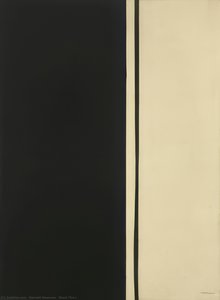
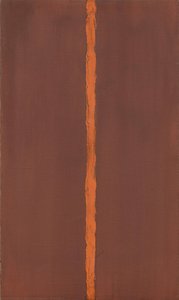
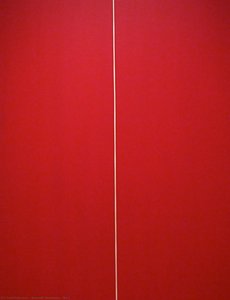
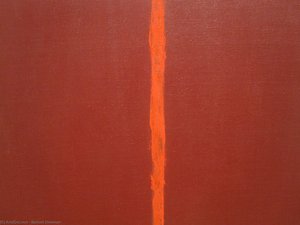
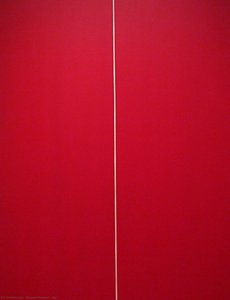
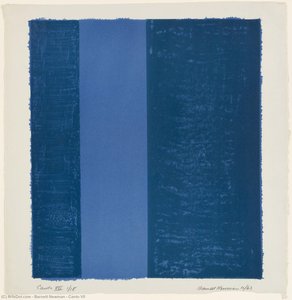
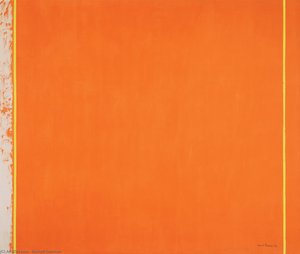
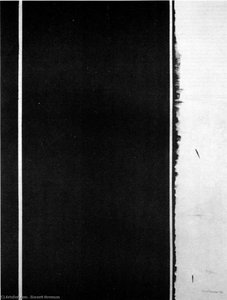
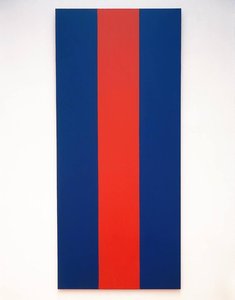
Newman’s breakthrough arrived with his pioneering exploration of what he termed "zips"—vertical bands of color bisecting expansive fields of monochrome hues. These weren't merely lines; they were dynamic forces, asserting presence within the vast emptiness of the canvas—a deliberate antithesis to traditional painting techniques. His debut solo exhibition at Betty Parsons Gallery in 1943 garnered mixed reactions initially, yet it cemented his reputation as a revolutionary artist who dared to challenge artistic conventions. Works like *Onement VI* (1950-51)—featuring a single red zip dividing the canvas into fields of orange and red—became emblematic of his distinctive aesthetic. The painting’s monumental scale and uncompromising composition—a testament to Newman's belief in confronting existential dilemmas—immediately captivated critics and fellow artists alike.Major Achievements and Legacy
Newman’s artistic vision extended beyond mere visual experimentation; he was a prolific writer, essayist, and intellectual who passionately defended his radical aesthetic principles. He championed the notion that art could communicate profound moral values by rejecting dogma and embracing freedom—a stance that resonated deeply with artists grappling with similar concerns during the Cold War era. His monumental canvases, such as *Vir Heroicus Sublimis* (1958-60)—characterized by multiple zips creating a sense of spatial depth and evoking feelings of awe—became symbols of American artistic ambition and spiritual contemplation. Newman’s influence on subsequent generations of artists is undeniable; his minimalist approach paved the way for Minimalism, while his exploration of color and form continues to inspire painters today. His legacy resides not only in his groundbreaking artworks but also in his unwavering conviction that art could serve as a vehicle for confronting existential questions—a belief that solidified his place as one of the most enduring figures in 20th-century art history. Newman’s work remains an object of intense scholarly debate and artistic admiration, prompting ongoing discussions about its significance within the broader context of modern art. His uncompromising vision continues to challenge viewers to contemplate the sublime—that elusive experience of overwhelming grandeur and transcendence—and to grapple with fundamental questions about human existence.Вопросы и ответы
Где и в каком году родился Барнетт Ньюмен?
Барнетт Ньюмен родился в Нью-Йорк в 1905 году.
Откуда Барнетт Ньюмен?
Барнетт Ньюмен родился в США.
К какой исторической эпохе относится Барнетт Ньюмен?
Барнетт Ньюмен работал в эпоху — Модернизм. Этот период позволяет определить место творчества художника в истории.