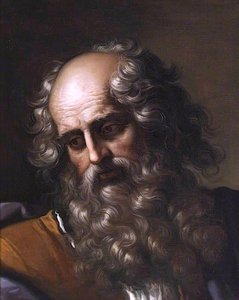
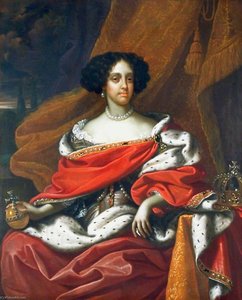
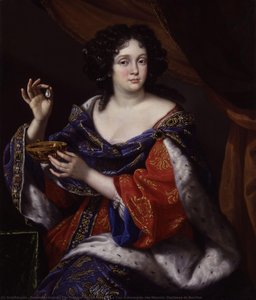
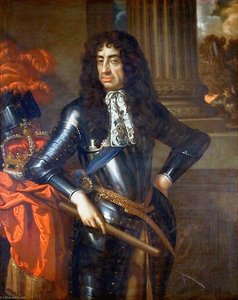
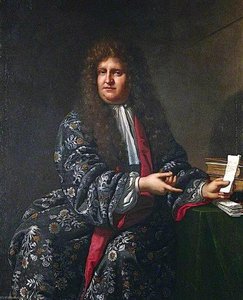
Benedetto Gennari II (1633-1715): Italian Baroque Painter & Portraitist
Benedetto Gennari II, born in Cento, Italy, in 1633, emerged from a distinguished lineage of artists—a legacy destined to etch his name into the annals of Baroque art. As the grandson of Benedetto Gennari I and brother to Cesare Gennari, he inherited not merely familial artistic tradition but also an instinctive understanding of painting’s transformative power—a conviction nurtured by his father, Ercole Gennari, and mother Lucia Barbieri. His formative years unfolded under the watchful gaze of Guercino, whose dramatic manipulation of light and shadow, profound emotional resonance, and dynamic compositional strategies served as foundational principles for Gennari's nascent artistic style. This tutelage instilled within him meticulous technique and a discerning eye—qualities that would underpin his enduring success.Early Training & Influences: The Guercino Legacy
The influence of Guercino was paramount to Benedetto’s artistic development. Recognizing the maestro’s masterful command of chiaroscuro, Gennari diligently studied Guercino's techniques—capturing the interplay between illumination and darkness with unparalleled precision. More importantly, Guercino instilled in him a sensitivity to emotional expression—a conviction that Gennari would carry throughout his career. This profound understanding of artistic psychology informed his portrayal of human subjects, imbuing them with depth and nuance. Furthermore, Guercino’s compositional innovations—particularly the use of diagonal lines and asymmetrical arrangements—served as inspiration for Gennari's own explorations of visual dynamism. These formative experiences solidified Guercino’s indelible mark on Gennari’s artistic vision—a legacy that would continue to shape his oeuvre for decades to come.A Cosmopolitan Career: From Bologna to Royal Courts
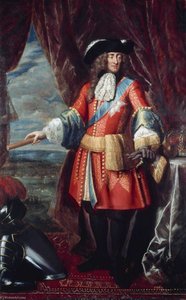
Following Guercino’s passing in 1672, Benedetto and Cesare jointly assumed stewardship of the maestro’s studio—ensuring the preservation of Guercino’s artistic ethos while simultaneously affording them space to cultivate their individual creative voices. However, Gennari possessed an irrepressible spirit—a yearning that transcended the confines of Bologna. Driven by ambition and fueled by admiration for Louis XIV, he embarked on a transformative journey to Paris in March 1672—seeking opportunities within the opulent court of France. His talent swiftly garnered recognition among Parisian nobility—resulting in a cascade of commissions that prolonged his residence in France and broadened his artistic horizons. Exposure to French aesthetic sensibilities introduced him to new stylistic considerations—influencing his subsequent work. In September 1674, Gennari continued his travels—establishing himself as a celebrated portraitist in London where he served both King Charles II and James II—capturing the grandeur of royal life with remarkable skill.The Art of Portraiture: Capturing Essence & Dignity
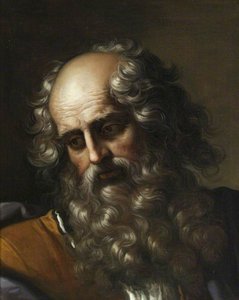
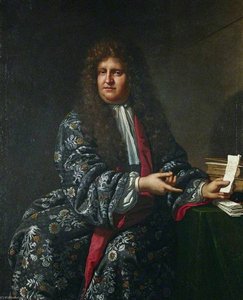
Benedetto Gennari II distinguished himself as an exceptional portraitist—a vocation that would define his artistic reputation. Unlike many of his contemporaries, Gennari eschewed mere likeness—instead striving to convey not only physical appearance but also the inner character and psychological complexity of his subjects. He achieved this feat through meticulous observation—analyzing facial expressions, posture, and gesture with unwavering attention to detail. Moreover, Gennari skillfully employed color palettes—creating harmonious compositions that reflected both individual personality and social status. His portraits possessed a palpable sense of dignity—reflecting the virtues he sought to portray in his sitters—and imbued them with an emotional resonance that captivated viewers. He elevated portraiture beyond mere representation—transforming it into a form of artistic expression—a testament to his profound understanding of human psychology and visual artistry.Legacy & Artistic Innovation: Embracing Northern European Influences
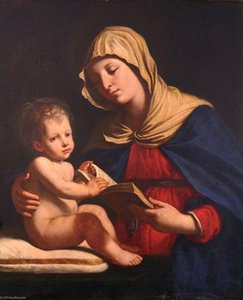
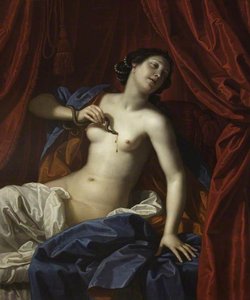
Gennari’s artistic trajectory wasn't static—it was marked by continuous evolution—propelled by his travels and engagement with diverse artistic traditions. While initially deeply rooted in Guercino’s stylistic precepts, he gradually assimilated elements from Northern European painting—incorporating techniques of perspective and tonal gradation into his compositions. This synthesis resulted in a more nuanced approach to visual representation—reflecting the broader cultural currents of his time. His mythological paintings—particularly those commissioned for King Charles II—demonstrated his mastery of classical iconography—while simultaneously embracing innovative compositional strategies. Gennari’s unwavering commitment to artistic excellence culminated in his membership of the Accademia Clementina—where he championed experimentation and fostered a vibrant intellectual environment. Benedetto Gennari II remains an enduring symbol of Baroque artistry—a testament to his technical prowess, artistic sensitivity, and lasting contribution to European art history.Вопросы и ответы
Откуда Бенедетто Дженнари Младший?
Бенедетто Дженнари Младший родился в Италия.
В каком городе и стране родился(ась) Бенедетто Дженнари Младший?
Бенедетто Дженнари Младший родился в Ченто, Италия.
Где и в каком году родился Бенедетто Дженнари Младший?
Бенедетто Дженнари Младший родился в Ченто в 1633 году.