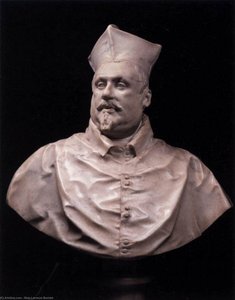
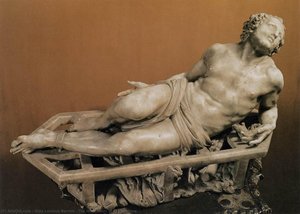
Gian Lorenzo Bernini: The Architect of Baroque Emotion
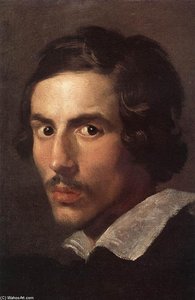
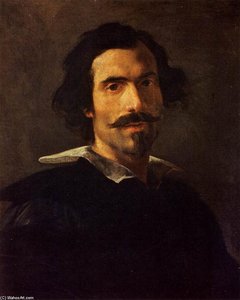
Gian Lorenzo Bernini, a name synonymous with the height of 17th-century artistry, was more than just a sculptor; he was a visionary architect, painter, and theatrical designer—a true *uomo universale* who fundamentally reshaped the aesthetic landscape of Rome. Born in Naples in 1598, his journey to becoming one of history’s most celebrated artists began within the workshop of his father, Pietro Bernini, a respected sculptor already known for his skill. This early immersion in the craft, combined with an intense study of classical antiquity and the artistic legacy of Michelangelo, laid the foundation for Bernini's revolutionary approach to art—one that prioritized emotional expression and dramatic narrative above all else.The Genesis of Baroque: Sculpting a New Language
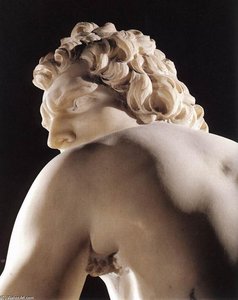
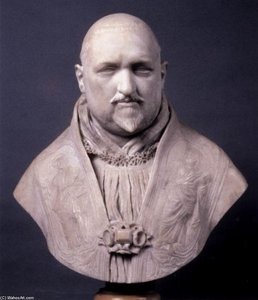
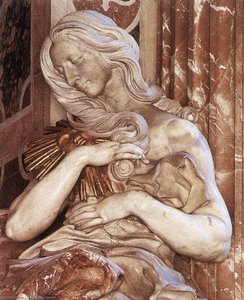
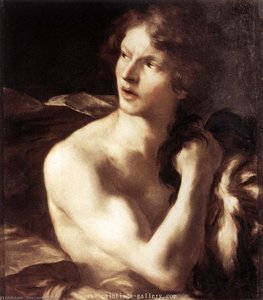
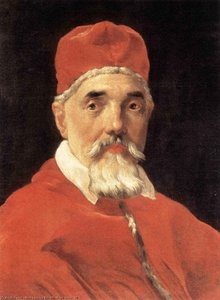
Bernini’s genius truly blossomed under the patronage of Cardinal Maffeo Barberini, who later ascended to the papacy as Urban VIII. This relationship proved pivotal, providing Bernini with unprecedented opportunities to develop his distinctive style—a style that would become inextricably linked with the rise of the Baroque period. Unlike the idealized forms and serene beauty favored by Renaissance sculptors, Bernini sought to capture the raw energy of human experience. His works weren’t merely representations; they were visceral embodiments of emotion, imbued with a sense of movement, theatricality, and psychological depth. Consider *Apollo and Daphne*, where the transformation into a laurel tree is rendered not as a static event but as a dynamic struggle—the nymph's terror, Apollo’s pursuit, and the blossoming leaves all contributing to a single, breathtaking moment. Similarly, in *The Ecstasy of Saint Teresa*, Bernini masterfully manipulates light, texture, and gesture to create an experience that transcends mere representation, plunging the viewer directly into the saint’s mystical encounter.Beyond Stone: Architecture and Urban Transformation
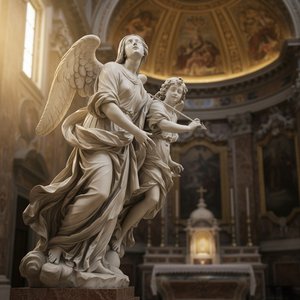
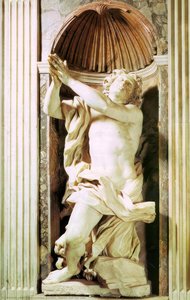
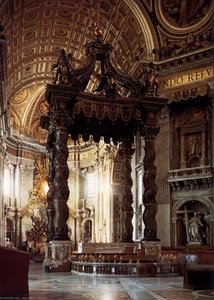
Bernini's artistic vision extended far beyond the confines of sculpture. He was a remarkably versatile architect who played a crucial role in transforming the cityscape of Rome. His designs weren’t isolated creations; they were integrated with his sculptural work, creating unified artistic experiences that blurred the boundaries between disciplines. The monumental Baldacchino above the high altar of St. Peter's Basilica stands as perhaps the most spectacular example of this holistic approach—a soaring bronze canopy that dominates the space and draws the eye upwards in awe. Beyond this grand masterpiece, Bernini designed numerous churches, chapels, and public spaces, each infused with his characteristic dynamism and theatrical flair. His redesign of Piazza Navona, culminating in the *Fountain of Four Rivers*, is a testament to his ability to create engaging urban environments—a vibrant spectacle that captivated visitors and redefined the concept of public space.The Influence of Patronage and Artistic Evolution
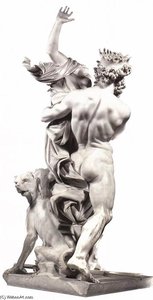
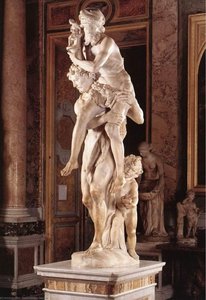
Bernini’s career was profoundly shaped by the patronage of powerful figures, most notably Cardinal Scipione Borghese and Pope Urban VIII. These patrons provided him with commissions that allowed him to experiment with new techniques and explore ambitious projects. Early works like *Aeneas, Anchises, and Ascanius Fleeing Troy* demonstrated a nascent interest in dramatic narrative, while later pieces such as *Pluto and Proserpina* showcased Bernini’s mastery of form and his ability to convey complex emotions through the interplay of figures. The influence of Michelangelo is undeniable—Bernini admired the Florentine master's anatomical precision and dynamic compositions, but he ultimately forged his own distinct style—one characterized by a heightened sense of emotional intensity and theatricality.A Lasting Legacy: Bernini’s Enduring Impact
Gian Lorenzo Bernini’s impact on Western art is immeasurable. He didn't simply imitate classical forms; he synthesized them with a new sense of dynamism and emotional intensity, creating something entirely original. His innovations in sculpture—particularly his use of *contrapposto* (a technique for creating dynamic poses) and his mastery of marble texture—established the Baroque style as a dominant force in European art for over a century. He influenced generations of artists with his dramatic compositions, technical virtuosity, and commitment to capturing the full spectrum of human emotion. As Howard Hibbard famously noted, Bernini’s influence was so profound that he stands as “the greatest sculptor of the 17th century.” His works continue to inspire awe and admiration, solidifying his place as one of history's most important artists—a true *uomo universale* whose legacy continues to resonate today.Вопросы и ответы
Где и в каком году родился Джан Лоренцо Бернини?
Джан Лоренцо Бернини родился в Неаполь, 1598 год.
Известен ли Джан Лоренцо Бернини под какими-либо другими именами или псевдонимами?
Джан Лоренцо Бернини также известен как Джованни Лоренцо Бернини.
В какой исторический период работал(а) Джан Лоренцо Бернини?
Джан Лоренцо Бернини работал в период — Эпоха раннего Нового времени. Эта эпоха позволяет определить место творчества художника в истории.