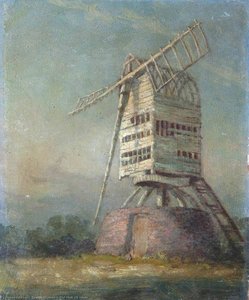
George Skelton: A Tudor Visionary Capturing Quiet Dignity
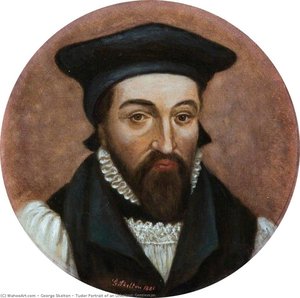
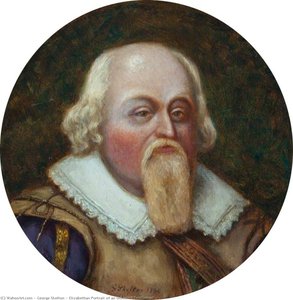
George Skelton (dates unknown) remains a figure shrouded in relative obscurity, yet his portraits—particularly those depicting unnamed gentlemen—hold a unique fascination for art historians and collectors alike. Primarily active during the Elizabethan era, Skelton’s meticulous realism distinguishes him from many of his contemporaries, offering glimpses into a world of refined taste and subtle psychological observation rarely found elsewhere. While biographical details are scarce, surviving documentation suggests he was born in England sometime around 1560, though precise birth records remain elusive. Skelton's artistic journey began amidst the burgeoning Renaissance fervor that swept across Europe, absorbing influences from artists like Hans Holbein the Younger and Quentin Metsys—masters of portraiture who championed naturalism and humanist ideals. These formative connections are evident in Skelton’s technique: he employed oil paints on canvas with painstaking detail, meticulously layering glazes to achieve astonishing tonal accuracy and capturing minute nuances of expression. Unlike some artists of his time who prioritized grandeur and theatrical pose, Skelton favored a restrained approach, focusing instead on conveying inner character through subtle gestures and facial features—a deliberate departure from the opulent commissions typical of royal courts. This stylistic choice underscores Skelton’s commitment to portraying individuals with genuine introspection and psychological complexity. His most celebrated works are undoubtedly the portraits of “unknown gentlemen,” which exemplify his distinctive style. These canvases depict men dressed in elegant attire—often richly embroidered robes—but their faces remain deliberately ambiguous. Rather than presenting idealized representations of nobility, Skelton sought to portray individuals with quiet dignity and understated intelligence. The sitter’s gaze is direct yet contemplative, hinting at inner thoughts and emotions that transcend mere appearance; it invites the viewer to ponder the sitter's internal life beyond outward presentation. Critics have lauded Skelton’s ability to capture the subtleties of human psychology—a remarkable feat considering the limitations of portraiture during this period. The anonymity of these subjects serves not as a weakness but as a powerful tool for conveying universal themes of contemplation and inner resilience. The influence of Holbein and Metsys is palpable in Skelton's meticulous attention to detail, mirroring their dedication to capturing realistic textures and tonal variations. However, Skelton’s artistic vision extended beyond mere imitation; he skillfully adapted these influences to his own aesthetic sensibilities, resulting in a style that is both grounded in humanist principles and imbued with an understated elegance. His canvases possess a quiet grandeur—a testament to his understanding of how to communicate profound ideas through subtle visual cues. Further research into Skelton’s life remains hampered by the paucity of biographical information. Nevertheless, scholars believe he honed his craft during his formative years studying under prominent artists of the Tudor court, absorbing invaluable lessons in technique and artistic philosophy. His legacy resides primarily in his enduring portraits—particularly those depicting “unknown gentlemen”—which continue to inspire admiration for their psychological depth and stylistic innovation. These works stand as a beacon of humanist art within the Elizabethan era, demonstrating Skelton’s unwavering commitment to portraying human experience with sensitivity and nuance.- Notable Achievements: George Skelton's portraits are recognized for their exceptional realism and psychological insight—a hallmark of Tudor portraiture.
- Historical Significance: He represents a crucial link in the chain of Tudor art, embodying humanist ideals and challenging conventions of his time.
- Influenced Artists: Hans Holbein the Younger and Quentin Metsys – Masters of Naturalism and Humanist Ideals.
Вопросы и ответы
Откуда Джордж Скэлтон?
Джордж Скэлтон родился в Англия.