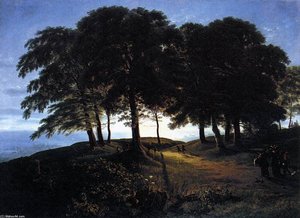
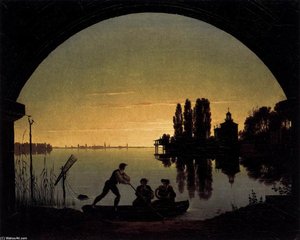
Карл Фридрих Шинкель

1781 - 1841

Краткая справка

  • Typical colors: серо-бежевый
  • Copyright status: Public domain
  • Vibe: элегантный
  • Died: 1841
  • Works on APS: 66
  • Mediums: акрил на холсте
  • Creative periods: mature period
  • Gift suitability:
    • other-none
    • подарок для бизнеса
  • Room fit: гостиная
  • Art period: — XIX век
  • Best occasions:
    • акцентный цвет
    • центральный акцент
  • Развернуть подробности
  • Born: 1781, Нюрберг, Германия
  • Nationality: Германия
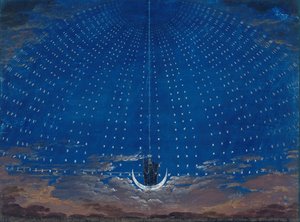
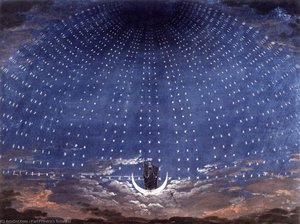
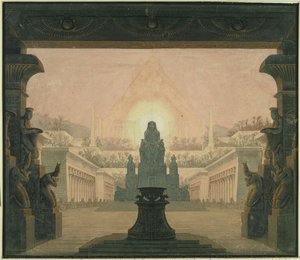
  • Top-ranked work: Опера «Волшебная флейта» Вольфганга Амадея Моцарта. Сценография для второй сцены, Зал звёзд Королевы ночи
  • Corpus themes:
    • neoclassical ideals
    • schinkel legacy
    • civic pride
    • schinkel’s vision
    • greek revival
  • Lifespan: 60 years
  • Also known as: Фридрих Шинкель
  • Museums on APS:
    • Art Museum Riga Bourse
    • Муниципальные музеи Нюрнберга
    • Ритейл Институт Британских Архитекторов (RIBA)
    • Kunstgewerbemuseum
    • Кюпперстихкабинетт
  • Emotional tone:
    • спокойствие
    • раздумчивый
  • Topics explored:
    • architecture
    • schinkel
    • perspective
    • berlin
    • decorative arts
  • Color intensity: сбалансированный

Karl Friedrich Schinkel (1781–1841): Prussia’s Leading Architect & Painter

Karl Friedrich Schinkel, born in Neuruppin, Germany, in 1781, stands as an unparalleled figure within the panorama of 19th-century art and architecture. His life unfolded as a compelling chronicle interwoven with threads of personal adversity and professional triumph—a narrative unfolding against the backdrop of shifting political landscapes and burgeoning artistic movements. The devastating fire that consumed Neuruppin in 1787, tragically claiming his father’s life during Schinkel's formative years, instilled within him an indelible appreciation for order, permanence, and the enduring power of form—qualities that would subsequently define his artistic vision. This early experience undoubtedly nurtured a meticulous precision and emotional resonance characteristic of his mature oeuvre. He received initial mentorship under Friedrich Gilly and his father David Gilly, both influential architects in Berlin, absorbing their classical precepts while simultaneously encountering more experimental currents – a crucial confluence shaping his evolving aesthetic sensibilities. These foundational years furnished Schinkel with an unwavering grasp of architectural history and technique, preparing him for the momentous decisions that lay ahead.

Early Influences and Artistic Aspirations

Schinkel’s artistic inclinations initially gravitated toward painting, demonstrating considerable talent in landscape and portraiture. However, a pivotal juncture arrived during an exhibition in Berlin in 1810—an encounter with Caspar David Friedrich’s iconic *Wanderer above the Sea of Fog*. The sheer emotive depth and masterful execution displayed by Friedrich’s artwork provoked a moment of profound self-assessment within Schinkel. Recognizing that his own artistic predilections did not align with attaining such heights in painting, he decisively pivoted toward architecture—a decision rooted not merely in professional practicality but in an instinctive understanding of where his true creative energies resided. This transition wasn't simply a change of vocation; it represented a testament to Schinkel’s intellectual honesty and unwavering commitment to pursuing excellence where his innate talents shone brightest. He possessed a keen awareness of artistic tradition, yet simultaneously harbored aspirations for innovation—a duality that would characterize his architectural endeavors throughout his illustrious career. His formative years under Gilly instilled in him not only technical proficiency but also an appreciation for the expressive potential inherent within geometric forms and spatial arrangements.

From Classical Roots to Gothic Revival: A Synthesis of Styles

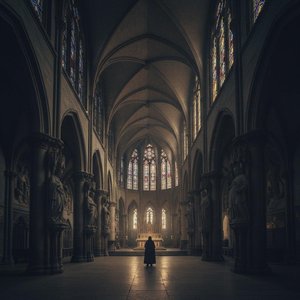
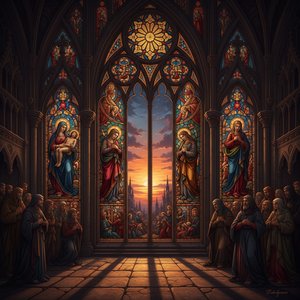
Schinkel’s architectural style is remarkably complex, embodying a sophisticated synthesis of diverse influences—a stylistic hallmark that distinguishes him from many contemporaries. While firmly anchored in Neoclassical principles—a reaction against the perceived excesses of Baroque and Rococo—he transcended mere stylistic imitation, embracing instead the grandeur and solemnity of Greek architectural ideals. This embrace of Greek Revival wasn’t solely driven by aesthetic preference; it reflected Schinkel's conviction that architecture should embody both structural integrity and poetic resonance—engaging with history while simultaneously evoking profound emotion. Yet, he refused to confine his artistic explorations to a single stylistic paradigm. He demonstrated an exceptional aptitude for the Gothic Revival style, exemplified in monumental structures such as Schloss Rosenau and Friedrichswerder Church—works that showcased his mastery of intricate ornamentation and spatial illusion. Schinkel’s designs were characterized by meticulous attention to detail, innovative utilization of materials, and a profound comprehension of spatial relationships—elements that elevated his creations beyond mere architectural constructions into immersive experiences for the viewer. He skillfully blended classical restraint with Gothic exuberance, creating buildings that captivated audiences with their grandeur and spiritual depth.

Monumental Achievements: Shaping Berlin’s Identity

Schinkel’s legacy is indelibly imprinted upon the cityscape of Berlin—a testament to his transformative vision as state architect and urban planner. The Neue Wache (1816–1818), conceived as a memorial to Prussian soldiers who perished in Napoleonic Wars, stands as an exemplar of Neoclassical elegance and dignified solemnity—a building that embodies Schinkel’s belief in the power of architecture to commemorate history and inspire civic virtue. Similarly, the National Monument for the Liberation Wars (1818–1821) commemorates Prussia's triumph over Napoleon with monumental scale and sculptural grandeur—a testament to Schinkel’s ability to convey emotion through architectural form. The Schauspielhaus (1819–1821), rebuilt on Gendarmenmarkt following a devastating fire, exemplifies Schinkel’s refined theatrical design—a building that harmoniously blends classical aesthetics with functional considerations. Beyond these iconic landmarks, Schinkel spearheaded the ambitious redevelopment of Berlin's central squares and boulevards—transforming the city into a modern metropolis while preserving its historical character. His visionary planning ensured that Berlin would become a beacon of cultural innovation and civic pride for generations to come.

A Lasting Influence: Beyond Form and Function

Karl Friedrich Schinkel’s influence extends far beyond the physical structures he erected—reaching into the realm of architectural theory and artistic practice. He disseminated his ideas through publications like *Sammlung architektonischer Entwürfe* (1820–1837) and *Werke der höheren Baukunst* (1840–1846)—works that provided invaluable insights into his design principles and construction techniques—influencing subsequent generations of architects. Though constrained by political circumstances and tragically cut short by his untimely demise in 1841, Schinkel remains a pivotal figure in German architectural history—a man who irrevocably shaped the aesthetic landscape of his era and whose legacy continues to inspire awe and admiration today. His buildings are not merely repositories of stone and mortar; they are embodiments of artistic vision—testaments to a creative genius that transcended temporal boundaries and cemented Schinkel’s place among the titans of nineteenth-century art and architecture.

Тест по искусству

В каждом вопросе только один правильный ответ.

Вопрос 1:
Кто был выдающимся немецким архитектором и живописцем эпохи романтизма и классицизма?
Вопрос 2:
Как назывался стиль архитектуры Шинкеля, который сочетает элементы классической и готической архитектуры?
Вопрос 3:
В каком году родился Карл Фридрих Шинкель?
Вопрос 4:
Какое здание является наиболее известным произведением архитектуры Шинкеля и символом немецкого национального искусства?
Вопрос 5:
Какой художник оказал значительное влияние на эстетические взгляды Шинкеля и вдохновил его работой "Вандерер над туманом"?


© 2026 mus3ums.com