Paolo Morando (Il Cavazzola) – Renaissance Painter of Verona
Paolo Morando, better known as Il Cavazzola, was a prominent Italian painter active primarily in his hometown of Verona during the Renaissance. Born around 1486-1488 in Verona, he emerged from a family steeped in textile trade—his father, Taddeo Morando, operated a *pezarolus*, a cloth merchant specializing in weighing fabrics. While biographical details remain scarce, Vasari’s account portrays him as “a young man of excellent character and without any blemish of vice,” highlighting his reputation for integrity within the artistic circles of his time.
### Training and Early Influences
Morando's artistic education began under the tutelage of Domenico Morone, a respected Veronese painter and sculptor, whose workshop served as a crucible for shaping young talents. Subsequently, he honed his skills in Francesco Morone’s studio—Domenico’s son—further immersing himself in the stylistic currents prevalent in Verona during the Renaissance. Notably, Morando's formative years coincided with the influence of masters like Giorgio Vasari and Andrea Mantegna, whose artistic vision profoundly impacted his own approach to painting.
### Artistic Style and Venetian Connections
Morando’s style was characterized by a harmonious blend of Renaissance idealism and Gothic ornamentation—a stylistic hallmark of Verona at the time. He embraced Giorgione's innovative use of color and atmospheric perspective, mirroring the Venetian painter’s groundbreaking techniques. This admiration for Giorgione is evident in numerous landscapes and figures within his oeuvre, demonstrating Morando’s keen observation of nature and his ability to convey emotion through visual representation. Furthermore, he absorbed influences from Giovanni Bellini and Raphael, expanding his artistic repertoire and refining his compositional skills. Evidence suggests connections with Northern European artistic traditions, hinting at a broader engagement with contemporary artistic trends.
### Major Works and Legacy
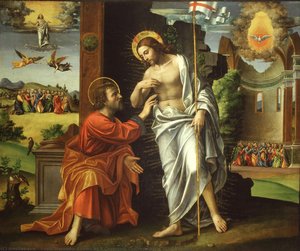
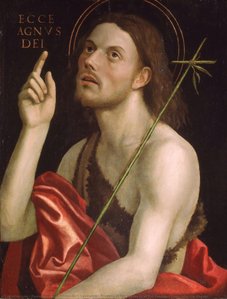
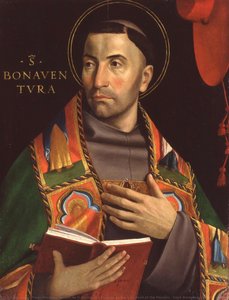
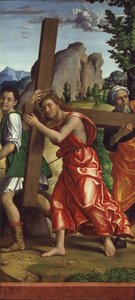
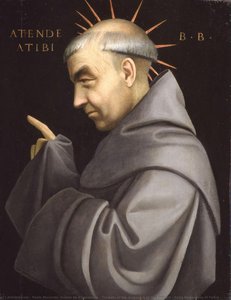
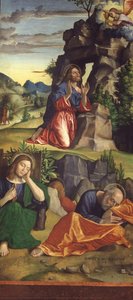
Morando’s most celebrated achievement was undoubtedly the *Polyptych of the Passion*, commissioned by the Benedictine Monastery of San Bernardino in Verona between 1517 and 1518. This monumental artwork—consisting of five canvases and a predella featuring four panels—represents Morando's mastery of technique and his ability to synthesize diverse artistic influences into a cohesive visual narrative. The predella’s depiction of Saint John the Baptist and Saint Bernardine of Feltre exemplify Morando’s exceptional talent, showcasing delicate brushstrokes and luminous colors. His masterpiece, “Warrior with Equerry,” painted sometime between 1518 and 1522, is considered one of his finest canvases—a testament to his artistic prowess and enduring legacy. Today, Morando's works are housed in museums across Europe, including Castelvecchio Museum in Verona, where they continue to inspire admiration for their beauty and expressive power.