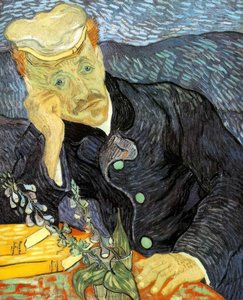
Жизнь Винсента Виллема Ван Гога
Винсент Виллем Ван Гог родился 30 марта 1853 года в Зюндерте, Нидерланды. Он был старшим из шестерых детей, рожденных Теодорусом и Анной Карбентус. Его появление на свет последовало за еще не родившимся братом по имени Винсент, который появился на свет ровно за год до него. Семья жила в регионе Брабант, где ландшафты и тихие ритмы сельской жизни наложили глубокий отпечаток на его ранние годы. Его брат Тео родился 1 мая 1857 года, и их духовная связь оставалась неизменной на протяжении многих лет, воплотившись в бесчисленных письмах, которые они обменивали друг с другом.
Вся его жизнь была отмечена мучительным поиском своего места в мире. Он пробовал себя в самых разных ролях: от работы в художественных галереях до служения в качестве миссионера, прежде чем окончательно обратиться к холсту. Этот путь не был легким. Его творчество сопровождалось периодами глубокого одиночества и душевной борьбы, которые незримой тенью ложились на его работы. В конечном итоге его жизненный путь пролегал через ослепительный свет юга Франции и безмятежность Сен-Реми, пока жизнь не оборвалась в Овере-сюр-Уаз, Франция. Он ушел из жизни 29 июля 1890 года в возрасте 37 лет после смертельного ранения в грудь, нанесенного самому себе.
Ранние годы, семья и обучение
Тихая деревушка Зюндерт в провинции Брабант стала местом, где родился Винсент Виллем Ван Гог. Он был вторым сыном Теодораса ван Гога, протестантского проповедника, и Анны Карбентус. Семейная жизнь мальчика была подчинена размеренным ритмам деревенского быта и долгим прогулкам по окрестным сельским пейзажам. В возрасте одиннадцати лет его отправили в школу-интернат в Зевенберген, но этот опыт оказался для него тяжелым и принес лишь печаль. К тринадцати годам он переехал в Тилбург, чтобы продолжить обучение в средней школе, однако по неизвестным причинам покинул учебное заведение на середине второго учебного года.
Его профессиональный путь начался благодаря связям дяди. В шестнадцать лет он устроился стажером в филиал компании Goupil & Cie в Гааге. Эта работа обеспечила ему постоянный контакт с произведениями искусства, создавая вокруг него атмосферу творчества. В 1873 году он переехал в лондонский филиал Goupil & Cie, где проработал до мая 1875 года. Позже, в мае 1875 года, его карьера привела его в самое сердце арт-рынка — в парижский филиал той же фирмы. В Париже он пробыл до апреля 1876 года. В течение всех этих лет он поддерживал тесную переписку со своим младшим братом Тео, который также работал в структуре Goupil & Cie.
Поиск призвания
Прежде чем в его руках оказались кисти и густые масляные краски, наступил долгий период мучительных поисков своего места в этом мире. Он проживал разные жизни, примеряя на себя множество ролей в надежде найти ту самую, единственную. Он работал торговцем искусством, погружаясь в тонкости арт-рынка, а позже пробовал свои силы в преподавании. Эти годы были отмечены беспокойным движением от одного призвания к другому — он словно блуждал в поисках жизненного ориентира, который всё никак не давался ему в руки.
В Англии он работал учителем языка и светским проповедником. Этот период духовных исканий привел его в регион Бориньяж в Бельгии зимой 1879–1880 годов. Там, среди простых людей, он жил как евангелист, стремясь служить общине через свою веру. В те годы его жизнь была наполнена одиночеством и борьбой; он часто ощущал на себе всю тяжесть собственных убеждений и суровость окружающих его условий.
Лишь в возрасте 27 лет он окончательно сосредоточил всё свое внимание на живописи. Это решение пришло после долгих лет блужданий по иным профессиям, включая его путь миссионера. Он начал осваивать инструменты своего ремесла с опозданием, постепенно оставляя роли учителя и проповедника, чтобы окончательно погрузиться в жизнь художника.
Парижский период и художественное пробуждение
Переезд в Париж в 1886 году навсегда изменил его восприятие света и цвета. Этот город открыл ему двери в миры импрессионизма и постимпрессионизма, заставив его отойти от темных, тяжелых тонов ранних лет. Он жадно впитывал технику таких мастеров, как Моне, Ренуар и Писсарро, и его палитра начала стремительно светлеть. Мрачные, землистые оттенки времен пребывания в Нидерландах уступили место новому, трепетному видению мира через игру света и живой мазок.
В кругах авангарда он встречал таких выдающихся личностей, как Эмиль Бернар и Поль Гоген. Эти встречи не были просто светскими раутами; они стали частью непрерывного обмена идеями о том, как именно можно воплотить реальность на плоскости холста. Он изучал смелые контуры и плоские цветовые плоскости японских гравюр, которые коллекционировал вместе со своим братом Тео. Тот период стал временем стремительной технической эволюции, когда его манера письма стала более свободной, а использование цвета — более прямым и экспрессивным.
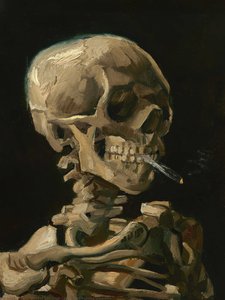
- Череп с горящей сигаретой (1886)
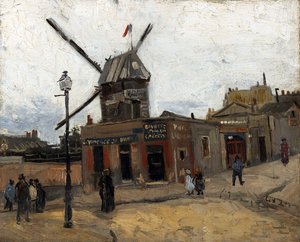
- Мулен де ла Галетт (1886)
Творческий взрыв в Арле
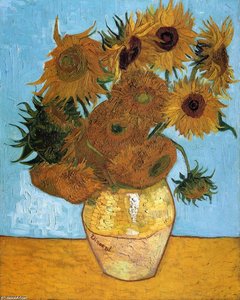
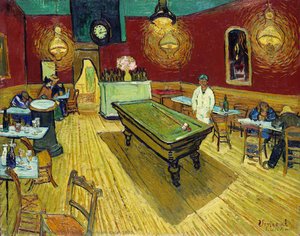
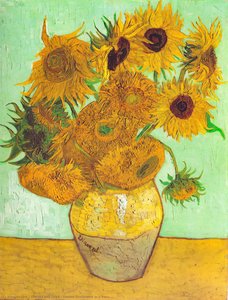
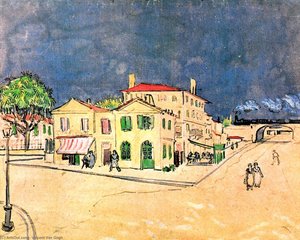
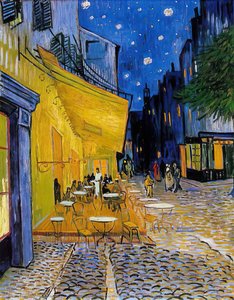
Переезд в Арль в 1888 году принес с собой иное восприятие света. Южное французское солнце, казалось, зажгло его палитру, открыв период невероятно плодотворного творчества. Винсент Ван Гог накладывал краску густыми, рельефными мазками, используя технику импасто, которая создавала осязаемую, почти скульптурную текстуру на холсте. Это было время подсолнухов, когда он создавал множество вариаций цветов в вазах, а также время глубоких исследований ночного кафе. Цвета стали более насыщенными и глубокими, окончательно оставляя в прошлом мрачные тона его ранних лет.
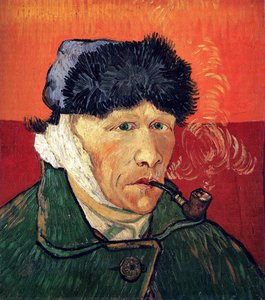
В поисках единомышленников он мечтал о творческом союзе и пригласил Поля Гогена разделить с ним жизнь в Арле. Его надежда заключалась в создании утопической колонии, где художники могли бы жить и творить бок о бок. Однако этот период сотрудничества был пронизан напряжением. Драматическое столкновение двух сильных личностей в конечном итоге привело к трагическому акту, когда Винсент Ван Гог нанес себе увечье, отрезав собственное ухо. Это событие ознаменовало перелом в его душевном состоянии и положило начало периоду пребывания в лечебницах.
- Подсолнухи (1888)
- Ночное кафе (1888)
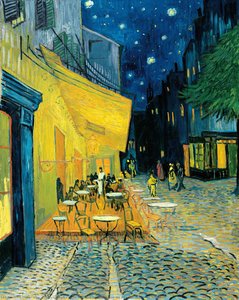
- Звездная ночь над Роной (1888)
Поздние годы в Сен-Реми и Овере
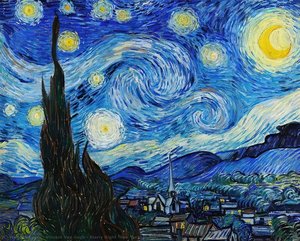
После пребывания в Арле Винсент Ван Гог оказался в лечебнице в Сен-Реми. В этот период его взор обратился к окружающим пейзажам: он стремился запечатлеть вечное движение неба и земли в таких работах, как Звёздная ночь. Мазки в этих полотнах наполнены ритмичной, вихревой энергией, отражающей мир, который он созерцал из своего окна. Он продолжал писать с невероятным усердием, находя способ перенести внутреннее напряжение окружающего мира на холст.
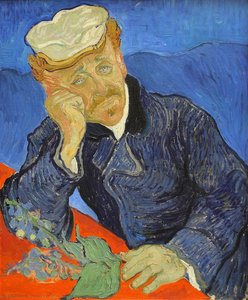
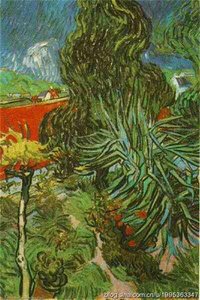
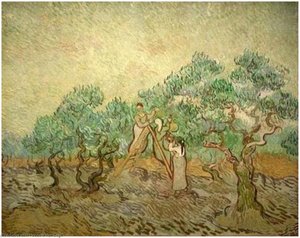
В конечном итоге он переехал в Овер-сюр-Уаз, где находился под опекой доктора Поля Гаше. Этот этап жизни был отмечен неустанным стремлением уловить свет и бескрайние поля французской провинции. Однако внутренняя борьба не утихала ни на миг. 29 июля 1890 года, в возрасте 37 лет, Винсент Ван Гог скончался в Овер-сюр-Уаз, Франция, от огнестрельного ранения в грудь, нанесенного самому себе.
- Звёздная ночь
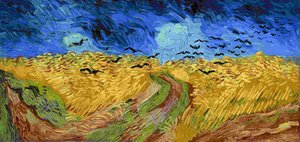
- Пшеничное поле с воронами
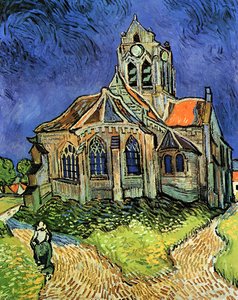
- Церковь в Овере
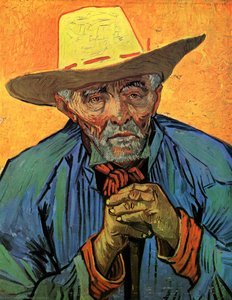
- Старик в печали
Техника и художественный стиль
Краска на холсте Винсента Ван Гога часто ложится густыми, тяжелыми гребнями. Эта техника импасто превращает мазки в нечто большее, чем просто цветовые пятна; они становятся физическими слоями, которые улавливают и преломляют свет. Он наносил масляную краску с каким-то особым чувством неотложности, создавая текстурную поверхность, которая кажется беспокойной и живой. Эти мазки зачастую импульсивны и драматичны, они следуют за движением самого предмета, а не за строгими линиями наброска. Он никогда не стремился к фотографическому сходству с миром. Вместо этого он использовал цвет и форму, чтобы передать субъективный опыт, ставя интенсивность чувства выше объективной реальности сцены.
Его палитра претерпевала изменения по мере эволюции его метода. Он уходил от приглушенных, землистых тонов своих ранних лет к использованию смелых, насыщенных цветов. Отчасти это было продиктовано его увлечением японскими гравюрами на дереве, такими как работы Хиросиге. Именно у этих гравюр он научился использовать плоские цветовые плоскости и характерную композицию с необычным кадрированием. Он также перенял использование жирных контуров и нестандартных перспектив. Это влияние помогло ему двигаться к стилю, в котором цвет служил для выражения внутренних состояний, а не просто для описания естественного освещения пейзажа.
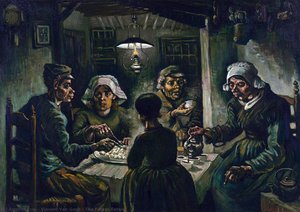
- Едоки картофеля (1885)
- Подсолнухи (1888)
- Звездная ночь (1889)
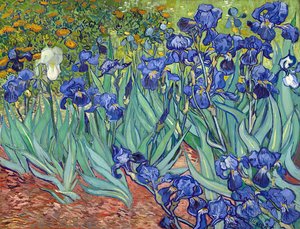
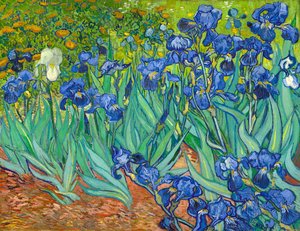
- Ирисы (1889)
Ключевые работы и шедевры
В 1885 году, погрузившись в тяжелые, темные тона голландской сельской местности, он создал «Едоков картофеля». Краска здесь наложена густо, передавая грубую текстуру глиняной посуды и изнуренные лица людей, собравшихся вокруг стола. Это глубокое исследование земли и тени, где свет словно борется с мраком комнаты. Этот период открывает нам человека, пристально вглядывающегося в суровую реальность физического труда, используя приглушенную палитру, чтобы отразить саму суть жизни рабочего класса.
С переездом на юг природа света преобразилась. В 1888 году он обратил свое внимание на серию «Подсолнухи», создавая несколько версий для украшения комнаты в Арле. В этих полотнах используется техника густого импасто: краска наложена настолько плотно, что создает собственный физический рельеф. Желтые оттенки здесь яркие и прямолинейные, они нанесены с ритмичной энергией, из-за которой кажется, будто лепестки все еще находятся в движении. Это было время интенсивного цвета, ознаменовавшее уход от приглушенных коричневых тонов его ранних лет.
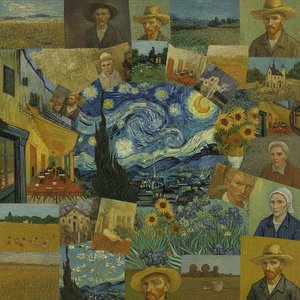
К 1889 году его мазок приобрел вихреобразное, беспокойное качество. «Звездная ночь» воплощает это движение через глубокие синие и пульсирующие желтые тона, создавая небо, которое кажется живым и наполненным движением. Позже, в 1890 году, он написал «Церковь в Овере», запечатлев архитектуру деревни под бескрайним, открытым небом. Его последние работы часто отражали окружающий ландшафт — будь то пшеничные поля или тихие уголки деревни, — и всегда были отмечены тем самым характерным, тяжелым и осязаемым наслоением масла.
- «Едоки картофеля» (1885)
- Серия «Подсолнухи» (1888)
- «Звездная ночь» (1889)
- «Церковь в Овере» (1890)
Наследие и непреходящее влияние
Вес его влияния стал очевиден уже в начале XX века. Его новаторский подход к цвету и форме проложил путь для экспрессионизма, освободив искусство от необходимости зеркально отражать физический мир. Вместо этого фокус сместился во внутренний мир человека: холст стал инструментом для передачи чувств, а не просто визуального сходства. Этот сдвиг коренным образом изменил творческий метод многих художников, поставив во главу угла субъективный опыт личности.
Многое из того, что мы знаем о его творчестве сегодня, стало возможным благодаря непоколебимой преданности Йоханны Ван Гог-Бонгер. После его смерти она сделала всё возможное, чтобы его картины были увидены и поняты миром. Управляя его наследием и продвигая его искусство, она помогла его репутации выйти далеко за пределы узкого круга людей, знавших его при жизни. Без её самоотверженных усилий масштаб его творчества мог бы навсегда остаться скрытым в частных коллекциях или затеряться в тени его личных трагедий.
В памяти поколений он часто предстает как трагическая фигура — человек, чья жизнь была омрачена душевными болезнями и нищетой. Это восприятие стало неотъемлемой частью его истории, порой затмевая ту техническую дисциплину и мастерство, которые он вкладывал в свои полотна. Его история неразрывно связана с вечным напряжением между личными страданиями и той интенсивной, ритмичной энергией, которую он оставил после себя в своих масляных красках. Его место в истории искусства определяется именно этим переплетением: тяжелой судьбы и невероятно плодовитого, преображающего мир творчества.
Где можно увидеть его шедевры сегодня
Чтобы воочию соприкоснуться с живым дыханием его мазков, можно отправиться в несколько знаковых коллекций. Музей Кроллера-Мюллера в Оттерло хранит самое масштабное собрание его наследия — здесь находится 143 произведения. За ним следует Музей Ван Гога в Амстердаме, в котором представлено 100 работ. Эти коллекции позволяют проследить захватывающую эволюцию его стиля: от приглушенных, меланхоличных тонов ранних лет до экспрессивного, густого импасто, ставшего визитной карточкой его зрелого творчества.
Другие значимые группы его полотен сосредоточены в крупнейших мировых музеях. Так, в парижском Музее д'Орсе находится 22 картины. По другую сторону Атлантики, в Метрополитен-музее в Нью-Йорке, можно увидеть 15 его шедевров. Каждое из этих мест предлагает свой взгляд на его творческий путь — от суровых, приземленных образов крестьянского быта до вихреобразных, небесных просторов его последних лет.
- Поедатели картофеля (1885)
- Подсолнухи (1888)
- Звёздная ночь (1889)
- Церковь в Овере (1890)
- Пшеничное поле с воронами (1890)
Вопросы и ответы
Под какими еще именами известен Винсент Ван Гог?
Винсент Ван Гог также известен под именами Ван Гог, Винсент.
Где и в каком году родился Винсент Ван Гог?
Винсент Ван Гог родился в Зюндерт в 1853 году.
В каком городе и стране родился(ась) Винсент Ван Гог?
Винсент Ван Гог родился в Зюндерт, Нидерланды.