Early Life and Artistic Beginnings
Sir William George Gillies, a name synonymous with the evocative beauty of Scottish landscapes and poignant still lifes, was born in Haddington, East Lothian, in 1898. His early life, steeped in the traditions of his native region, would profoundly shape his artistic vision. Initially enrolled at the Edinburgh College of Art, his studies were abruptly interrupted by the exigencies of World War I, where he served with distinction as a Royal Engineer. This experience, marked by both hardship and camaraderie, undoubtedly left an indelible mark on his psyche – a sensitivity to human experience that would later permeate his art. Following the war’s conclusion, Gillies returned to complete his education at the Edinburgh College of Art, ultimately securing a position as a dedicated teacher there for over four decades, shaping the artistic sensibilities of countless students.A Journey Through Modernism: Influences and Early Works
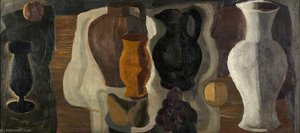
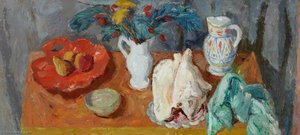
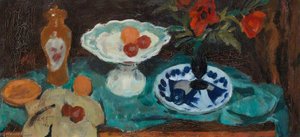
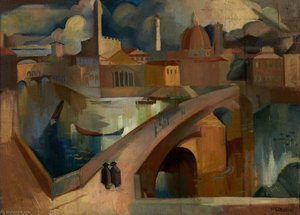
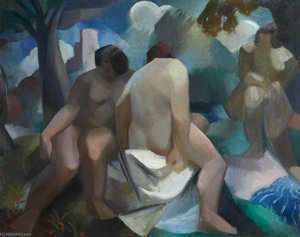
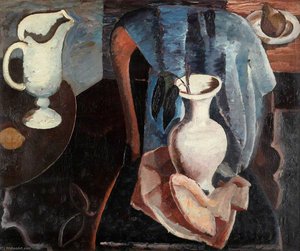
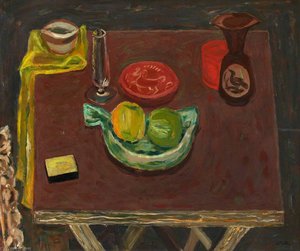
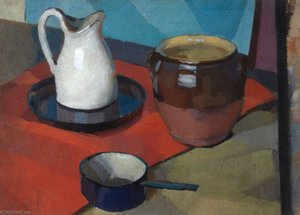
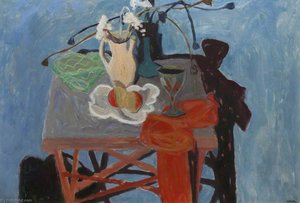
Gillies' artistic trajectory began with an enthusiastic exploration of Cubism following his studies under André Lhote in Paris (1923) and a subsequent journey to Italy (1924). This period exposed him to the radical innovations of European modern art, particularly the works of Picasso and Braque. His early paintings, such as “Two Pots, Saucer and Fruit” (1933), demonstrate this initial influence – a Cézanne-inspired arrangement characterized by carefully constructed compositions and an understated palette. However, a pivotal moment arrived in 1934 with his encounter with the art of Paul Klee. Klee’s imaginative use of color, his playful approach to form, and his embrace of childlike qualities profoundly impacted Gillies' style, leading him to incorporate elements of whimsy and emotional depth into his compositions. This shift marked a departure from strict Cubism, laying the foundation for his distinctive, deeply personal artistic voice rooted in Scottish traditions.The 1922 Group: A Hub of Innovation
In 1922, Gillies played a crucial role in establishing the “1922 Group,” alongside fellow artists including William Crozier, William Geissler, and William MacTaggart. This collective, operating out of the New Gallery in Edinburgh for a decade, served as a vital platform for emerging Scottish artists to showcase their work and foster a sense of community and artistic exchange. The 1922 Group was more than just an exhibition society; it represented a concerted effort to nurture and promote a new generation of Scottish painters, challenging established norms and pushing the boundaries of contemporary art. It’s a testament to Gillies' leadership and vision that he spearheaded this initiative, contributing significantly to the vibrant artistic landscape of Edinburgh at the time.Themes and Subject Matter: A Reflection of Scotland
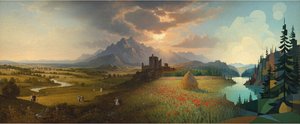
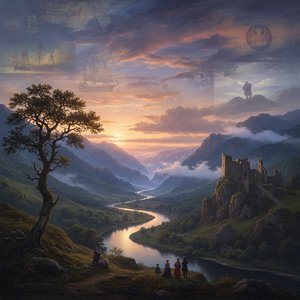
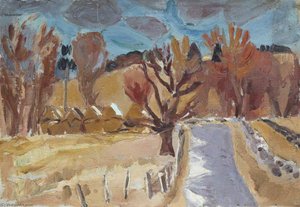
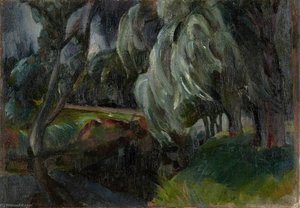
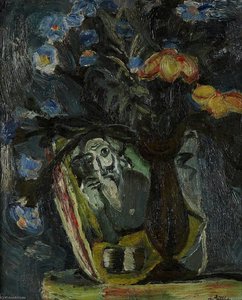
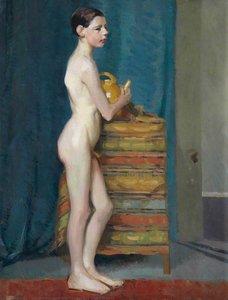
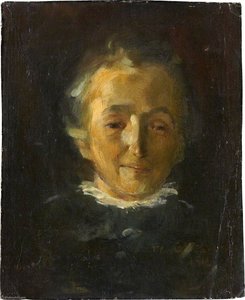
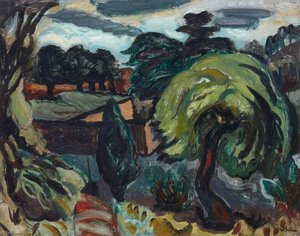
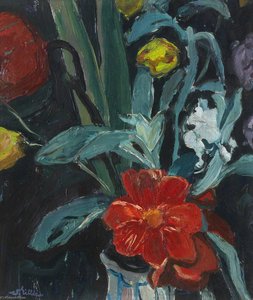
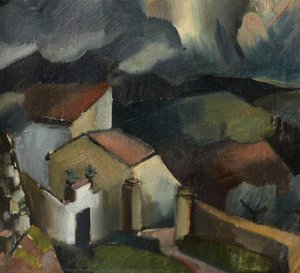
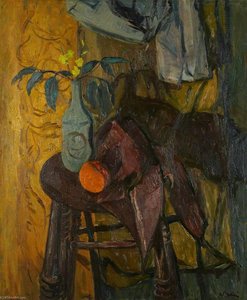
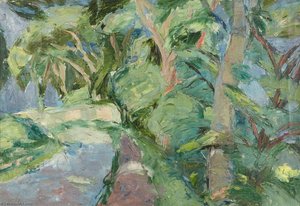
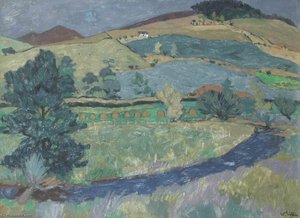
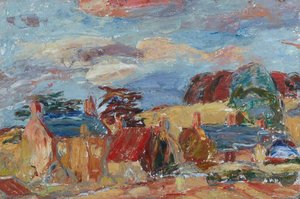
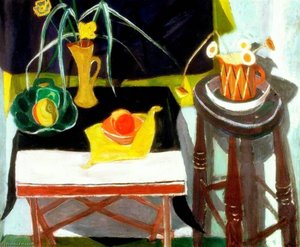
Gillies’ artistic focus centered primarily on two distinct yet interconnected themes: landscapes and still lifes. His depictions of the Lothian, Fife, and Border regions of Scotland are renowned for their sensitivity and evocative power. He possessed a remarkable ability to capture not just the visual appearance of these areas but also the essence of their character – the rugged beauty of the Highlands, the tranquility of the coastal villages, and the timeless quality of the Scottish countryside. Simultaneously, Gillies developed a profound interest in still life compositions, often featuring ceramics created by his younger sister, Emma Smith Gillies, whose untimely death in 1936 deeply affected him. These poignant still lifes, frequently imbued with a sense of melancholy and remembrance, stand as powerful testaments to the artist’s personal grief and artistic exploration. While he experimented with portraiture early in his career, landscapes and still lifes ultimately became the dominant subjects of his oeuvre.Recognition and Legacy
Throughout his distinguished career, Sir William George Gillies received numerous accolades recognizing his contributions to Scottish art. He was elected a Royal Academician (RA) in 1964, a prestigious honor signifying recognition within the broader British art world. In 1970, he was knighted, further cementing his place as a leading figure in the nation’s artistic heritage. Gillies served as Principal of the Edinburgh College of Art from 1959 until his retirement in 1966, leaving behind a legacy not only through his paintings but also through his influence on generations of students. His works are now held in prominent collections across Scotland and internationally, including the National Galleries of Scotland, demonstrating the enduring appeal and critical acclaim of his art. Sir William George Gillies remains a pivotal figure in 20th-century Scottish art – an artist whose evocative landscapes and poignant still lifes continue to resonate with audiences today.Вопросы и ответы
В какой исторический период работал(а) Уильям Джордж Гиллес?
Уильям Джордж Гиллес работал в период — Модернизм. Эта эпоха позволяет определить место творчества художника в истории.
Из какой страны Уильям Джордж Гиллес?
Уильям Джордж Гиллес родился в Великобритания.
Известен ли Уильям Джордж Гиллес под какими-либо другими именами или псевдонимами?
Уильям Джордж Гиллес также известен под другими именами: Сэр Уильям Джордж Гиллес, Уильям Гиллес.