

A Chronicle of Wonder: The American Museum of Natural History
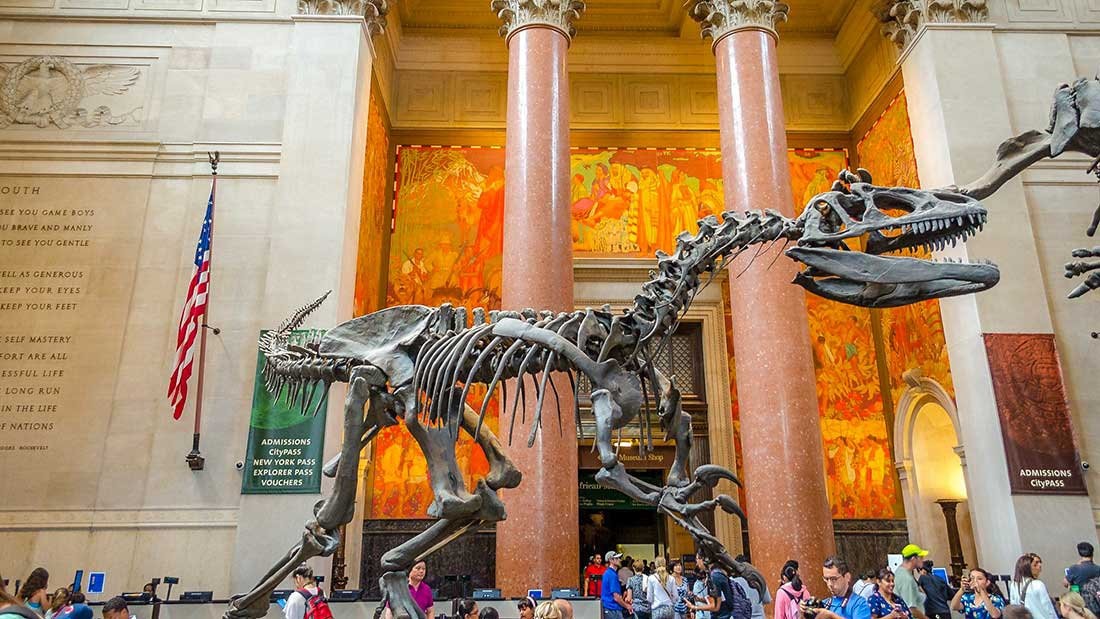
Stepping into the American Museum of Natural History is akin to embarking on a journey through time itself—a sprawling, breathtaking testament to humanity’s enduring fascination with the natural world and our place within it. More than simply a repository of specimens, the AMNH stands as a vibrant, living chronicle, meticulously assembled over centuries and radiating an almost palpable sense of discovery. Founded in 1869 by naturalist Albert S. Bickmore, driven by a profound belief that scientific knowledge should be freely accessible to all, the museum’s evolution has been as remarkable as its collection—a story etched into the very architecture of its twenty-one interconnected buildings. From its humble beginnings within Central Park's Arsenal, the AMNH blossomed through deliberate design, mirroring the boundless curiosity that fuels its mission. The initial Romanesque arches, a nod to the museum’s early commitment to classical scholarship, intertwine with Beaux-Arts grandeur, culminating in the Rose Center for Earth and Space’s futuristic silhouette—each edifice whispering tales of geological epochs and artistic innovation. This architectural tapestry isn't merely aesthetic; it’s a carefully orchestrated narrative mirroring the museum's own expansive story—a testament to both scientific rigor and the enduring human desire to understand our origins.
The sheer scale is humbling, inviting visitors to lose themselves in a labyrinth of wonders, from the colossal skeletons dominating the dinosaur halls to the delicate intricacies revealed within microscopic exhibits. The heart of this vast institution beats with an unwavering commitment to exploration – a legacy born from the pioneering expeditions of figures like Charles Robert Knight, who brought back marvels from the depths of the Amazon and the frozen landscapes of Antarctica. Knight’s evocative dinosaur paintings, transforming these ancient giants into tangible realities, remain a cornerstone of paleontological illustration, while James Lippitt Clark's stunning animal sculptures and groundbreaking wildlife filmmaking captured the essence of the natural world with unparalleled fidelity. Today, the museum continues to champion diverse voices and perspectives – as evidenced in exhibitions like “Shaping the Future Through Tradition,” featuring multimedia works by Indigenous artists – a powerful reminder of cultural preservation and artistic innovation.
The Hall of Ocean Life: A Submerged World
Descend into the Hall of Ocean Life, and you’ll be instantly transported to an underwater realm teeming with life. From colossal blue whales, dwarfing entire buildings, to shimmering coral reefs bursting with color, this hall showcases the astonishing diversity of marine ecosystems. The immersive exhibits don't merely display specimens; they recreate entire habitats, allowing visitors to feel enveloped by the mysteries of the deep. The meticulous attention to detail – from the realistic sounds of crashing waves to the carefully constructed artificial reefs – creates an unforgettable sensory experience. This isn’t just a museum exhibit; it’s a portal into a world often hidden from our view, highlighting the delicate balance of these environments and the urgent need for conservation efforts.
The Rose Center for Earth & Space: A Window to the Cosmos
Rising majestically above the museum’s sprawling grounds is the Rose Center for Earth and Space—a mesmerizing journey into astrophysics and cosmology. Designed by Michael Graves, the building's distinctive geodesic sphere dominates the skyline, inviting visitors to contemplate the scale of the universe and fostering a profound appreciation for our place within cosmic grandeur. Inside, interactive displays bring complex scientific concepts to life, allowing visitors to explore the formation of stars, the expansion of the universe, and the search for extraterrestrial life. The Hayden Planetarium, housed within the sphere, offers breathtaking views of the night sky—a truly unforgettable experience that ignites a sense of wonder and curiosity. The Rose Center isn’t simply an exhibition space; it's a hub for research and education, attracting scientists from around the world who contribute to our understanding of the cosmos. The center’s commitment extends beyond public displays, fostering a deeper engagement with scientific inquiry through lectures, workshops, and collaborative projects.
A Legacy in Stone and Paint: Architectural Echoes
The museum's architecture itself is a captivating work of art—a masterful blend of historical styles and modern design. The intricate detailing of the Beaux-Arts buildings, reminiscent of grand European palaces, speaks to the museum’s early commitment to classical scholarship and a sense of timeless elegance. Juxtaposed against this are the bold geometric forms of the Rose Center, a futuristic testament to human ingenuity and our ongoing quest to understand the universe. The natural light that floods the exhibition halls, carefully orchestrated through skylights and strategically placed windows, further enhances the visitor experience, creating an atmosphere of both grandeur and intimacy. The museum’s collections also offer a rich source of inspiration for art lovers – from ancient pottery to tribal textiles—providing insights into diverse cultural traditions and artistic techniques.
Beyond the Exhibits: A Living Institution
The American Museum of Natural History is more than just a collection of artifacts; it’s a dynamic institution dedicated to scientific research, education, and public engagement. The museum's scientists conduct groundbreaking studies in fields ranging from evolutionary biology to climate science, contributing to our understanding of the natural world and addressing critical environmental challenges. The AMNH also plays a vital role in preserving cultural heritage through its extensive collections of ethnographic objects and archaeological artifacts—offering insights into the diverse traditions and histories of peoples around the globe. The museum’s commitment extends beyond its physical walls, with outreach programs designed to inspire curiosity and promote scientific literacy among children and adults alike. From lectures and workshops to family-friendly events and digital resources, the AMNH strives to make science accessible to everyone.