


Baptistery of San Giovanni - A Timeless Treasure
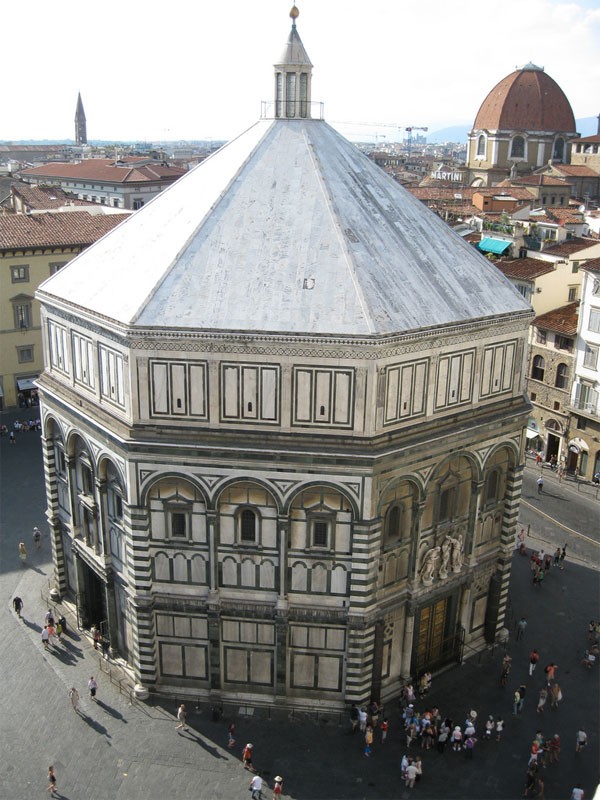
The Baptistery of San Giovanni stands proudly in Piazza Duomo, Florence’s heart, a testament to centuries of Florentine faith and artistic brilliance. More than just a church, it embodies the very genesis of the Renaissance—a crucible where pagan traditions fused with Christian devotion, shaping Western art as we know it.
Its origins trace back to Roman times, when this site housed a temple dedicated to Mars—a poignant reminder of Florence’s layered past. By the fourth century AD, Christians repurposed the ruins, initiating successive renovations that reflected the city's evolving power and artistic aspirations. Throughout the Middle Ages, it served as the focal point for civic life, hosting public gatherings and, crucially, baptisms—the sacred rite marking entry into the Christian faith.
The structure we admire today, consecrated in 1059, exemplifies Tuscan Romanesque architecture: harmonious proportions, geometric precision, and a masterful blend of classical ideals. However, its true magnificence resides within its artistic treasures – mosaics crafted by masters like Jacopo Torriti and Andrea Pisano—narratives of Genesis and Exodus transporting viewers to another realm.
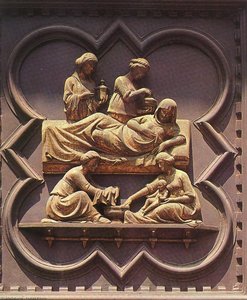
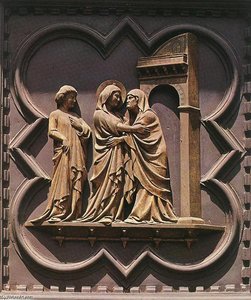
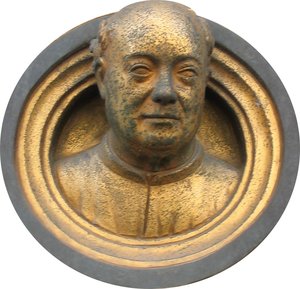
But it is Lorenzo Ghiberti’s “Gates of Paradise,” commissioned in 1403, that truly captivates the imagination. The competition for their design launched Michelangelo's career, yet Ghiberti prevailed, creating a masterpiece redefining Renaissance sculpture. Each panel embodies unparalleled skill, depicting biblical scenes with astonishing realism and expressive power—a portal into profound theological contemplation.
Visiting the Baptistery is not merely observing a magnificent building; it’s embarking on a journey through Florentine history, faith, and artistic brilliance – a pilgrimage to the birthplace of the Renaissance itself. Its enduring legacy continues to inspire artists and scholars today.
The Gates of Paradise
Lorenzo Ghiberti's “Gates of Paradise,” completed in 1424, represent the pinnacle of Florentine sculpture during the Early Renaissance. The commission sparked a fierce rivalry between Ghiberti and Brunelleschi—a clash of artistic visions that cemented Ghiberti’s reputation as a genius.
Each panel meticulously portrays scenes from the Old Testament with breathtaking detail and emotional depth, utilizing innovative techniques to achieve unprecedented realism. The bronze doors are adorned with intricate geometric patterns and gilded surfaces—a testament to Florentine craftsmanship and artistic ambition.
The Gates of Paradise’s symbolism speaks volumes about Renaissance humanist ideals – a celebration of human dignity and intellect alongside reverence for divine grace. They stand as an enduring emblem of Florence's contribution to Western art history, captivating visitors with their beauty and intellectual richness.
Mosaic Artistry
The Baptistery’s interior walls are adorned with mosaics crafted by Byzantine masters and Florentine artists alike—a shimmering tapestry of biblical narratives that illuminate the spiritual heart of Christendom. These vibrant depictions transport viewers to another realm, inviting contemplation on themes of creation, redemption, and divine providence.
Notable mosaics include those depicting scenes from Genesis and Exodus—executed with exceptional skill and artistry—demonstrating the mastery of Florentine craftsmen in utilizing tesserae—tiny pieces of colored stone—to create stunning visual effects. The mosaics’ luminosity and chromatic harmony contribute to an atmosphere of solemn reverence, reflecting the spiritual significance of the Baptistery.
Architectural Significance
The octagonal plan of the Baptistery reflects the cosmic order believed to govern creation—a deliberate attempt to embody divine harmony and grandeur. Its exterior façade is clad in white Carrara marble and green Prato marble, adorned with geometric designs that exemplify Tuscan Romanesque architecture.
Inside, soaring columns support vaulted ceilings, creating an atmosphere of solemn reverence—a testament to Florentine engineering prowess and artistic vision. The Baptistery’s architectural design serves as a powerful reminder of Florence's role in shaping Western art history—a masterpiece of Romanesque grandeur that continues to inspire awe and admiration.
Historical Context
The Baptistery witnessed pivotal moments in Florentine history – from papal processions to civic celebrations—serving as the focal point for religious and political life throughout the centuries. Its walls have echoed with the voices of artists, theologians, and rulers—witnesses to Florence’s transformative journey from medieval commune to Renaissance powerhouse.
UNESCO recognized the Baptistery's significance in 1982 as part of the Historic Centre of Florence – a testament to its enduring cultural heritage. Today, it welcomes millions of visitors annually—a pilgrimage site for art lovers and historians alike—preserving the legacy of Florence’s artistic zenith.