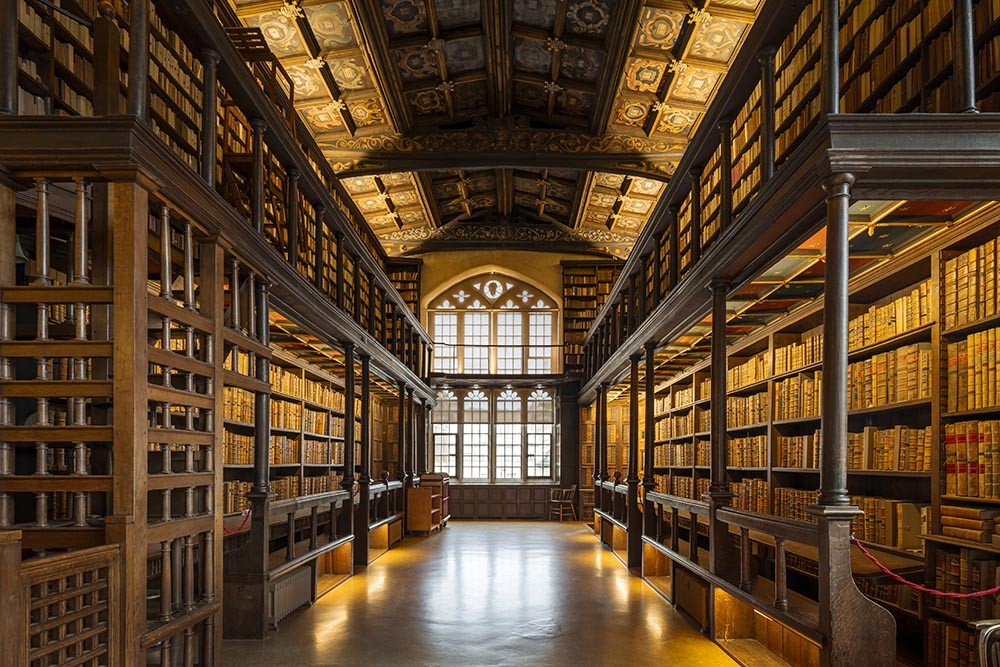




The Bodleian: A Sanctuary of Knowledge and Artistic Echoes
Stepping through the grand oak doors of the Bodleian Libraries in Oxford is akin to entering a living, breathing chronicle – a tangible connection to over four hundred years of scholarship, artistic endeavor, and the relentless pursuit of knowledge. More than simply repositories for books, these hallowed halls represent an unbroken chain of learning, meticulously cultivated since Sir Thomas Bodley’s visionary founding in 1602. The complex itself is a breathtaking testament to architectural evolution, a layered tapestry woven from styles spanning centuries; from the remarkably preserved vaulted ceilings of Duke Humfrey's Library – designed not merely for aesthetic grandeur but to foster an environment conducive to deep contemplation and focused study – to the classical influences embraced by the Schools Quadrangle, reflecting Oxford’s deliberate shift towards accessibility and practicality. The very air hums with the echoes of countless minds wrestling with ideas, debating theories, and shaping the course of Western thought; a palpable sense of intellectual energy mingles with the scent of aged paper and leather-bound volumes, creating an atmosphere both reverent and profoundly inspiring – a true haven for those seeking knowledge and beauty. It’s a space where history isn't just read, but felt, breathed in through the weight of centuries.
The Bodleian’s origins lie in Sir Thomas Bodley’s ambition to establish a library worthy of Oxford University. A diplomat and collector, he envisioned a space that would rival those of Europe’s leading institutions, fostering intellectual exchange and the preservation of classical learning. His initial collection, largely comprised of Greek and Roman texts – painstakingly gathered during his travels across Europe – laid the foundation for what would become one of the world’s most significant libraries. This early focus on antiquity shaped the Bodleian's enduring commitment to safeguarding ancient knowledge and fostering a deep appreciation for its cultural significance. The library quickly grew, attracting scholars from across the continent, transforming Oxford into a vibrant center of intellectual activity.
Architectural Layers: A Journey Through Time
The library’s structure is a remarkable blend of styles, reflecting its evolving history and purpose. Duke Humfrey's Library, with its soaring vaulted ceilings – supported by magnificent oak ribs that seem to reach for the heavens – embodies the Gothic ideal of scholarly contemplation. The light filtering through the stained-glass windows casts an ethereal glow upon the shelves, creating a space that feels both ancient and timeless; it’s designed not just to house books but to inspire a sense of awe and reverence. The Schools Quadrangle, built in the 17th century, represents a shift towards greater accessibility and practicality, incorporating classical elements – columns, arches, and symmetrical facades – to create a more welcoming space for students and researchers. This deliberate design reflected Oxford’s evolving intellectual landscape, moving away from the more enclosed spaces of earlier libraries and embracing a spirit of open inquiry. The Radcliffe Camera, a magnificent circular building completed in 1683, stands as a testament to Baroque elegance and serves as a vital reading room – its dome offering breathtaking views of the city.
Treasures Within: Manuscripts, Maps, and Artistic Masterpieces
At the heart of the Bodleian’s extraordinary collection lies its unparalleled assemblage of manuscripts – vibrant windows into the past, illuminated with exquisite detail that speaks to pivotal moments in history. Imagine holding a Shakespeare Folio, feeling the weight of Elizabethan theatre and culture pulsing through its pages – a testament to the transformative power of visual storytelling. Equally compelling is the remarkable collection originating from J.R.R. Tolkien, offering an unprecedented glimpse into the creative process behind Middle-earth, a profound exploration of imagination and narrative craft. Beyond these iconic pieces, countless first editions, incunabula (books printed before 1501), ancient maps charting forgotten territories, Renaissance portraits capturing the essence of bygone eras, and historical artifacts whispering tales of empires and revolutions populate the collection – an unparalleled resource for scholars and researchers worldwide. The sheer breadth and depth are staggering, a testament to the Bodleian’s enduring commitment to preserving and celebrating human knowledge. Don't miss the meticulously crafted illuminated manuscripts, showcasing the artistry of medieval scribes and illuminators; these aren't merely texts but miniature masterpieces, each page a vibrant narrative in itself.
A Legacy Forged in Patronage & Contemporary Echoes
The Bodleian’s influence extends far beyond its walls, shaping scholarship, inspiring creativity, and serving as a vital center for learning – a true testament to the enduring power of knowledge and the importance of preserving our shared cultural heritage. The library regularly hosts exhibitions exploring diverse themes within its collection, from Renaissance art and Shakespearean performance to the artistry of bookbinding. Consider *Jewish Bride* (1642) by Rembrandt van Rijn, a poignant portrait capturing human emotion; or *Portrait of a Lady with a Lap Dog* (c. 1649), a masterful study of light and form. The library also holds the remarkable self-portraits of Isaac Fuller, reflecting his innovative approach to portraiture during the 17th century. Furthermore, exploring the illuminated manuscripts – such as those created by Ursula von Rydingsvard – offers a fascinating connection to both historical and modern artistic traditions. A particular highlight is Isaac Fuller’s work, showcasing his innovative techniques in portraiture during the 17th century. The Bodleian's commitment to safeguarding its collection is underscored by the Reader’s Declaration—a solemn oath recited annually by new visitors, mirroring a tradition rooted in valuing knowledge as sacred.
Today, the Bodleian continues to evolve, embracing digital technologies and expanding its reach through initiatives like the Digital Bodleian project. This ambitious undertaking aims to make the library's vast collection accessible to scholars and enthusiasts worldwide, ensuring that these treasures are preserved for future generations. The Bodleian remains a vibrant hub of learning, research, and artistic inspiration – a testament to the enduring power of human curiosity and the pursuit of knowledge.


