


A Sanctuary of Sculpture: Exploring the Ny Carlsberg Glyptotek
Nestled within the vibrant heart of Copenhagen, a city renowned for its design sensibilities and artistic spirit, lies the Ny Carlsberg Glyptotek – a museum that transcends the typical confines of a gallery space. More than simply a repository of ancient art, it’s an immersive experience, a journey through millennia of human creativity housed within a building as captivating as the treasures it safeguards. Founded in 1888 by Carl Jacobsen, son of the legendary founder of Carlsberg Brewery, the Glyptotek began as his personal collection of antiquities, meticulously assembled over decades and fueled by a profound appreciation for the beauty and power of sculpture. This private passion blossomed into a public institution, a testament to Jacobsen’s vision of sharing this extraordinary legacy with the world.
The museum's core strength resides in its remarkably comprehensive collection of ancient Mediterranean art – primarily Greek and Roman sculptures. Visitors are immediately transported back to the classical world, encountering masterpieces that have endured centuries of history. The Glyptotek’s curators have painstakingly curated a selection showcasing iconic figures like Rodin—his monumental bronze sculptures dominate the Dahlerup Wing, offering visitors an unparalleled opportunity to contemplate artistic genius. Alongside these impressive works stand treasures from Egypt – sarcophagi adorned with intricate hieroglyphs and vibrant pigments whisper tales of pharaohs and afterlife beliefs. The Glyptotek’s Egyptian collection is particularly poignant, prompting reflection on mortality and spirituality.
A Building of Layers: Architecture and Design
The Glyptotek’s architecture is as integral to its appeal as the art it houses. Designed by Vilhelm Dahlerup and later expanded by Hack Kampmann, the building represents a fascinating synthesis of styles – a harmonious blend of historicist grandeur and understated elegance. The original Dahlerup Wing, constructed in 1888, evokes the spirit of Venetian Renaissance palaces, with its imposing façade of red brick and polished granite columns. This section provides a dramatic introduction to the museum’s collection, guiding visitors into a world of classical beauty. Light floods through arched windows, illuminating sculptures bathed in soft hues—a deliberate aesthetic choice reflecting Jacobsen's desire for harmony between art and space.
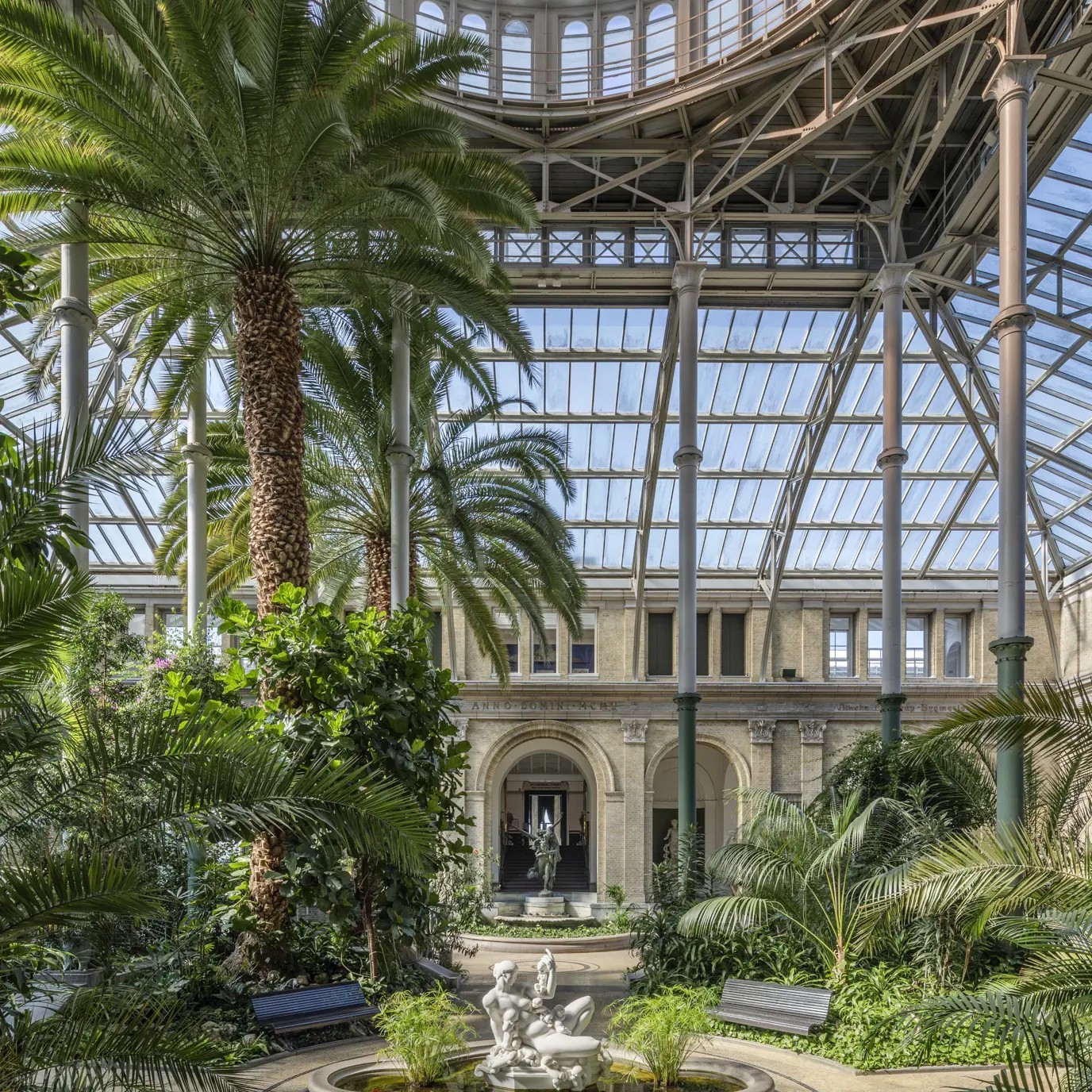
The subsequent Kampmann Wing, built in 1906, offers a more restrained yet equally refined aesthetic, reflecting the principles of Neo-Classicism. Its symmetrical design emphasizes order and balance, mirroring the ideals of Enlightenment thought. The crowning glory is undoubtedly the Winter Garden – a breathtaking space filled with lush greenery, cascading water features, and soaring ceilings, creating an oasis of tranquility within the museum’s walls. This verdant sanctuary serves as a counterpoint to the monumental sculptures, inviting contemplation and fostering a connection with nature—a deliberate juxtaposition that underscores Jacobsen's belief in the transformative power of art.
Echoes of Carlsberg: A Unique Historical Context
It’s impossible to discuss the Glyptotek without acknowledging its deeply intertwined history with the Carlsberg Brewery. Carl Jacobsen’s initial vision was rooted in his family’s brewing empire, and the museum served as a personal expression of his artistic sensibilities. The brewery's influence is still palpable today, evident in the building’s layout—particularly the Kampmann Wing—and the ongoing commitment to preserving and expanding the collection. Visitors can stroll past Jacobsen House Brewery, now a popular destination for beer enthusiasts, located just steps from the museum itself—a tangible reminder of the family’s legacy and their unwavering dedication to cultural patronage.
Exhibitions and Events: A Dynamic Cultural Hub
The Ny Carlsberg Glyptotek is far from a static institution. It regularly hosts a diverse range of exhibitions, showcasing both permanent collections and temporary displays featuring artists and artworks from around the world. Recent shows have explored themes ranging from Impressionism to Surrealism, prompting visitors to reconsider familiar masterpieces through fresh perspectives. Furthermore, lectures by renowned art historians and concerts featuring classical music enrich the museum’s cultural offerings—creating an engaging atmosphere that extends beyond the galleries themselves. The auditorium, originally designed by Hack Kampmann, serves as a versatile space for these activities, fostering a vibrant community of scholars and artists.
Ultimately, the Ny Carlsberg Glyptotek invites visitors to embark on a profound journey – one that celebrates artistic brilliance across eras and encourages contemplation about humanity’s enduring fascination with beauty. It stands as a testament to Carl Jacobsen's visionary philanthropy and Copenhagen’s commitment to preserving cultural heritage—a sanctuary for the soul where art speaks volumes and inspires wonder.