
A Window into Western Masterpieces: The National Museum of Western Art in Tokyo
Nestled within the tranquil embrace of Ueno Park, a vibrant hub of culture in Tokyo, lies the National Museum of Western Art (NMWA) – a truly remarkable institution. More than just a repository for art, it’s a testament to Japan's evolving relationship with European artistic traditions and a stunning architectural statement by the legendary Le Corbusier. Established in 1959, largely through the visionary efforts of Kōjirō Matsukata, the museum was conceived as a space where Western art could be readily accessible to all, fostering a deeper appreciation for its historical context and cultural significance. Today, the NMWA offers an immersive journey spanning centuries of artistic expression, from the opulent grandeur of the Renaissance to the groundbreaking experimentation of the early 20th century – a remarkable achievement considering Japan’s relatively late entry into the world of Western art.
A Collection Shaped by Vision and Passion
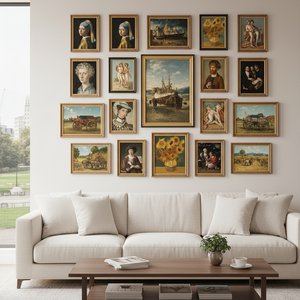
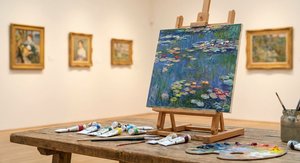
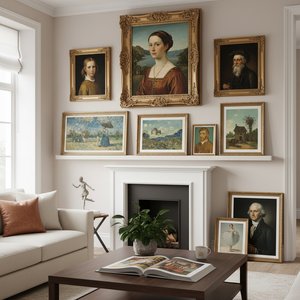
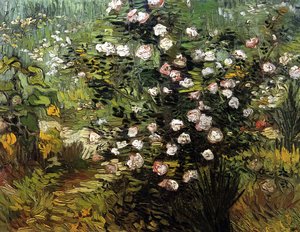
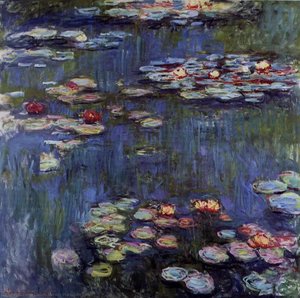
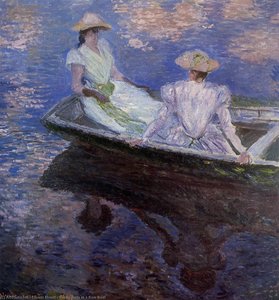
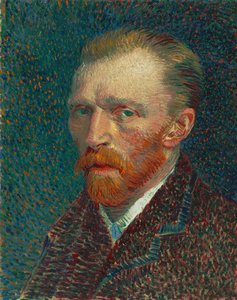
The NMWA's collection is a carefully curated narrative, meticulously assembled under Matsukata’s guiding hand. Initially focused on Impressionism, the museum has grown to encompass approximately 6,000 works, representing a rich tapestry of European art from the 14th century through the early 20th. The heart of the collection beats with Renaissance masterpieces – the dramatic compositions of Veronese, the dynamic energy of Rubens, and the captivating landscapes of Brueghel, offering glimpses into the religious fervor and humanist ideals that defined this transformative era. Equally significant is the museum’s impressive array of French masters: Delacroix's passionate brushstrokes, Courbet's unflinching realism, and Monet’s revolutionary exploration of light and color profoundly influenced generations of artists. And, perhaps most famously, the NMWA boasts one of the most substantial collections of Van Gogh’s works outside the Netherlands – a treasure trove including the iconic “Sunflowers,” a poignant symbol of the artist's enduring legacy.
A Building as Art: Le Corbusier’s Masterpiece
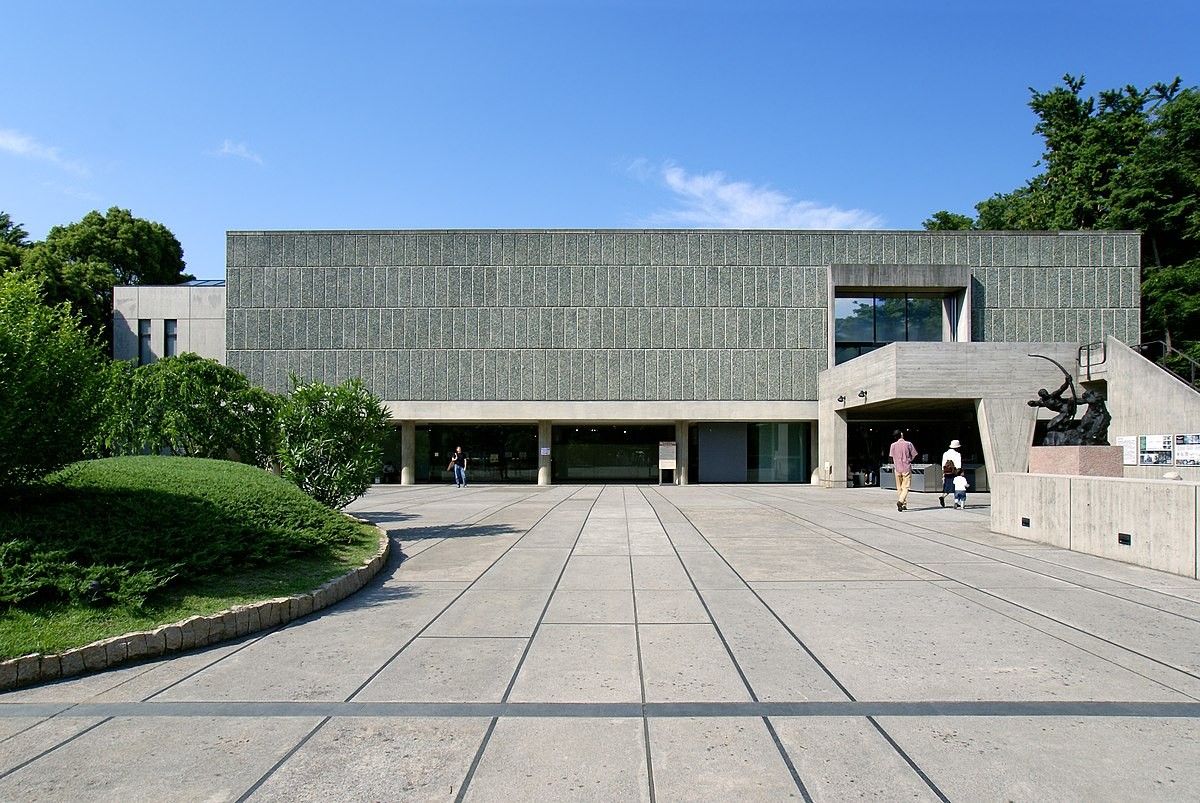
The architecture of the NMWA is inseparable from its artistic mission. Designed by the Swiss-French architect Le Corbusier, it stands as an arresting example of modernist design – a bold departure from traditional Japanese aesthetics. The building's soaring concrete structure, characterized by its distinctive cantilevered roof and expansive windows, immediately commands attention. More than just a visually striking landmark, this architectural marvel was deliberately conceived to create a sense of spaciousness and light, perfectly complementing the artworks housed within. Le Corbusier’s design isn’t merely decorative; it's integral to the entire experience, symbolizing a deliberate break from established norms and reflecting the museum’s commitment to showcasing art that transcends geographical boundaries. Recognized by UNESCO as part of Le Corbusier’s Architectural Work, the NMWA represents a pivotal moment in Japan’s post-war reconstruction and its embrace of international cultural exchange.
Moments of Artistic Dialogue: Exhibitions and Global Connections
Beyond its permanent collection, the NMWA is renowned for its dynamic exhibition program. Throughout the year, the museum hosts special exhibitions that frequently bring together works from prestigious institutions around the globe, fostering a vibrant dialogue between artists and audiences. A particularly notable example is the 1963 retrospective of Marc Chagall’s oeuvre, uniting pieces from fifteen countries – an ambitious undertaking that cemented the NMWA's reputation as a leading center for Western art. More recently, in January 2019, the museum welcomed over sixty paintings from the National Gallery, London, including Vincent van Gogh’s “Sunflowers,” offering visitors an unparalleled opportunity to experience these masterpieces firsthand and further solidifying Japan’s place within the global art community.
A Legacy of Understanding and Innovation
The NMWA's significance extends far beyond its collection and exhibitions. It remains a vital institution, not just for art lovers but also as a bridge between cultures and a beacon of artistic innovation. Dedicated to promoting understanding, appreciation, and critical engagement with Western art for generations to come, the museum continues to evolve, adapting to contemporary needs while steadfastly upholding its founding principles. The NMWA stands as a powerful reminder of Japan’s growing recognition of the value of European artistic heritage and its commitment to fostering a deeper connection between cultures – a truly remarkable achievement within the heart of Tokyo.