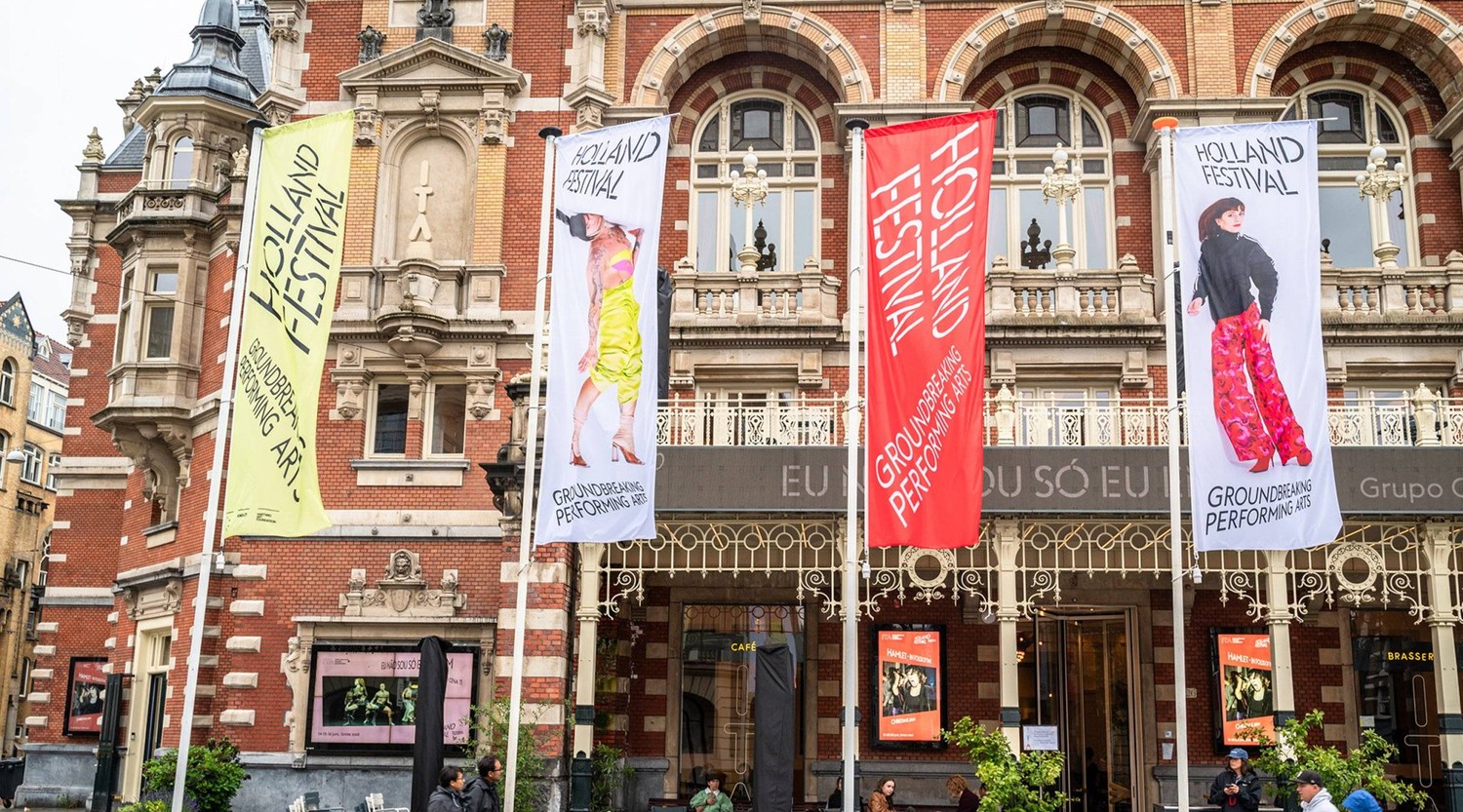
Holland Festival: A Beacon of Artistic Innovation
The Holland Festival stands as a testament to Dutch cultural resilience—a vibrant celebration born from the ashes of World War II and continuing its legacy of groundbreaking artistic exploration. Established in 1947, this annual event nestled in Amsterdam isn’t merely about performances; it's an immersive experience where tradition dances with contemporary vision, cementing its position as the oldest international performing arts festival in the Netherlands. More than just a series of concerts and theatrical productions, it embodies a profound commitment to fostering dialogue between disciplines—music, theatre, dance, multimedia, visual art, film, and architecture—creating a space for artists and audiences alike to engage in critical reflection.
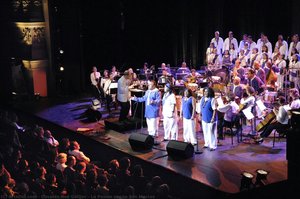
From its formative years focused on rebuilding national identity through artistic expression, the festival swiftly gained international acclaim for daring programming. Landmark moments included introducing Maria Callas to Dutch audiences – an audacious undertaking that instantly established Holland Festival’s reputation for showcasing exceptional artistry – and a monumental symphonic tribute to Frank Zappa, reflecting the festival's willingness to embrace diverse musical landscapes after previous unsuccessful attempts at securing his participation. Over time, the scope of the festival broadened beyond conventional boundaries, attracting new audiences and solidifying its role as Amsterdam’s cultural epicenter.
### Amsterdam Venues: A Stage for Creativity
The city itself plays an integral part in shaping Holland Festival's atmosphere—a carefully curated juxtaposition of historic grandeur and modern dynamism. Performances unfold across iconic venues like the City Theatre and Opera House, providing a fitting backdrop for classic productions steeped in tradition; the Concertgebouw and Muziekgebouw concert halls resonate with musical brilliance, showcasing both established masters and emerging talents; and the Westergas factory site—a former industrial complex reborn as an artistic hub—offers a more unconventional setting where history blends seamlessly with contemporary chic. This deliberate selection of spaces mirrors the festival’s ethos: a harmonious blend of heritage and innovation.
### Celebrating Artistic Dialogue: A Commitment to Experimentation
What distinguishes Holland Festival from other cultural events is its unwavering dedication to artistic excellence and intellectual curiosity. It champions risk-taking, empowering artists to push boundaries and challenging conventions—a core principle that extends beyond the performances themselves. The festival fosters a sense of community among performers, critics, and visitors alike, encouraging open discussion and fostering an environment where ideas flourish. Holland Festival isn’t simply about witnessing art; it's about experiencing it fully—embarking on a transformative journey into the heart of creativity.
### Additional Research: Expanding Horizons
The festival’s evolution reflects Amsterdam’s own dynamic cultural landscape. Collaborations with institutions like AMS-IX – Europe’s largest Internet Exchange – underscore its commitment to technological innovation and accessibility, ensuring that performances reach audiences far beyond the city limits. Furthermore, initiatives such as EarFuel, EyeFuel, and MindFuel actively engage new demographics, broadening Holland Festival's influence and reinforcing its position as a catalyst for artistic breakthroughs. The festival continues to inspire artists and captivate audiences worldwide—a beacon of cultural renewal illuminating Amsterdam’s vibrant spirit.