A Citadel of Catalan Soul: Exploring the Museu Nacional d'Art de Catalunya
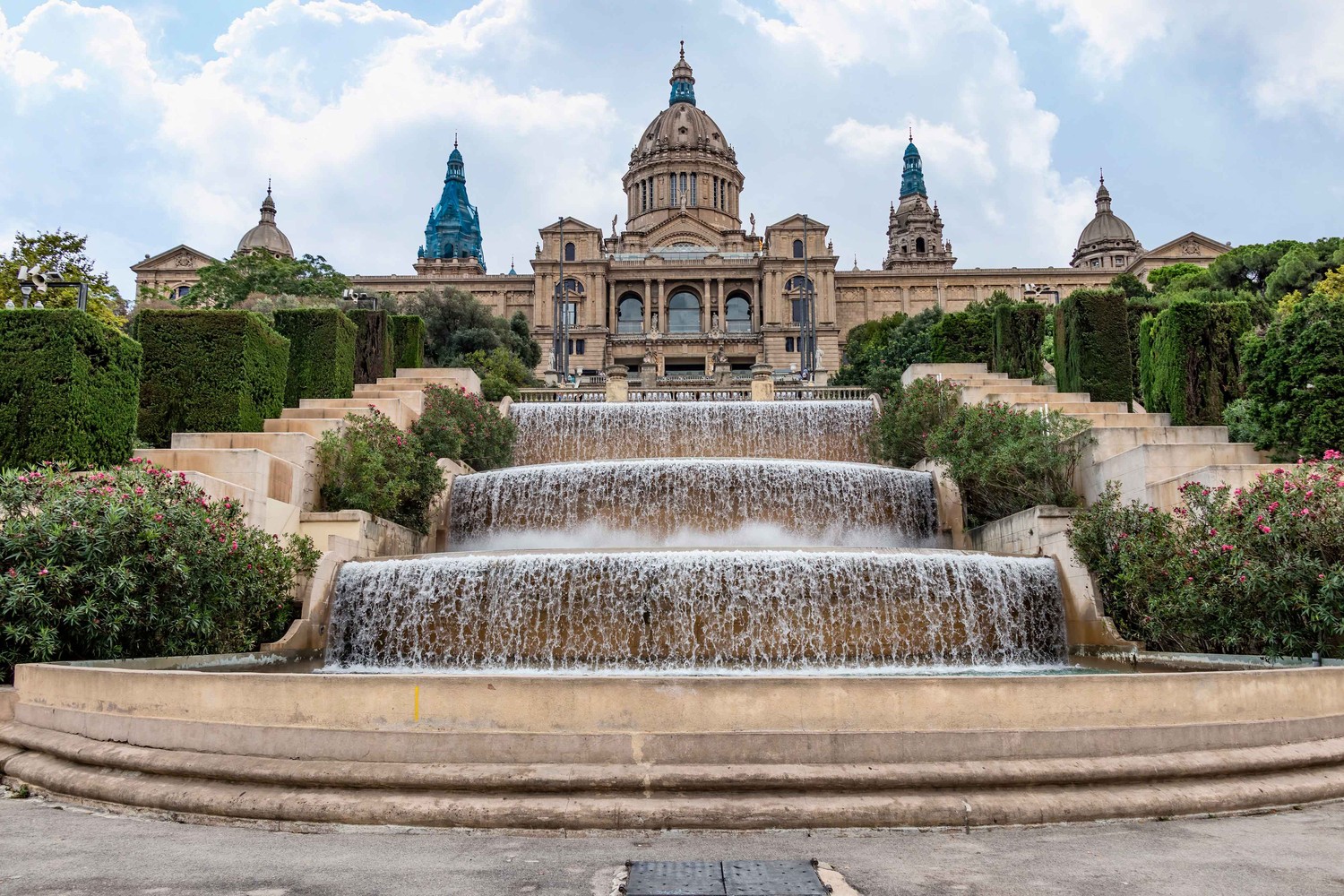
Perched majestically on Montjuïc hill overlooking Barcelona, the Museu Nacional d’Art de Catalunya – MNAC – is far more than a repository of artistic treasures; it’s a profound statement of cultural identity. The very stones of its home, the Palau Nacional, whisper tales of ambition and artistry, originally conceived as the centerpiece for the 1929 International Exposition. Designed by Josep Puig i Cadafalch, the palace embodies a deliberate grandeur, a Beaux-Arts style chosen to showcase Catalonia’s sophistication on the world stage. Ascending towards it, one is immediately struck by its imposing façade, adorned with intricate sculptures and mosaics that hint at the richness within – a testament to a bygone era of Catalan pride and artistic aspiration. But beyond this architectural splendor lies an even greater reward: panoramic vistas of Barcelona unfolding below, a constant reminder of the city’s vibrant spirit which permeates every gallery, connecting the past to the present in a breathtaking panorama. The building itself underwent significant renovation for the 1992 Olympic Games, breathing new life into its halls and preparing it to safeguard Catalonia’s artistic legacy for generations to come – a testament to the enduring importance of preserving cultural heritage.
-
Architectural Grandeur:
The Palau Nacional, built for the 1929 International Exposition, is itself a masterpiece of Catalan architecture, blending classical influences with distinctly local stylistic elements. Its soaring columns, elaborate ornamentation, and expansive terraces offer stunning views of the city – a visual prelude to the artistic treasures within.
-
A Symbol of Catalan Identity:
For decades, the MNAC has served as a powerful symbol of Catalan identity, showcasing the region’s rich artistic heritage and fostering a sense of pride among its citizens. It stands as a tangible reminder of Catalonia's unique cultural trajectory.
Romanesque Reverie: A Journey Through Medieval Visions
The MNAC is internationally renowned for possessing arguably the finest collection of Romanesque church paintings in the world. Stepping into these galleries feels like entering a sacred space, transported back to 12th and 13th century Catalonia. These frescoes weren’t created as isolated artworks; they were painstakingly rescued from churches scattered across the region – fragments of devotion salvaged from time and circumstance. Each *ambit*, carefully delineated within a fresco cycle, unfolds biblical narratives with an astonishing vibrancy of color and expressive power. The figures aren't merely representations but embody a fervent spirituality, their faces etched with emotion and conviction. The meticulous detail isn’t simply aesthetic; it’s deeply symbolic, offering glimpses into the daily life, beliefs, and anxieties of medieval Catalans – from scenes of harvest and celebration to depictions of judgment and salvation. These artworks are not just beautiful objects; they are windows into a world shaped by faith, community, and artistic innovation—a testament to an era where art was inseparable from worship. The collection’s scale is truly remarkable, encompassing over 200 frescoes, each telling a story and revealing the artistic skill of anonymous monks and artists who dedicated their lives to illuminating these sacred spaces.
Key Features:
-
Biblical Narratives:
Explore iconic scenes from the Old and New Testaments rendered with remarkable detail and emotional intensity.
-
Fragmented Beauty:
Admire the ingenuity of preserving and restoring these frescoes, each a testament to the dedication of medieval artisans.
-
Symbolic Richness:
Decipher the layers of symbolism embedded within each fresco, offering insights into medieval Catalan society and beliefs.
The Dawn of Modernity: Catalan Art Nouveau and Beyond
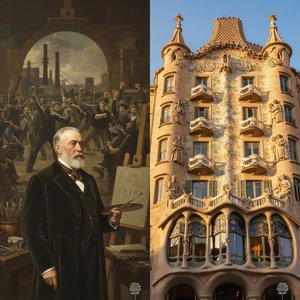
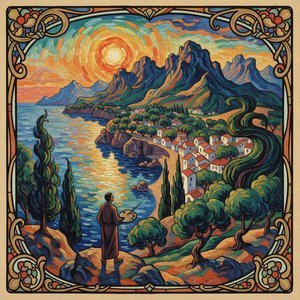
As one moves forward in time within the museum’s walls, the spirit of Catalonia continues to evolve, reaching its zenith in the late 19th and early 20th centuries with the rise of *Modernisme*. This movement, Catalonia’s unique interpretation of Art Nouveau, exploded with creativity across architecture, painting, sculpture, and decorative arts. The MNAC’s collection showcases masters like Antoni Gaudí – whose visionary genius is exemplified in structures such as Sagrada Família and Park Güell –, Ramon Casas, capturing the essence of Catalan rural life with evocative landscapes, and Santiago Rusiñol, delving into psychological complexity through haunting portraits. These artists weren't simply imitating trends; they were rejecting academic conventions, embracing new materials and techniques, and forging a distinctly Catalan aesthetic—one characterized by organic forms, flowing lines, and a deep connection to the natural world. The museum doesn’t shy away from showcasing the subsequent *Noucentisme* movement either, offering a comprehensive view of Catalonia's artistic evolution during this transformative period – a reaction against Modernism that sought to return to classical ideals while retaining Catalan identity. The juxtaposition of these styles reveals a fascinating dialogue between tradition and innovation, reflecting the complex social and political landscape of early 20th-century Catalonia.
Notable Artists:
-
Antoni Gaudí:
Witness the unparalleled genius of Barcelona’s most iconic architect through his influence on both architecture and decorative arts.
-
Ramon Casas:
Immerse yourself in the vibrant world of Catalan rural life, captured with exquisite detail and emotional depth.
-
Santiago Rusiñol:
Explore the darker side of human experience through Rusiñol’s haunting portraits and landscapes.
A European Dialogue: The Thyssen-Bornemisza Collection
Complementing MNAC’s core Catalan holdings is the remarkable Thyssen-Bornemisza Collection, a treasure trove of European paintings spanning the 19th and early 20th centuries. This addition broadens the museum’s scope, allowing visitors to trace the artistic currents that influenced Catalonia while simultaneously appreciating masterpieces from across the continent. Here, one encounters Impressionist luminaries like Monet and Renoir, Post-Impressionist visionaries such as Cézanne and Van Gogh, and Symbolist masters including Moreau and Klimt. The diversity of this collection reflects a period of intense intellectual ferment—a time marked by scientific breakthroughs, social upheaval, and a renewed appreciation for beauty and emotion. By juxtaposing these European works with the Catalan masterpieces, MNAC fosters a deeper understanding of artistic exchange and the interconnectedness of cultural movements – highlighting how Catalonia’s artists were both influenced by and contributed to the broader European art scene.
Highlights:
-
Impressionism & Post-Impressionism:
Discover iconic works by Monet, Renoir, Cézanne, Van Gogh, and other masters of these revolutionary movements.
-
Symbolist Visions:
Explore the evocative imagery and psychological depth of Symbolist paintings by Moreau and Klimt.
A Living Legacy: The Enduring Significance of MNAC
The Museu Nacional d'Art de Catalunya is far more than just an art museum; it’s a guardian of Catalonia’s cultural identity—a place where visitors can reconnect with the past while contemplating its enduring relevance to the present. Through ongoing exhibitions that explore themes ranging from Catalan history and society to contemporary artistic trends, MNAC ensures its continued vitality as a center for scholarship and inspiration. The building itself, with its stunning views and rich architectural heritage, serves as a powerful symbol of Catalan pride. A visit here is an invitation to immerse oneself in the captivating narrative of Catalan art—a story woven through centuries of innovation, passion, and unwavering devotion to beauty. It’s a journey that resonates long after one descends from Montjuïc hill, carrying with them a deeper appreciation for the artistic soul of Catalonia.