



A Venetian Reverie: Exploring the Isabella Stewart Gardner Museum
Stepping through the grand doors of the Isabella Stewart Gardner Museum is not merely entering a building; it’s embarking on a deeply personal journey, a deliberate immersion in beauty and history orchestrated by its visionary founder, Isabella Stewart Gardner herself. Located in the heart of Boston's Fenway neighborhood, this isn’t your typical museum – it’s an experience, a carefully constructed environment designed to evoke a sense of intimate grandeur reminiscent of a 15th-century Venetian palace. More than simply housing a collection of art, the Gardner Museum embodies Isabella’s lifelong dream: a sanctuary where art and spirit intertwine, fostering contemplation and inspiring connection.
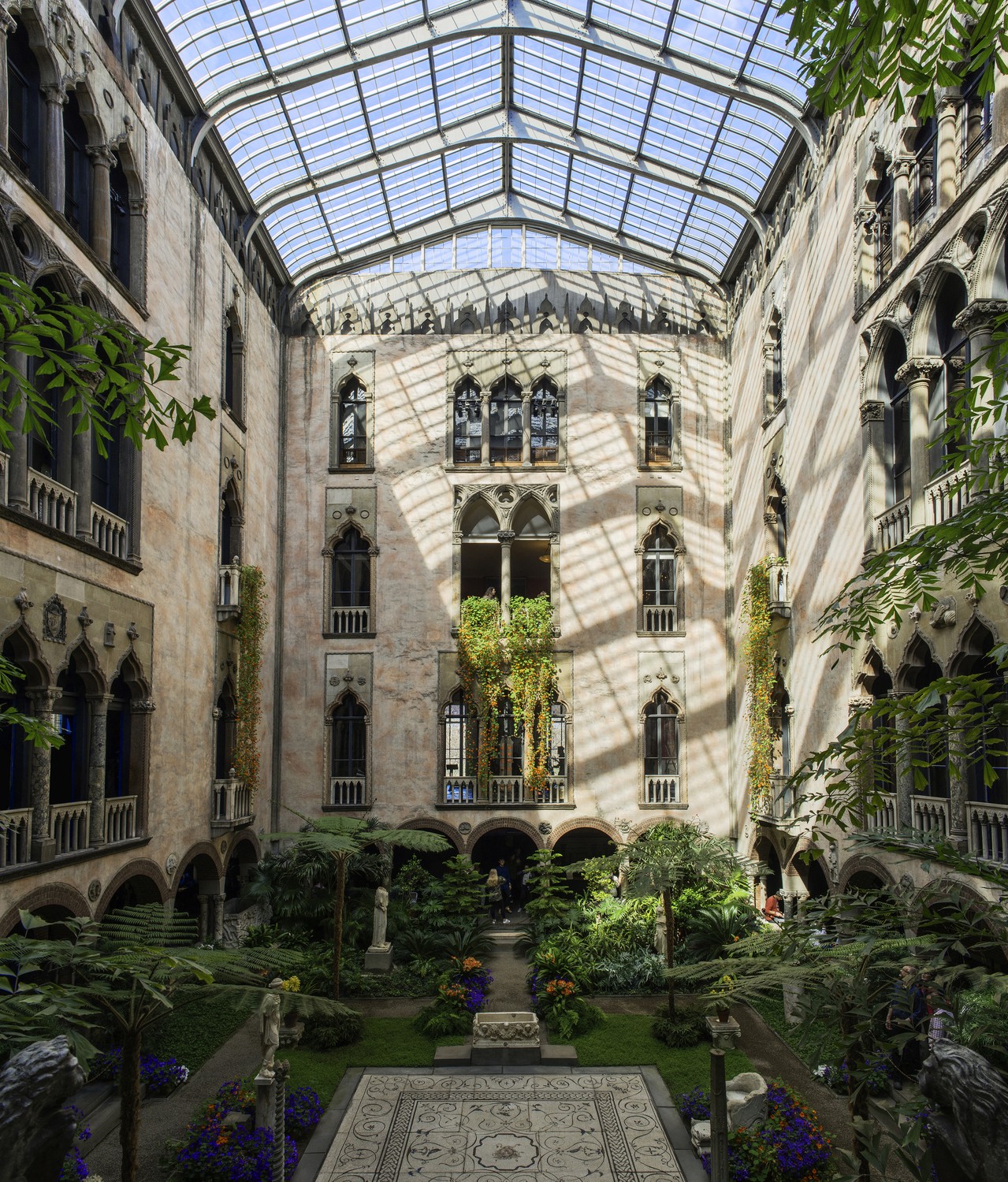
The museum's architecture is immediately arresting. Willard T. Sears, under Isabella’s meticulous direction, masterfully replicated the design of a Venetian palace – complete with soaring arches, intricate detailing carved from local Quincy granite, and a central courtyard bathed in natural light. This deliberate choice wasn’t simply aesthetic; it reflected Isabella’s profound admiration for Venice, a place she visited repeatedly throughout her life and considered a sanctuary for artistic inspiration. The play of light through the arched windows, the cool solidity of the granite – every element speaks to a conscious desire to recreate a space that mirrored her beloved city. The arrangement of artworks within the galleries is equally intentional, a carefully orchestrated dialogue between disparate periods and cultures—a vibrant tapestry woven together by Gardner’s discerning eye. You won't find rigid chronological displays here; instead, you'll discover connections, resonances, and a sense of harmonious juxtaposition that speaks to the museum’s unique character. The building itself feels less like a repository for objects and more like a living, breathing space saturated with artistic intention.
A Kaleidoscope of Artistic Treasures
The collection at the Isabella Stewart Gardner Museum is remarkably diverse, spanning centuries and continents. While European paintings form the cornerstone of its holdings – boasting masterpieces by Rembrandt, Botticelli, Titian, Degas, Manet, and El Greco – the museum’s true strength lies in its significant and often overlooked collections of Asian art. Here, you'll find exquisite Chinese porcelain, each piece a testament to centuries of meticulous craftsmanship; meticulously crafted Japanese woodblock prints, capturing fleeting moments of beauty and narrative; and a captivating array of Indian sculptures, imbued with profound spiritual symbolism. Beyond these highlights, the museum also houses a compelling selection of American artwork from the 19th and early 20th centuries, offering a rich tapestry of artistic voices within its walls – from the evocative landscapes of George Inness to the dynamic scenes of Winslow Homer.
Certain works stand out as particularly captivating. Rembrandt’s *The Storm on the Sea of Galilee*, tragically stolen in 1990 alongside Vermeer’s iconic *The Concert*, remains a poignant symbol of loss and a testament to Isabella's passion for acquiring exceptional art. The drama of the turbulent sea, the vulnerability of the figures – it’s a scene that continues to resonate with viewers today. Botticelli’s tender *Madonna and Child with St. John* offers a moment of serene beauty, a quiet contemplation of motherhood and faith. Titian’s captivating *Rape of Europa* is a dramatic exploration of mythology and desire, rendered with breathtaking sensuality and technical mastery. And the museum's collection of Japanese prints, particularly those by Hiroshige and Hokusai, offer glimpses into a world of delicate beauty and profound cultural insight.
A History Steeped in Mystery and Passion
The story of Isabella Stewart Gardner is as compelling as the art she collected. Born into wealth in 1840, she inherited a substantial fortune after her husband’s death in 1898, an event that profoundly shaped her life and artistic vision. Determined to fulfill their shared dream, she embarked on a relentless pursuit of acquiring significant works by European masters, transforming herself into one of the most influential art collectors of her time. Her passion wasn't merely for owning beautiful objects; it was for experiencing them, engaging with them, and creating an environment that nurtured both art and the spirit. Isabella’s life was marked by a fierce independence and a refusal to conform to societal expectations – qualities that are reflected in the museum itself.
The 1990 theft remains a haunting chapter in the museum’s history—a brazen act that shook the art world and continues to fascinate investigators. Thirteen works of art vanished without a trace, valued at hundreds of millions of dollars today, and remain missing to this day. The case has become legendary, shrouded in mystery and speculation, adding an undeniable layer of intrigue to the museum’s already rich narrative. Despite the loss, the Gardner Museum continues to thrive as a testament to Isabella Stewart Gardner's enduring legacy – a symbol of resilience and a reminder that beauty can endure even in the face of profound sorrow.
Beyond the Art: An Intimate Atmosphere
What truly distinguishes the Isabella Stewart Gardner Museum is its unique atmosphere—a sense of intimacy and discovery that’s rarely found in larger, more formal institutions. The museum isn’t simply a place to view art; it’s a space designed for contemplation, reflection, and personal connection. Isabella deliberately arranged her collection within the galleries, mixing paintings, sculptures, furniture, and textiles from different cultures and periods to create an environment that felt both familiar and utterly unique. The museum also hosts regular events—concerts, lectures, artist residencies, and educational programs—that build on Gardner’s legacy of artistic patronage and intellectual engagement. These events transform the museum into a vibrant hub for cultural exchange, fostering a sense of community and shared appreciation for art.
A visit to the Isabella Stewart Gardner Museum is an unforgettable journey through art, history, architecture, and the enduring spirit of one extraordinary woman. It's a place where you can lose yourself in the beauty of the collection, wander through the labyrinthine galleries, and feel a tangible connection to the past—a testament to the power of art to inspire, uplift, and transform.