


A Symphony of Stone and Water: Exploring Piazza di Trevi
Piazza di Trevi, Rome’s beating heart, is more than just a grand square; it's an immersive experience, a testament to centuries of Roman history, artistic ambition, and the enduring allure of water. Stepping into this Baroque masterpiece feels like entering a living painting—a swirling blend of classical grandeur, theatrical drama, and the playful spirit of its visitors. Originally conceived as the terminus of the Aqua Virgo aqueduct, supplying Rome’s ancient baths, the piazza has evolved through layers of history, reflecting the city's triumphs and transformations. Today, it stands as a vibrant hub where the echoes of legions mingle with the laughter of tourists, all drawn to the mesmerizing spectacle at its center: the Trevi Fountain.
Ancient Roots: The piazza’s origins are deeply rooted in Rome's ancient past. Initially conceived as the terminus of the Aqua Virgo, a vital aqueduct supplying water to the city’s baths for centuries, it evolved over time into the vibrant public space we see today. This wasn’t merely a practical necessity; the Aqua Virgo was a symbol of Roman ingenuity and its mastery of engineering, ensuring the city's prosperity and well-being. The very ground beneath our feet whispers tales of emperors, senators, and the daily rhythms of a thriving civilization.
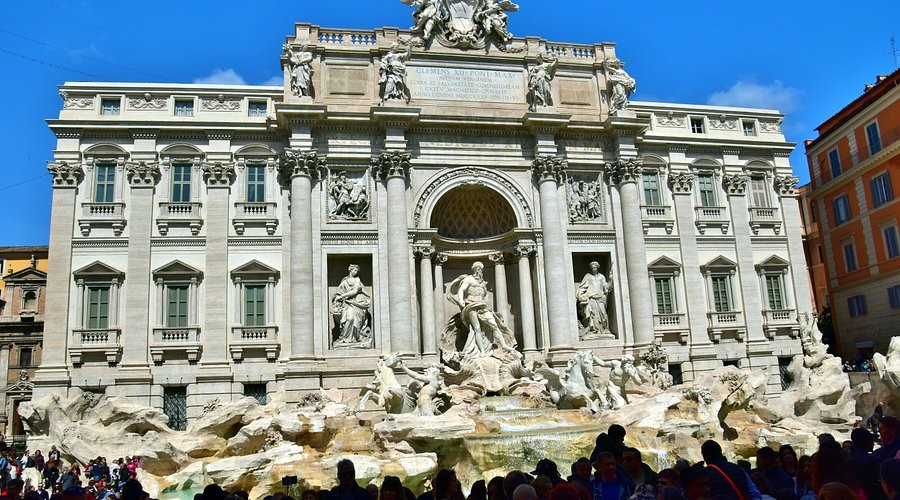
Salvi’s Vision: At the heart of Piazza di Trevi lies the magnificent Trevi Fountain, a breathtaking example of Baroque artistry. Designed by Nicola Salvi and completed in 1762, it represents a dramatic departure from the restrained elegance of classical sculpture. Salvi wasn't simply building a fountain; he was crafting an experience—a theatrical spectacle designed to evoke awe and wonder. The sheer scale of the fountain, combined with its dynamic composition and intricate details, immediately captivates the senses.
The Palazzo Poli and Piazza’s Architectural Harmony
Piazza di Trevi isn’t merely defined by its fountain; it’s a harmonious blend of classical and Baroque elements. The elegant facades that flank the square provide a stunning backdrop to the fountain’s drama, creating a visual dialogue between past and present. Dominating one side is the Palazzo Poli, a magnificent example of 17th-century Roman architecture, with its imposing portico and intricate detailing. This palazzo, once home to the influential Poli family, adds layers of historical context to the piazza's narrative, reflecting Rome’s aristocratic heritage. The interplay between the grandeur of the palace and the exuberant energy of the fountain is a testament to the city’s layered history.
The Trevi Fountain: A Marvel of Engineering and Art
The fountain itself is a marvel of engineering and artistic skill. Oceanus, god of the sea, dominates the central scene, his chariot pulled by tritons and seahorses—each sculpted with astonishing realism. The figures aren’t merely decorative; they are imbued with movement and emotion, conveying a sense of power and dynamism. Surrounding him are allegorical figures symbolizing Abundance and Healthiness, reinforcing the fountain's symbolic significance as a conduit for life-giving water. The travertine stone itself—sourced from nearby Tivoli—contributes significantly to the fountain’s luminous quality, enhancing its visual impact under both sunlight and moonlight. The careful use of light and shadow creates an ever-changing spectacle, transforming the fountain into a constantly shifting masterpiece.
A Cultural Hub Through Time
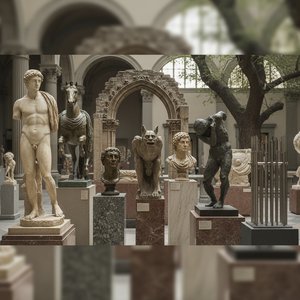
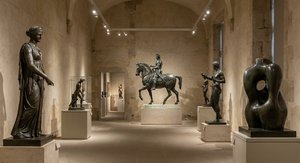
Piazza di Trevi has evolved far beyond its initial function as a water source. Throughout history, it served as a gathering place for Romans of all social classes – a site for commerce, political rallies, and public celebrations. The presence of the Palazzo Poli on one side of the square adds to its grandeur, while the surrounding shops and cafes create a lively atmosphere that continues to draw visitors from around the world. The piazza’s transformation into a cultural space is largely thanks to the Fondazione Sorgente Group, which has curated rotating exhibitions featuring contemporary artists, ensuring that the fountain remains relevant and engaging for new generations. These temporary installations offer fresh perspectives on the fountain's history and symbolism, inviting visitors to see it in a new light.
Notable Exhibitions & Events
Throughout the year, Piazza di Trevi hosts a variety of events and exhibitions that celebrate both Roman heritage and contemporary art. Keep an eye out for temporary installations by renowned sculptors and multimedia artists, often exploring themes related to water, mythology, and the city’s rich history. The Fondazione Sorgente Group regularly organizes workshops and guided tours, offering visitors a deeper understanding of the fountain's design, symbolism, and cultural significance. From classical music concerts to theatrical performances, Piazza di Trevi remains a vibrant center for artistic expression.