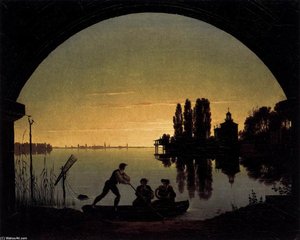
Karl Friedrich Schinkel (1781–1841): Prussian Visionary
Karl Friedrich Schinkel, born in Neuruppin, Germany, in 1781, occupies a singular position within the annals of 19th-century art and architecture. His life was a compelling narrative woven with threads of personal hardship and professional triumph, unfolding against the backdrop of shifting political landscapes and burgeoning artistic movements. The devastating fire that ravaged Neuruppin in 1787, tragically claiming his father’s life while Schinkel was still a young boy, cast a long shadow over his formative years. This early experience, perhaps, instilled within him a profound appreciation for order, permanence, and the enduring power of form—qualities that would later define his artistic vision. It undoubtedly contributed to the meticulous precision and emotional resonance so characteristic of his mature work. He received early mentorship under Friedrich Gilly and his father David Gilly, both influential architects in Berlin, absorbing their classical principles while simultaneously encountering more experimental ideas – a crucial blend that shaped his developing aesthetic sensibilities. These foundational years provided Schinkel with a robust understanding of architectural history and technique, preparing him for the pivotal decisions that lay ahead.
Early Influences and Artistic Aspirations
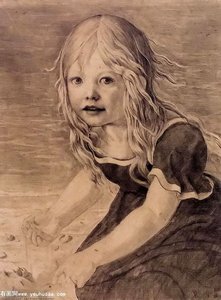
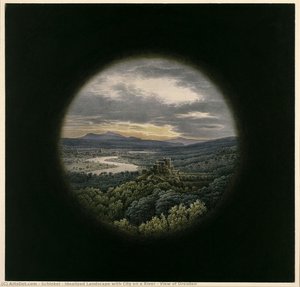
Schinkel’s artistic journey began with painting, demonstrating considerable talent in landscape and portraiture. However, a transformative encounter occurred during an exhibition in Berlin in 1810—a moment of profound self-assessment triggered by Caspar David Friedrich’s *Wanderer above the Sea of Fog*. The sheer emotional depth and masterful execution of Friedrich's work compelled Schinkel to confront his own artistic inclinations. Recognizing that achieving such heights in painting did not align with his innate sensibilities, he made the decisive shift to architecture—a decision born not merely from practicality but from a deep conviction about where his true creative potential resided. This was not simply a change of profession; it represented an intellectual honesty and commitment to pursuing excellence where his talents naturally flourished. He understood that beauty wasn’t solely found in visual representation, but could be realized through the tangible form of buildings—spaces designed to inspire contemplation and convey meaning. His formative years under Gilly instilled within him a meticulous attention to detail and a reverence for classical architectural traditions—influences that would permeate his entire oeuvre.
From Painter to Architect: A Paradigm Shift
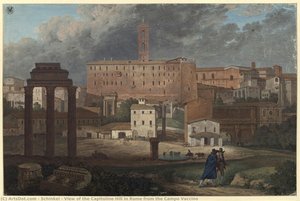
Schinkel’s artistic transformation wasn't abrupt but gradual, fueled by an unwavering dedication to mastering the craft of architecture. He pursued formal training at Berlin’s Academy of Architecture (1800–02), honing his skills alongside fellow artists and absorbing the teachings of prominent instructors. Simultaneously, he embarked on extensive travels throughout Italy—a pilgrimage to the birthplace of classical art and architecture that profoundly shaped his aesthetic sensibilities. During these journeys, Schinkel immersed himself in the grandeur of Roman ruins and absorbed the stylistic innovations of Italian architects, recognizing the importance of studying history alongside experimentation. Returning to Berlin via Paris (1805), he embraced painting once more—a pursuit that allowed him to explore expressive techniques while maintaining a grounding in classical principles. He designed furniture for Queen Louise in 1809 that, with its rich, light-coloured pearwood, play of matched grains, and simplification of form in a classical milieu, anticipated the forthcoming Biedermeier period—demonstrating his ability to synthesize disparate influences into harmonious compositions.
The Architect of Prussia: Shaping Berlin’s Identity
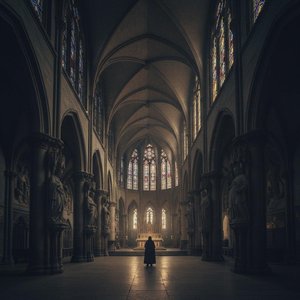
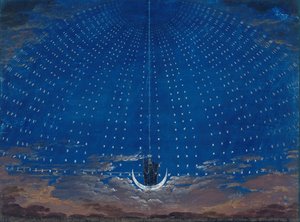
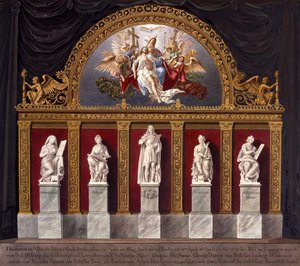
In 1815, Schinkel ascended to the role of state architect of Prussia—a position that afforded him unparalleled access to royal patronage and enabled him to realize his ambitious architectural visions on a grand scale. He undertook numerous commissions for King Frederick William III and other members of the royal family—projects designed not only to beautify Berlin but also to symbolize Prussian power and prestige. His designs were rooted in the revival of various historical styles—particularly Greek Revival and Gothic Revival—reflecting Schinkel’s conviction that architecture should engage with tradition while simultaneously embracing innovation. Notable achievements included the Königschauspelhaus (1818), a magnificent theatre building embodying neoclassical elegance; the Altes Museum (1822–30), showcasing groundbreaking spatial arrangements and incorporating sculptural ornamentation; and Friedrichswerder Church (1824–1836)—a monumental Gothic Revival cathedral that stands as a testament to Prussian faith and artistic ambition. He oversaw the transformation of Berlin into a modern metropolis—creating boulevards, squares, and monuments that redefined the city’s urban landscape.
Legacy: An Enduring Influence on Architectural Thought
Karl Friedrich Schinkel's influence extends far beyond his physical buildings—he was also a prolific theorist and draftsman who disseminated his ideas through publications like *Sammlung architektonischer Entwürfe* (1820–1837) and *Werke der höheren Baukunst* (1840–1846). These works provided invaluable insights into his design principles—emphasizing structural integrity, spatial harmony, and the integration of sculpture and ornamentation—and profoundly impacted generations of architects. Though political constraints hampered his ability to realize all his visionary plans—particularly those for monumental projects like the Athenian Acropolis—Schinkel remains a cornerstone of German architectural history—a figure whose unwavering commitment to artistic excellence continues to inspire awe and admiration today. His buildings are not merely relics of the past but living embodiments of enduring aesthetic ideals—a testament to a man who truly shaped the visual culture of his era.