MUSEUM INFORMATION: Cornell Lab of Ornithology
Nestled in the rolling hills of Ithaca, New York, the Cornell Lab of Ornithology transcends the typical definition of a research institution; it is a vibrant testament to our enduring connection with the avian world. Founded in 1915 by Arthur A. Allen – a visionary who championed the formal study of birds – the Lab has blossomed into a global hub for ornithological science, conservation, and citizen engagement. From its humble beginnings within Cornell University's entomology department to its current state-of-the-art facilities at Sapsucker Woods Sanctuary, the story of the Cornell Lab is one of passionate dedication and groundbreaking discovery. It’s a place where scientific rigor dances with public enthusiasm, fostering a unique environment that invites everyone to look up and listen. The very essence of the Lab lies in its ability to transform casual birdwatchers into invaluable scientific contributors, pioneering a spirit of collective observation that has revolutionized our understanding of avian life.
-
A Sanctuary of Wings and Wonder: Exploring the Cornell Lab of Ornithology
-
History & Founding Visionaries
-
Architectural Harmony with Nature – The Imogene Powers Johnson Center
-
Citizen Science Initiatives: eBird & Beyond
-
Celebrating Avian Biodiversity Through Observation and Research
History & Founding Visionaries
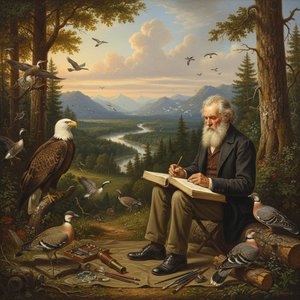
The Cornell Lab’s genesis can be traced back to Arthur Allen, a fervent advocate for systematic bird research who secured the establishment of the first graduate program in ornithology at Cornell University. Recognizing the importance of understanding avian populations and their habitats, Allen envisioned a collaborative effort between scientists and enthusiasts—a bold step forward in ornithological scholarship. Alongside Lyman Stuart, a businessman with an unwavering passion for conservation, donors, and landowners contributed generously to securing land for Sapsucker Woods Sanctuary. This pivotal moment solidified the Lab’s commitment to preserving birdlife and fostering scientific exploration within a breathtaking natural setting. The Lab's name itself—Sapsucker Woods—came from the discovery of the first breeding pair of yellow-bellied sapsuckers ever recorded in the Cayuga Lake Basin, an event that captivated Allen and inspired the sanctuary’s enduring symbol.
Architectural Harmony with Nature – The Imogene Powers Johnson Center
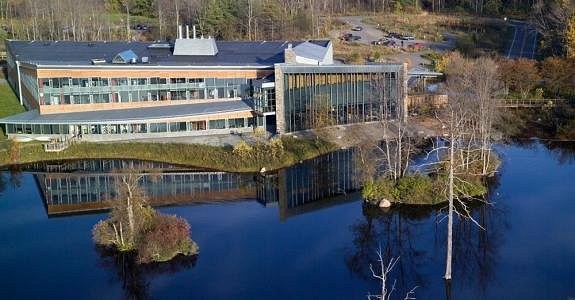
The Imogene Powers Johnson Center for Birds and Biodiversity stands as a testament to this core principle—a building designed not merely to house research but to seamlessly integrate into its surroundings. Opened in 2003, the Visitor Center embodies the Lab’s ethos of connection with nature through innovative architectural design. Situated within Sapsucker Woods Sanctuary, it utilizes natural materials and expansive windows to maximize views of the forest canopy and pond ecosystem—creating an immersive experience for visitors. The building's orientation and landscaping choices prioritize sunlight exposure and airflow, minimizing energy consumption while fostering a tranquil atmosphere conducive to contemplation and learning about avian ecology.
Citizen Science Initiatives: eBird & Beyond
At the heart of Cornell Lab’s mission lies its embrace of citizen science—a transformative approach that empowers individuals worldwide to contribute meaningfully to scientific advancement. The cornerstone of this endeavor is *eBird*, an online database fueled by the observations of birdwatchers across continents. Imagine a real-time map constantly updated by thousands of eyes, revealing the intricate movements of feathered travelers—a breathtaking visualization of interconnectedness and demonstrating how collective observation unlocks profound insights into avian life on Earth. Complementing this digital marvel is *All About Birds*, an award-winning website offering exhaustive profiles of North American species—a treasure trove of identification tips, life history details, and captivating sound recordings. These resources aren’t simply informative; they ignite curiosity and inspire conservation efforts, fostering a spirit of collaborative exploration that has fundamentally reshaped our understanding of bird distribution and behavior.
Celebrating Avian Biodiversity Through Observation and Research
Cornell Lab's dedication extends beyond data collection; it champions active engagement with the natural world through projects like NestWatch and Celebrate Urban Birds, empowering people to become stewards of avian populations. Furthermore, “Bird Cams” provide unprecedented access into nesting birds’ daily lives—a window into delicate dramas unfolding within avian families—demonstrating that scientific rigor can coexist harmoniously with public fascination. Ultimately, Cornell Lab embodies a holistic vision: integrating research, education, and conservation to address the multifaceted challenges facing bird populations in an era of rapid environmental change. It serves as a powerful reminder that everyone possesses a role to play in safeguarding the future of these magnificent creatures and their habitats—a legacy built not just on scientific discoveries but on inspiring wonder and responsibility across generations.