Manchester Town Hall: Viktoriánsky gotický sen
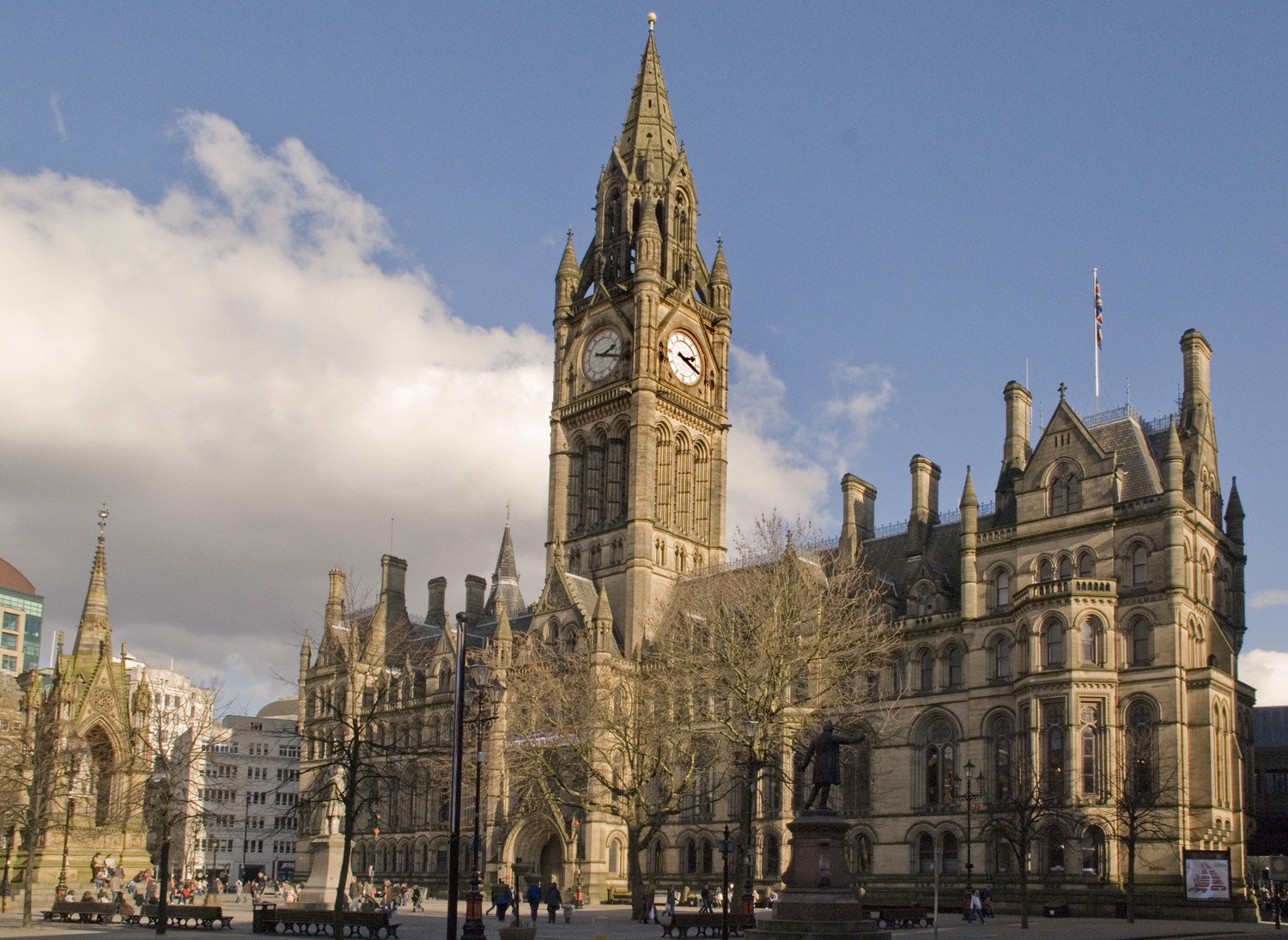
Manchester Town Hall stojí ako monumentálny svedok viktoriánskych ambícií a občianskej hrdosti – budova, ktorá stelesňuje nielen architektonický grandióznosť, ale aj ducha éry definovanej priemyselnými inováciami a umeleckým rozkvetom. Nachovaná na Albert Square, v samom srdci historického centra Manchesteru, je viac než len kameň a malta; je to živá kronika britskej histórie a maják kultúrneho dedičstva. Dokončená v roku 1877 pod vizionárskym vedením architekta Alfreda Waterhousea, tento neogotický majsterštrk stále dnes vzbudzuje úžas a obdiv.
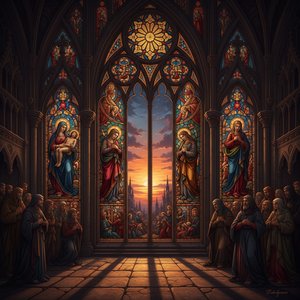
Majestátne vyvýšená nad Albert Square, dominantná prítomnosť radnice ovládala mestskú panorámu a pozýva návštevníkov do sveta, kde zložité rezby šepkáva príbehy minulosti Manchesteru a vitrály kúpajú interiér do kaleidoskopických odtieňom. Waterhouse zámerne sa vyhol klasickej symetrie, ktorej uprednostňovali mnohí jeho súčasníci, a namiesto nej zvolil dynamickú asymetriu, ktorá odzrkadľovala energický pulz rastúcej priemyselnej éry Manchesteru – odvážne rozhodnutie, ktoré viedlo k vzniku budovy nepodobnej žiadnej inej v tom čase. Fasáda je pútavou tapetou so sochárnymi postavami – významnými vedcami, umelcami a občanmi, ktorých oživil Joseph Boehm – pričom každá z nich prispieva k príbehu budovy ako monumentu ľudským úோčinom. Vznášajúca sa k nebesiam, 85metrová veža vrcholí zvonom Great Abel, kolosálnym zvonom, ktorého rezonujúce tóny sa od ozveny šíria nad Albert Square už viac než storočie, slúžiac ako neustála pripomienka námorného dedičstva a vytrvalého ducha Manchesteru.
-
Architektonický význam:
Dizajn Alfreda Waterhousea predstavuje kľúčový moment v viktoriánskej architektúre – zámerné odmietnutie neoklasických konvencií v prospech expresívnej veľkolepilosti gotickej obnovy. Inšpiráciu čerpal z katedrál po celej Európe a začlenil prvky ako špicaté oblúky, rebrové svodky a vysoké veže, aby vytvoril atmosféru vznešenej krásy a duchovného rozjímania.
-
Murály v Great Hall:
V Great Hall sídli jedno z najambicióznajších umeleckých diiel Británie: Manchesterské murály od Forda Madoxa Browna – séria pláten, ktoré zaznamenávajú históriu mesta od jeho rímskych počiatkov až po transformatívne roky priemyselnej revolúcia. Tieto monumentálne maľby zobrazujú kľúčové momenty v minulosti Manchesteru – príchod Charlemagna, normanské panovanie, elizabethánsku renesanciu a viktariánsku éru – zachytávajúc nielen historické udalosti, ale aj ducha každého obdobia s neuveriteľnou citlivosťou a detailom.
Poklady a odkaz Sály so sochami
Vedľa Great Hall sa nachádza Sála so sochami (Sculpture Hall), ktorá hostí sochy pripomínajúce vplyvné osobnosti, ktoré formovali intelektuálnu krajinu Manchesteru – Johna Daltona, Jamesa Joulea a sira Johna Barbirolliho. Tieto sochy stelesňujú viktoriánsky ideál hrdinske ctnosti – predstavujú mysliteľov a vedcov, ktorí presadzovali rozum a pokrok. Prepracované drevozverstvo a vitrály prispievajú k jej opulentnej estetike a odrážajú bohatstvo a sofistikovanosť Manchesteru počas jeho zlatého veku.
-
Významní sochári:
Sochy Josepha Boehmho sú obzvlášť pozoruhodné svojou dôslednou detailnosťou a expresívnym stvárnením ľudskej dôstojnosti – čo je svedectvom o viktoriánskej umeleckej zručnosti a humanistických hodnotách.
Historický kontext a evolúcia
Dokončená v roku 1877 sa Manchester Town Hall rýchlo stala symbolom priemyselného úspechu a občianskych ambícií Manchesteru. Jej výstavba sa zhodovala s obdobím bezprecedentného ekonomického rastu poháňaného výrobou bavlny a technologickými inováciami – časom, kedy sa mesto snažilo etablovať ako centrum vedomostí a kultúry. Početné obnovy počas dvadsiateho storočia prispôsobili budovu meniacim sa sociálnym potrebám, pričom zachovali jej architektonický integrit a zabezpečili jej neustálu relevantnosť pre súčasné publikum.
Nedávne renovácie a vízia budúcnosti
Budova, ktorá momentálne prechádza rozsiahlym revitalizačným projektom s názvom „Our Town Hall“, sa je dôkladne obnovovaná, aby sa zabezpečila jej budúcnosť pre ďalšie generácie. Tento ambiciózny podnik má za cieľ nielen opraviť a vylepšiť infraštruktúru, ale aj zvýšiť prístupnosť a zabezpečiť, aby Manchester Town Hall naďalej slúžila ako živé centrum občianskeho zapojenia – čo je dôstojná pocta jej bohatej minulosti a trvalému významu. Opätovné otvorenie v lete 2026 sľubuje nezabudnuteľnú cestu do srdca britskej histórie a architektonického umenia, čím potvrdí postavenie Manchester Town Hall ako jednej z najcennejších pamiatok národa.
Preskúmavanie umeleckej inšpirácie
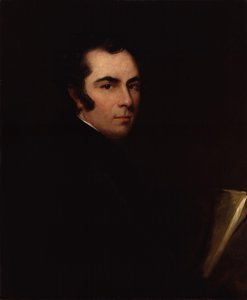
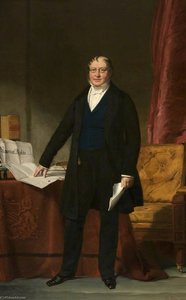
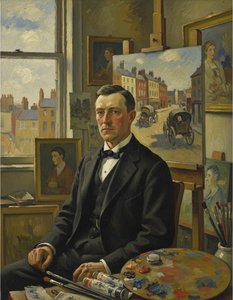
Zvážte portrét sira Anthonyho Marshalla od Henryho Turnera Munnsa z roku 1895 – úchvatný viktoriánsky olejový obraz uložený v Manchester Town Hall. Preskúmajte jeho bohatý detail a historický kontext. Obdivujte tiež sochy Josepha Boehmho, ktoré oslavujú vedeckých pionierov ako Dalton a Joule. Tieto umelecké diela exemplifikujú viktoriánsku fascináciu intelektuálnym úspechom a umeleckou krásou – prvky, ktoré v rámci trvalého odkazu radnice stále rezonujú.