A Singular Window into Volyn Iconography: Exploring the Museum of Volyn Icon
The Museum of Volyn Icon, nestled in the historic city of Lutsk, Ukraine, isn’t merely a repository of religious art; it's an immersive journey back to the artistic heartland of Eastern Europe. Founded on a bedrock of scholarly dedication and fueled by generous local donations—primarily spearheaded by the visionary art critic Pavlo Zholtovsky—the museum emerged in 1993 as a beacon for preserving Volyn’s distinctive cultural heritage, specifically its celebrated school of icon painting. Its mission transcends simple display; it strives to illuminate the spiritual and aesthetic values that shaped this region throughout centuries past.
Collection Highlights: Treasures of Byzantine Tradition
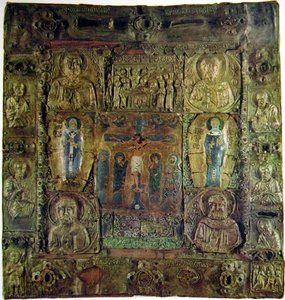
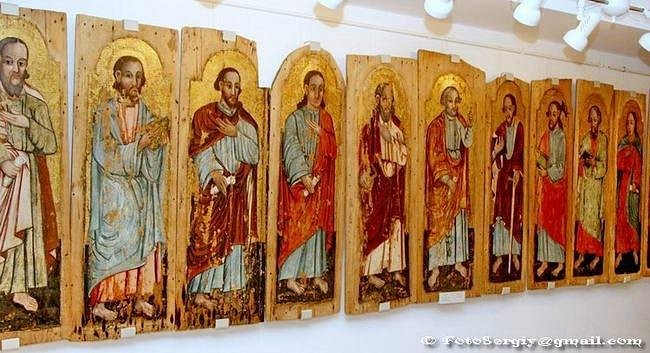
The museum's core strength resides in its extraordinary assemblage of over 1500 sacred art pieces, a breathtaking testament to Volyn’s artistic prowess. Among these treasures are more than 600 icons dating from the XVI to XIX centuries—each a meticulously crafted masterpiece that speaks volumes about faith and artistry. These aren't merely depictions; they are tangible echoes of Volynian history and devotion, bearing witness to innovative techniques and unwavering piety. The collection’s centerpiece is undoubtedly the Kholm Miraculous Icon of the Mother of God, recognized as one of the most revered Christian shrines globally—a beacon of Byzantine art from the XI-XII centuries that continues to inspire awe and contemplation.
The Volyn School's Legacy: Layers of Color and Technique
What distinguishes this institution is its unwavering focus on the Volyn school of icon painting – a movement whose stylistic evolution unfolded organically over time, mirroring the broader currents of Byzantine art yet infused with distinctive regional nuances. Researchers have painstakingly documented techniques employed by generations of painters, revealing an astonishing level of detail in pigment layering and composition. Imagine artisans applying translucent glazes upon glazes—a process demanding exceptional skill and patience—creating surfaces shimmering with luminosity and capturing the ethereal beauty characteristic of Volynian iconography.
Historical Significance Beyond Art: Reflections of Volynian Society
The icons themselves are invaluable historical artifacts, offering glimpses into the beliefs and traditions that governed Volynian life during their creation. They portray scenes from Orthodox Christian ritual—the coronation ceremonies of monarchs, processions honoring saints—reflecting the social hierarchy and spiritual fervor of the era. By studying these artworks, we gain access to a rich tapestry of cultural history: royal patronage fueled artistic endeavors, monastic piety shaped aesthetic sensibilities, and the enduring faith of the people permeated every facet of Volynian culture.
Architectural Setting: A Temple to Memory
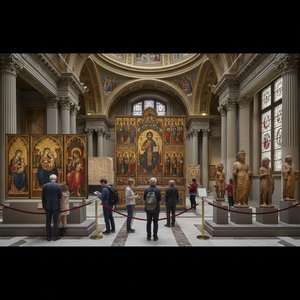
The museum’s architectural setting complements its artistic treasures superbly. Situated in Lutsk – a city steeped in medieval grandeur and fortified by centuries of turbulent history – the building embodies solemnity and reinforces the contemplative atmosphere ideal for appreciating sacred art. While precise details regarding its design remain limited, it reflects the broader ethos of preserving cultural heritage, evoking the grandeur of bygone eras and inviting visitors to immerse themselves in Volyn’s storied past.
Notable Exhibitions & Scholarly Engagement
The museum regularly hosts scholarly conferences dedicated to Volyn icon painting, attracting experts from across Europe—a testament to Lutsk's role as a burgeoning center for artistic research. These events foster dialogue amongst specialists and disseminate knowledge about this singular tradition, ensuring that the legacy of Volynian iconography continues to inspire future generations of scholars and artists alike.