
The History of the Palazzi Pontifici
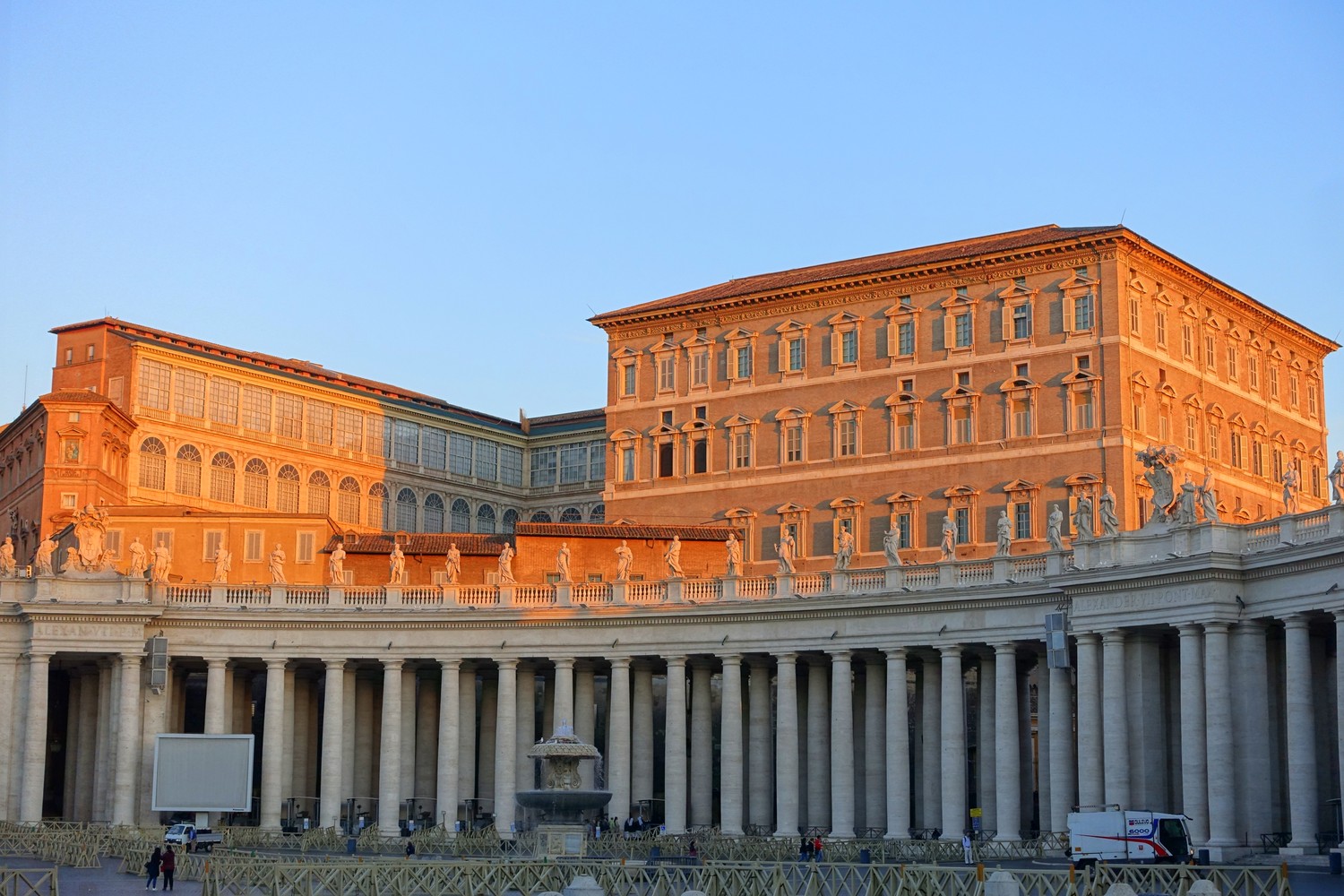
The Palazzi Pontifici are situated within Vatican City. These structures originated as modest residences clustered around Old St. Peter’s Basilica. Over several centuries, they evolved into a sprawling complex that reflects the continuity of papal authority and spiritual devotion. The development of the site tracks the shifting political and religious landscape of the region, moving from simple dwellings to the official seat of the papacy.
The history of these buildings is tied to the sovereignty of the Holy See. The Lateran Treaty of 1929 established Vatican City as an independent state, a status that defines the current role of the palaces. Throughout their existence, the Palazzi Pontifici have been the site of significant ecclesiastical events, including the papal conclaves where cardinals gather to elect a new pope. These gatherings have occurred within the walls of the complex for generations, linking the physical architecture to the governance of the Church.
The collection held within these halls includes works that reflect the long-standing patronage of the papacy. Notable items include:
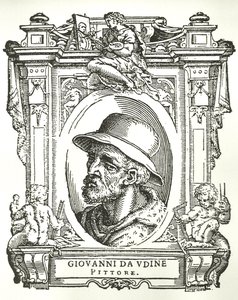
- Decoration of Cardinal Bibbiena's Loggetta, 1516 - Giovanni Da Udine
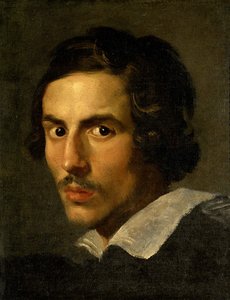
- Emperor Constantine, about 1654 - Gian Lorenzo Bernini
Architectural Evolution and Design
The architectural evolution of the Palazzi Pontifici reflects the shifting aesthetic sensibilities of the Renaissance and the periods that followed. The structural development of these buildings traces a narrative of changing styles, moving from the foundations of earlier eras into the refined elegance of the Renaissance. This progression is visible in the way space is organized to balance classical restraint with an emerging sense of dynamism.
The Loggia of Pope Leo X, an open-air gallery commissioned by Raphael, exemplifies this era's approach to design. The space is defined by graceful arches and classical proportions. Within this setting, frescoes depict scenes from the lives of David and Isaac and Rebecca Spied upon by Abimelech. The composition utilizes disegno, emphasizing intellectual conception and skillful draftsmanship. The scale of the Loggia creates an environment that invites contemplation on faith and power.
The design demonstrates an advanced understanding of light and space. These elements anticipate the developments of the Baroque period through a sophisticated interplay of volume and illumination. The architecture does not merely provide shelter but organizes the environment to reflect the theological and political authority of the papacy.
The Magnificent Raphael Rooms
Adjacent to the Loggia of Pope Leo X lie the Raphael Rooms, a series of five frescoed halls. Commissioned by Pope Leo X in 1509, these spaces were designed to function as a grand reception hall for foreign dignitaries. The rooms represent a significant achievement of the High Renaissance, blending humanist ideals with theological themes through a cohesive ensemble of frescoes.
The collection includes the Disputation of the Holy Sacrament and the School of Athens. In the School of Athens, Raphael depicts a scene of philosophical discourse. The composition features portraits of Plato and Aristotle positioned alongside contemporary scholars. This arrangement reflects the intellectual climate of the period, emphasizing the intersection of classical wisdom and Christian thought.
The rooms also contain the Judgment of Plutus, the Triumph of Faith over Error, and the Philosopher. Each hall utilizes perspective and idealized figures to communicate its specific narrative. The scale and detail of these works provide insight into the artistic ambitions of the papal court during the sixteenth century.
Masterpieces of the Sistine Chapel
The ceiling of the Sistine Chapel, completed between 1508 and 1512, represents a significant achievement in both artistic skill and engineering. The frescoes depict a series of biblical narratives, ranging from the Creation of Adam to the Flood. These works utilize chiaroscuro to create a sense of volume and depth through the deliberate contrast between light and shadow. The scale of the undertaking reflects the technical capabilities of the period.
The Creation of Adam is a central element of the cycle, providing a focused depiction of the relationship between God and humanity. The figures are rendered with anatomical precision and emotional weight. This work, along with the surrounding scenes, demonstrates the capacity of human creativity to address profound theological themes through visual form. The preservation of the colors and the detail within the frescoes allows for a direct observation of the Renaissance approach to the human figure.
Exhibitions and Unique Features
The Palazzi Pontifici host a rotating selection of exhibitions. These displays often examine specific historical developments, such as the influence of Mannerism on Renaissance painting. Beyond the primary halls, the complex contains lesser-known chambers and corridors that offer a view into the daily life of the papal court. These spaces provide a quieter perspective on the architectural scale of the residence.
The surrounding gardens provide a space for reflection away from the interior galleries. From these grounds, one can observe the skyline of Rome and the structure of St. Peter’s Basilica. The layout of the gardens offers a controlled environment for viewing the exterior architecture of the complex.
- Emperor Constantine, about 1654 - Gian Lorenzo Bernini
- Decoration of Cardinal Bibbiena's Loggetta, 1516 - Giovanni Da Udine


