A Palace Echoing Through Centuries
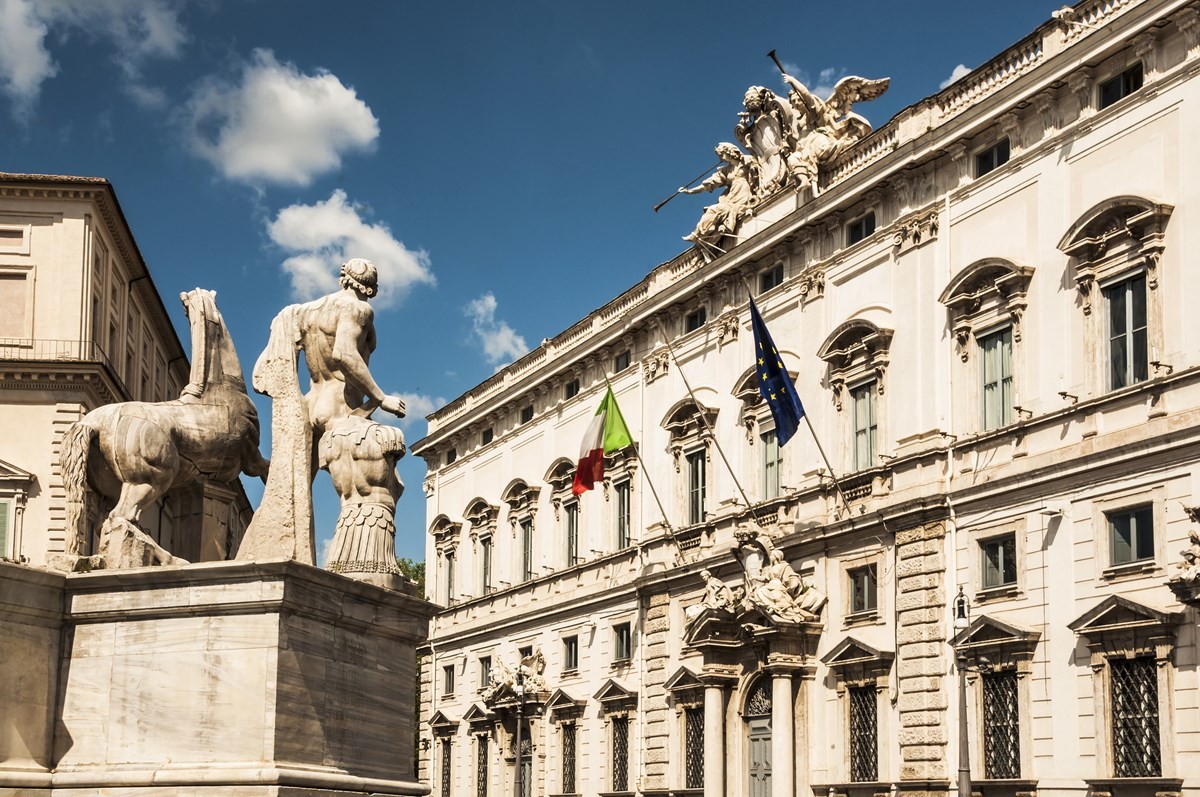
The Quirinal Palace in Rome isn’t merely a building; it's a palimpsest of Italian history, a monumental structure that breathes with the stories of popes, kings, and presidents. Perched atop the highest of Rome’s seven hills, its very stones seem to hum with the weight of centuries. Approaching the palace, one is immediately struck by its sheer scale – a sprawling complex encompassing 110,500 square meters and boasting over 1,200 rooms. Yet, it's not merely size that impresses, but the harmonious blend of architectural styles reflecting layers upon layers of transformation. Originally conceived in 1574 as a summer retreat for Pope Gregory XIII, the palace’s foundations were laid upon remnants of ancient Roman structures – temples and baths whispering tales of an even earlier era. Subsequent pontiffs and monarchs each left their imprint, with masters like Domenico Fontana, Carlo Maderno, and Gian Lorenzo Bernini shaping its Renaissance and Baroque character into the magnificent spectacle we see today. The Courtyard of Honor, a central focal point, exemplifies this layered history, revealing distinct construction phases spanning decades and showcasing the evolving aesthetic sensibilities of each era. It’s a space where time itself seems to coalesce, offering a tangible connection to Italy's rich past – a place where you can almost hear the echoes of papal audiences and royal celebrations.
Treasuries Within: Art and Artifacts
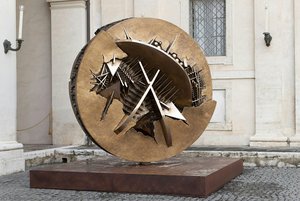
Stepping inside is akin to entering a living museum, where every hall and chamber reveals a new treasure. The collections housed within are breathtaking in their scope and quality. Ancient sculptures stand as silent witnesses to Rome’s imperial past, evoking the grandeur of emperors and the solemnity of religious rituals. Renaissance paintings burst with color and narrative detail, offering glimpses into the artistic fervor of that transformative period – portraits of powerful figures alongside scenes from classical mythology and biblical stories. Beyond these masterpieces, the palace boasts an extraordinary collection of tapestries – intricate woven narratives depicting historical events and mythological scenes, each thread a testament to the skill of generations of artisans. These aren’t simply decorative pieces; they are visual chronicles of Italy's history, meticulously crafted to tell tales of conquest, diplomacy, and religious devotion. Alongside these treasures lies a fascinating array of royal carriages, remnants of Italy’s regal past – opulent vehicles that once transported monarchs across the land, each one a symbol of power and prestige. However, perhaps the most celebrated aspect of the Quirinal’s holdings is its porcelain collection, numbering approximately 38,000 pieces from across the globe and spanning centuries of ceramic artistry. This vast assemblage represents not only exquisite craftsmanship but also a testament to the diplomatic exchanges and cultural connections that have shaped Italy's history – delicate figurines from China, intricately painted plates from France, and robust stoneware from Germany all gathered within these walls, reflecting the palace’s role as a center of international relations. The “Quirinale Contemporaneo” project has further enriched this collection, introducing modern art installations that create a compelling dialogue between past and present, challenging perceptions and inviting new interpretations of the palace’s legacy – a vibrant fusion of tradition and innovation.
Gardens, Ceremony, and the Spirit of Italy
The beauty of the Quirinal extends beyond its walls, encompassing meticulously maintained gardens dating back to the 16th century. These verdant spaces offer a tranquil escape from the bustling city, with geometric flowerbeds, diverse tree species, high hedges, and enchanting pergolas creating an atmosphere of serene elegance. The Coffee House, designed in the 18th century, provides panoramic views of the palace grounds and the sprawling cityscape beyond – a perfect vantage point to contemplate the historical significance of this remarkable site. Imagine yourself seated there, sipping coffee, and gazing out at the ancient Roman ruins that lie beneath your feet! Adding to the spectacle is the Changing of the Guard ceremony performed by the Corazzieri, one of the most prestigious armed escorts in the world. Their precise movements and gleaming armor embody a sense of tradition and national pride, offering visitors a captivating glimpse into Italy’s ceremonial heritage. It's a performance that isn't merely about spectacle; it's a living embodiment of Italian identity and discipline – a testament to the enduring values of order, loyalty, and honor. The gardens themselves are not simply ornamental; they were designed with careful consideration for both aesthetics and functionality, incorporating fountains, sculptures, and hidden pathways that invite exploration and discovery.
A Living Symbol of the Republic
Today, as the official residence of the President of Italy, the Quirinal Palace continues to play a vital role in the nation’s political life. The palace is not just a museum; it's an active center for diplomacy and state affairs – a place where important decisions are made and international relations are fostered. Yet, it remains fundamentally a cultural institution, open to the public for guided tours that reveal its hidden treasures and captivating stories. These tours offer a unique opportunity to step back in time and experience the grandeur of Italy’s past firsthand. The palace's ongoing commitment to art through initiatives like “Quirinale Contemporaneo” demonstrates a forward-thinking approach, ensuring that this historic landmark remains relevant and engaging for generations to come. It is a place where history isn’t merely preserved but actively interpreted and recontextualized, fostering a deeper understanding of Italy’s rich heritage and its evolving identity – a symbol not just of the Italian Republic, but of the enduring power of art, architecture, and cultural legacy to shape our understanding of the past and inspire our vision for the future.
Notable Features & Architectural Highlights
The Quirinal Palace is a masterpiece of architectural evolution, reflecting the styles of numerous eras. The Courtyard of Honor, with its distinct construction phases – from the Renaissance to the Baroque – provides a tangible demonstration of this layered history. Pay close attention to the intricate details of the façade, showcasing elements of both Roman and Italianate design. Don’t miss the Loggia delle Benedizioni, designed by Carlo Maderno, which is renowned for its dramatic perspective and opulent ornamentation. The palace's interior spaces are equally impressive, featuring grand halls adorned with frescoes by leading artists, exquisite marble floors, and elaborate stucco work. The presence of Kostol Sant’Andrea al Quirinale, a beautiful Baroque church within the palace grounds, adds another layer to the complex’s historical significance – a testament to the enduring connection between faith and power in Italy. The palace also houses a remarkable collection of clocks, reflecting the importance of timekeeping throughout its history.