
Obsah článku
Základné informácie
- Alternate names:
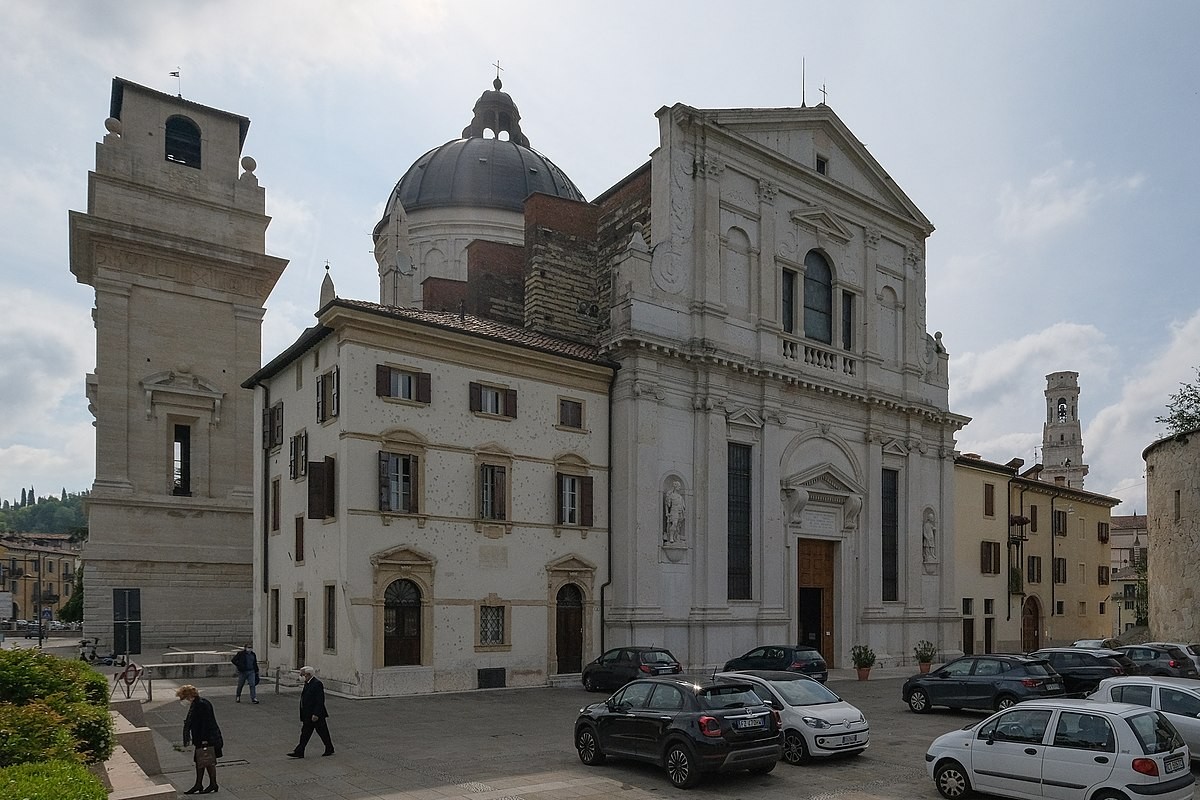
- San Giorgio Maggiore
- Chiesa di San Giorgio in Braida
- Works on APS: 1
- Location: Verona, Slovensko
- Featured artists: Paolo Veronese
Umenia v našej zbierke
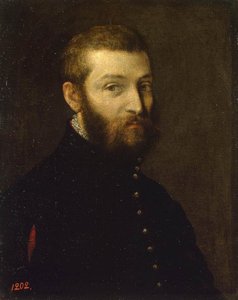
Paolo Veronese
Paolo Veronese, Veronese maľby, taliansky renesans, benátska maľba, Paolo Caliari, renesančná umenie, scény z banquetov, Benátky, 16. stor.

Kvíz o umení
Pri každej otázke je len jedna správna odpoveď.
Otázka 1:
Čo je San Giorgio v Braide hlavne známe?
Otázka 2:
Kto je považovaný za architekta zodpovedného za tvarovanie návrhu San Giorgio v Braide?
Otázka 3:
Čo zabezpečuje umiestnenie San Giorgio v Braide nezvyčajný zážitok návštevníkov?
Otázka 4:
Aký umelecký štýl oslavuje San Giorgio v Braide?
Otázka 5:
San Giorgio v Braide obsahuje umelecké diela dvojích renomovaných umelcov?
Súvisiace články
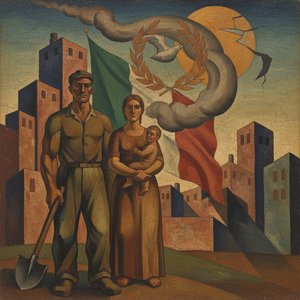
Mario Sironi: A Poetic of Modern Italian Identity Through Symbolism & Social Commentary
Explore the profound works of Mario Sironi, a key figure in Italian Modernism. Discover his evolution from Futurism to Metaphysical painting and his powerful social commentary. Learn about his legacy at Mus3ums.
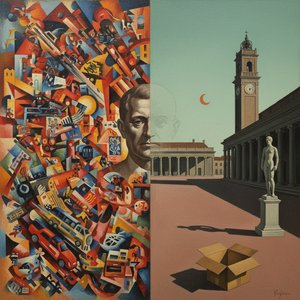
Carlo Carrà: Futurist Visions & Metaphysical Transformations in Early 20th-Century Italian Painting
Explore the artistic journey of Carlo Carrà, a pivotal figure in Italian Futurism & Metaphysical painting. Discover his dynamic compositions, collaborations with de Chirico, and lasting influence on modern art history.
Giovanni Fattori: Realism, Identity & the Tuscan Landscape – A Macchiaioli Master
Explore the life & art of Giovanni Fattori, a leading figure of the Macchiaioli movement. Discover his revolutionary realism, captivating Tuscan landscapes, and lasting impact on Italian painting. Learn more at Mus3ums.
© 2026 mus3ums.com