

A Sanctuary of Time: Unveiling Santa Maria delle Grazie
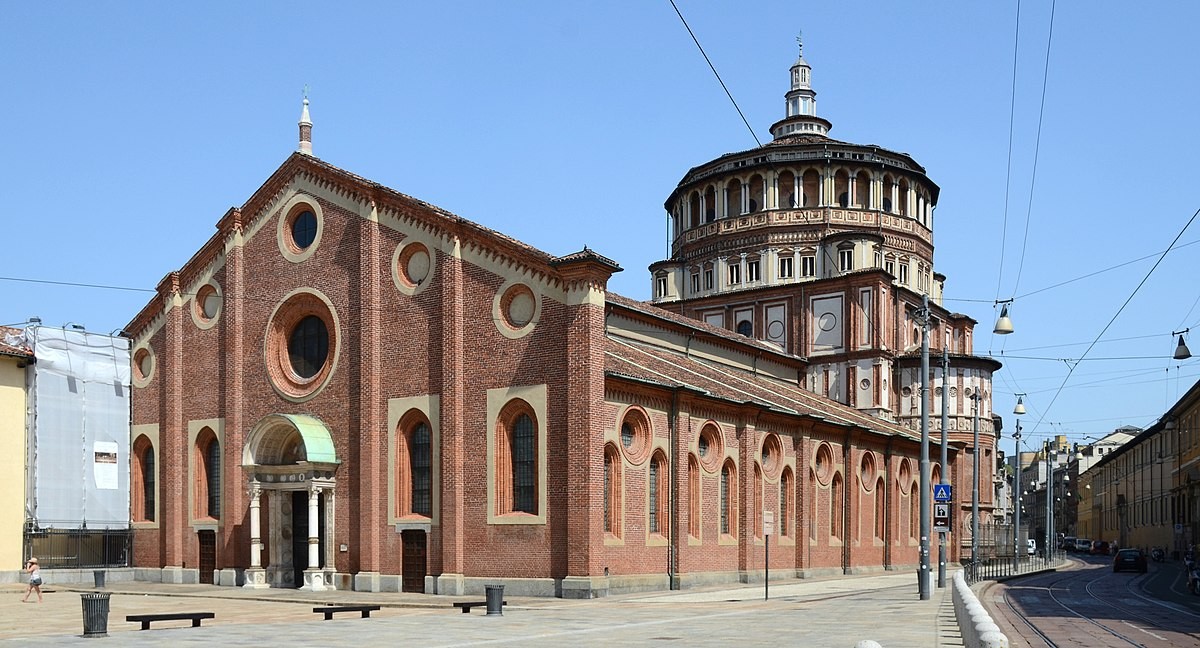
Nestled within the vibrant heart of Milan, Italy, Santa Maria delle Grazie isn’t merely a church; it's an immersive experience, a testament to centuries of artistic evolution and spiritual contemplation. Established in 1463 by Duke Francesco I Sforza as a tribute to Saint Mary of Miracles, this complex quickly transcended its initial purpose, blossoming into a crucible where the solemn grandeur of Gothic design intertwined with the revolutionary dynamism of the Renaissance. Stepping through its weathered doors is akin to stepping outside of time, encountering a delicate and enduring dialogue between established traditions and daring new visions – a legacy meticulously preserved for generations. The church’s story begins with an ambitious vision: to construct a cathedral that would rival those found in the great European capitals. Initially conceived by Guiniforte Solari as a magnificent Gothic structure, the church swiftly underwent a dramatic transformation under the guidance of Donato Bramante. Bramante’s genius wasn't simply an alteration; it was a complete reimagining, embracing the principles of classical harmony and proportion. The result is a breathtaking fusion – a testament to the enduring power of architectural dialogue. The soaring nave, with its intricate ribbed vaults and pointed arches, retains echoes of its Gothic origins, while the apse and tribune are adorned with exquisite Corinthian columns, delicate pilasters, and meticulously crafted marble panels that speak to Bramante’s unparalleled mastery of sculptural detail. This careful balance between past and present is what truly defines Santa Maria delle Grazie's unique character – a space where the weight of history feels inextricably linked to the promise of artistic innovation.
The church showcases a masterful blend of Gothic and Renaissance styles, largely thanks to Bramante’s intervention. Notice the soaring nave, a testament to Gothic ambition, juxtaposed with the refined classical elements in the apse and tribune. This harmonious juxtaposition is what distinguishes Santa Maria delle Grazie from countless other ecclesiastical buildings across Europe.
Historical Significance: The Legacy of Sforza Patronage
Originally intended as a grand cathedral, Santa Maria delle Grazie evolved into a significant Sforza family burial site, reflecting the power and patronage of Milan’s ruling dynasty. Francesco I Sforza commissioned Bramante to reshape the church, securing its place in Milanese history as a symbol of noble ambition and artistic prestige.
The Heart of the Matter: Leonardo da Vinci's *The Last Supper* – An Artistic Revelation
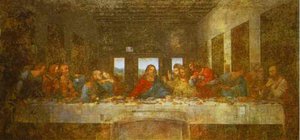
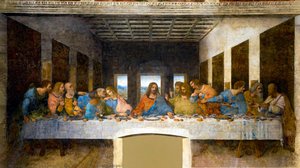
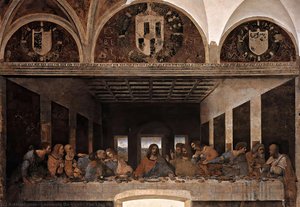
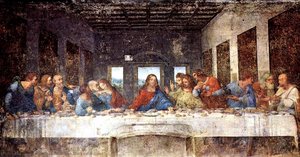
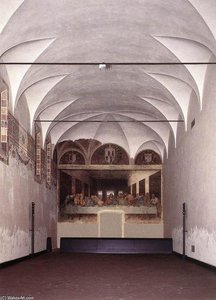
At the very core of Santa Maria delle Grazie lies a masterpiece that has captivated audiences for over five centuries: Leonardo da Vinci’s *The Last Supper*. Painted between 1495 and 1498, this monumental fresco isn't merely a depiction of a biblical scene; it’s an exploration of human emotion, psychology, and the very nature of time. Da Vinci’s revolutionary use of *sfumato* – a subtle blurring of lines and colors to create an ethereal atmosphere – imbues the figures with an unprecedented sense of realism and immediacy. Each expression, each gesture, is rendered with astonishing detail, capturing the precise psychological drama of Jesus’ announcement of Judas’ betrayal with breathtaking accuracy.
Da Vinci's experimental technique is particularly fascinating. He utilized an oil-based paint mixed with mastic, a resin that was intended to dry slowly, allowing for continuous layering and adjustments over several years. This innovative approach, however, proved disastrous in the long run, leading to rapid deterioration of the fresco.
Architectural Marvel: A Dialogue Between Styles
The exterior of Santa Maria delle Grazie exemplifies Renaissance grandeur – a testament to Bramante’s vision and the dedication of generations of conservators. Adjacent to the church is the Dominican Cultural Centre, which hosts engaging exhibitions exploring themes related to spirituality, art history, and Milanese culture—a vibrant reminder of Santa Maria delle Grazie’s ongoing relevance and its profound impact on the cultural landscape.
Additional Research: UNESCO Recognition & Ongoing Exploration
Today, Santa Maria delle Grazie stands as a proud recipient of UNESCO World Heritage status, attracting visitors from across the globe who seek to experience its architectural splendor and artistic treasures. Don't miss the opportunity to witness *The Last Supper* firsthand – a truly unforgettable encounter with one of art history’s greatest masterpieces.