Joseph Edward Southall (1861 - 1944): A Quiet Revolutionary
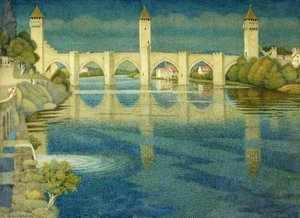
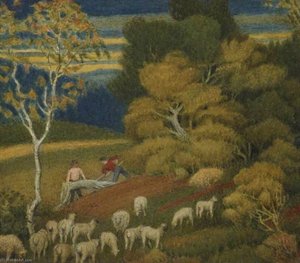
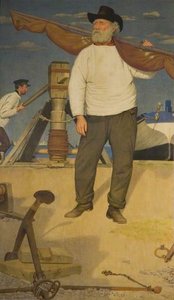
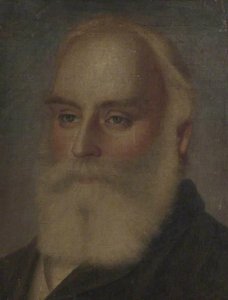
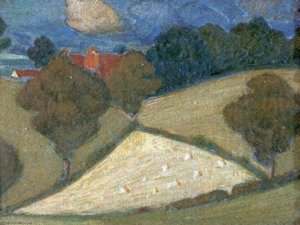
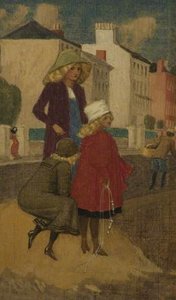
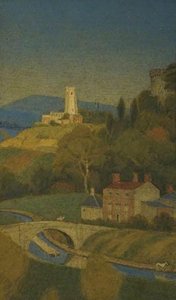
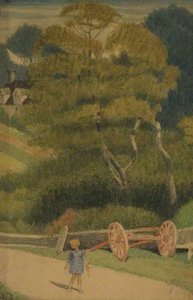
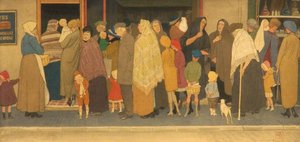
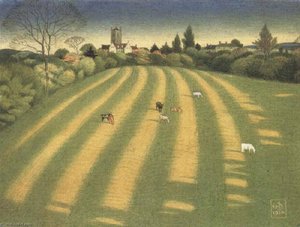
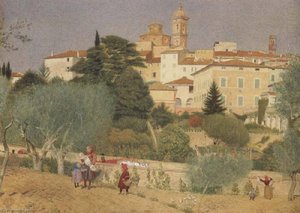
Joseph Edward Southall, born in Nottingham on August 23rd, 1861, stands as a compelling figure within the British Arts and Crafts movement—a testament to artistic integrity rooted in craftsmanship, spiritual contemplation, and unwavering social conscience. Unlike many of his contemporaries who sought grand narratives or flamboyant displays of skill, Southall pursued a path marked by meticulous observation and profound sensitivity to detail, resulting in paintings that resonate with an enduring quietude yet brimming with symbolic depth. His life story is one of steadfast devotion—to tempera painting, to the ethical precepts of Quakerism, and to the transformative ideals championed by William Morris and John Ruskin—a legacy that continues to inspire artists today. ### Early Life and Influences Southall’s formative years were shaped by a deeply rooted Quaker faith. His parents, Joseph Sturge Southall and Elizabeth Maria Baker, adhered to the principles of pacifism and social justice, instilling in him a moral compass that would guide his artistic endeavors throughout his life.Born into a family distinguished for its Quaker convictions, he attended Ackworth School and Bootham School—institutions renowned for fostering intellectual curiosity alongside spiritual contemplation. Edwin Moore, his watercolour instructor at Bootham, instilled in him an appreciation for tonal subtlety and precise draughtsmanship—skills that would prove invaluable to his artistic development. ### The Birmingham Group and Ruskinian Inspiration A pivotal moment arrived during Southall’s time at the Birmingham School of Art where he encountered Arthur Gaskin, forging a lifelong friendship and collaborative spirit. Together they established the Birmingham Group of Artist-Craftsmen in 1907—a collective dedicated to rejecting industrialization and embracing an integrated artistic life.- Inspired by Carlyle’s moral philosophy and Ruskin’s critique of Victorian materialism, the Group sought to elevate craftsmanship as a cornerstone of artistic expression.
- They championed tempera painting—a medium Southall considered superior to oil due to its inherent limitations—promoting it as a vehicle for conveying profound spiritual truths.
- The Group's aesthetic was characterized by meticulous detail and symbolic resonance, reflecting the Quaker belief in inner harmony and ethical responsibility.
- Southall's meticulous technique—characterized by layering thin glazes of pigment to achieve luminous color gradations—served as a conduit for conveying his profound spiritual convictions.
- His subjects resonated with symbolic meaning, reflecting the Quaker belief in simplicity and moral integrity.
- He sought to imbue his artwork with an ethical dimension—a reflection of inner harmony and social justice—a legacy that continues to inspire artists today.
- His meticulous technique—characterized by layering thin glazes of pigment to achieve luminous color gradations—served as a conduit for conveying his profound spiritual convictions.
- Southall’s paintings continue to inspire artists today, demonstrating the enduring relevance of Ruskinian ideals and the importance of ethical engagement with artistic expression.
Frågor & svar
Under vilka andra namn är Joseph Edward Southall känd?
Joseph Edward Southall är även känd som Ingemar Südahl.
Var kommer Joseph Edward Southall ifrån?
Joseph Edward Southall föddes i Storbritannien.
Under vilken historisk period verkade Joseph Edward Southall?
Joseph Edward Southall verkade under perioden talet. Perioden placerar konstnärens verksamhet i ett historiskt sammanhang.