
The Scrovegni Chapel: A Journey into Giotto’s Revolutionary Vision
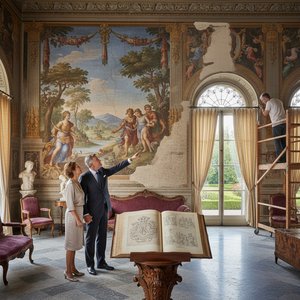
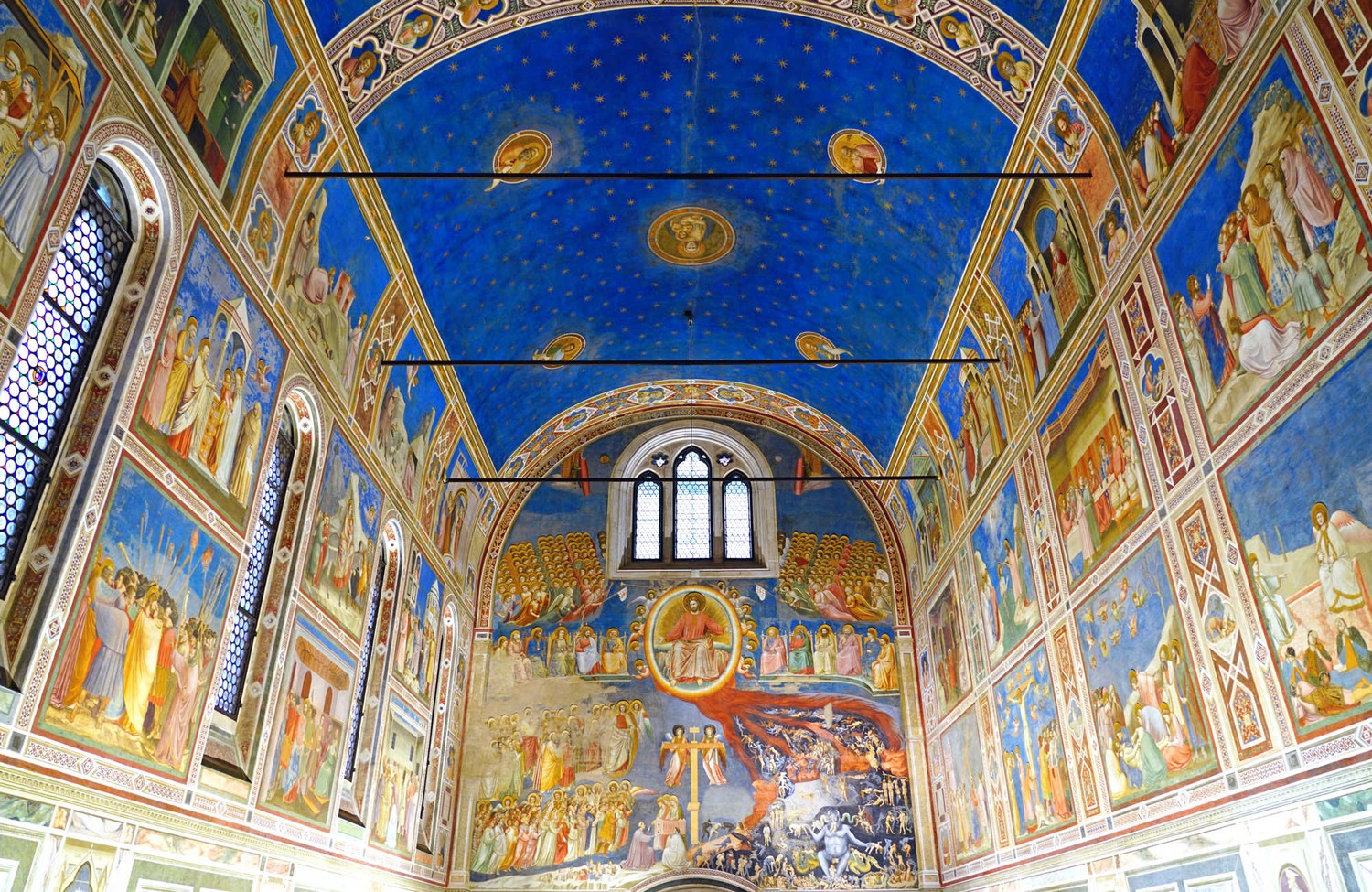
In the heart of Padua, nestled within the serene walls of an ancient Augustinian monastery, lies a space that transcends mere architecture – it's a portal to another time, a testament to artistic genius and unwavering faith. The Cappella degli Scrovegni, or Scrovegni Chapel, is more than just a church; it’s a monumental fresco cycle by Giotto di Bondone, a pivotal work that irrevocably altered the course of Western art history. Stepping inside is akin to entering a sacred realm, where time seems to subtly bend and shift, inviting contemplation and revealing layers of profound meaning woven into every vibrant brushstroke. The chapel's unassuming exterior, a simple Romanesque structure, belies the breathtaking spectacle within – a testament to the visionary patronage of Enrico Scrovegni, a wealthy banker who commissioned this extraordinary artistic endeavor around 1305.
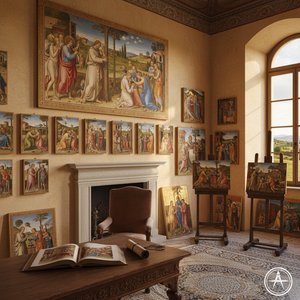
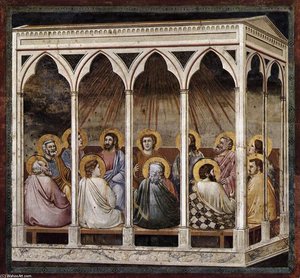
The story behind the chapel is as captivating as the art itself. Enrico, driven by a deep-seated piety and a desire to immortalize his family’s legacy, sought to create not simply a place of worship but a comprehensive visual narrative of faith. He recognized Giotto's burgeoning talent – an artist already challenging the established conventions of medieval painting with his innovative style – and entrusted him with this monumental task. The resulting frescoes depict scenes from the life of Christ and the Virgin Mary, stories rendered with an unprecedented sense of realism, emotional depth, and human drama. Gone were the stylized figures and distant perspectives that characterized earlier Byzantine and Gothic art; Giotto brought a new level of immediacy and psychological insight to his subjects, capturing their gestures, expressions, and inner lives with remarkable skill. The sheer scale of the frescoes – covering nearly 800 square meters – is overwhelming, yet each scene unfolds with an intimacy that draws the viewer into the heart of the narrative.
Proto-Renaissance Innovation: A New Language of Art
Giotto’s genius lies not just in his technical mastery but in his revolutionary approach to painting. He pioneered techniques that would become hallmarks of the Renaissance, fundamentally altering how artists depicted the world and humanity. Perhaps most notably, Giotto introduced a radical sense of perspective – not the mathematically precise linear perspective developed centuries later, but an atmospheric perspective achieved through subtle variations in color and tone. Distant figures are rendered in muted hues, creating a convincing illusion of depth and distance, while those closer to the viewer are depicted with brighter, more vibrant colors. This technique, combined with his masterful use of light and shadow, imbues the frescoes with a remarkable sense of realism and three-dimensionality.
Furthermore, Giotto’s figures possess an unprecedented level of naturalism. They are no longer flattened, stylized representations but fully realized human beings – each with their own distinct personality, emotions, and gestures. Observe the anguish on Christ's face during his Passion, the serene joy of the Annunciation, or the tender devotion of the Magi at the Nativity. Giotto’s figures aren’t merely depicting events; they are conveying *feeling*, capturing the essence of human experience with astonishing accuracy. This shift towards psychological realism marked a decisive break from the rigid conventions of medieval art and paved the way for the artistic innovations of the Renaissance.
A Chapel of Architectural Harmony
The Cappella degli Scrovegni is not only a masterpiece of fresco painting but also a remarkable example of Romanesque architecture. Designed by Arnolfo di Cambio, the chapel’s simple yet elegant structure provides the perfect framework for Giotto's monumental frescoes. The interior space is remarkably light and airy, thanks to strategically placed windows that flood the walls with natural illumination. The proportions are harmonious and balanced, creating a sense of serenity and reverence. The architecture itself seems to support and enhance the power of the art – it’s a testament to the belief that beauty and functionality should always be intertwined.
A Legacy Preserved: Patronage, Preservation, and Ongoing Discovery
Enrico Scrovegni's commitment extended far beyond simply commissioning the artwork; he meticulously oversaw every aspect of its execution, ensuring that it adhered to his exacting standards. He famously stipulated that the chapel remain closed to the public until the frescoes were completed, a profound demonstration of his reverence for this extraordinary artistic endeavor. Following Enrico’s death in 1352, the chapel remained within the Scrovegni family, serving as their private oratory and burial place. It wasn't until the early 20th century that the chapel was finally opened to the public, becoming a cherished treasure of Italian art and culture – a testament to the enduring power of artistic vision.
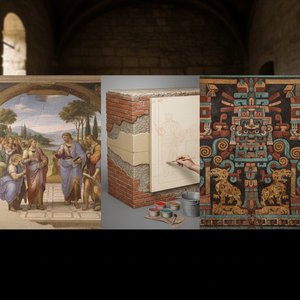
The preservation of the frescoes has been an ongoing challenge, requiring continuous scientific research and meticulous conservation efforts. The pigments used by Giotto are remarkably stable, but exposure to light and humidity can gradually cause them to fade or deteriorate. Modern techniques, such as ultraviolet monitoring and digital imaging, are employed to assess the condition of the frescoes and guide restoration work. The museum diligently manages visitor access to minimize any potential damage, ensuring that future generations will be able to experience this extraordinary artistic achievement. The Scrovegni Chapel continues to be a subject of scholarly study, with ongoing research shedding new light on Giotto’s techniques, his influences, and the historical context of his masterpiece.
Notable Exhibitions and Continuing Research
Over the years, the Cappella degli Scrovegni has been the focus of numerous prestigious exhibitions and scholarly studies. In 2015, a major retrospective at the Metropolitan Museum of Art in New York explored Giotto’s life and work, highlighting the chapel as a pivotal moment in art history. The museum regularly hosts temporary exhibitions that delve deeper into specific aspects of the frescoes, offering fresh insights into Giotto's artistic process and the historical context surrounding his creation. Scientists are continually employing advanced imaging technologies to analyze the pigments used by Giotto, revealing their chemical composition and understanding how they interact over time – a fascinating journey into the secrets of one of art’s greatest masters.