


A Sanctuary of Georgian Splendor
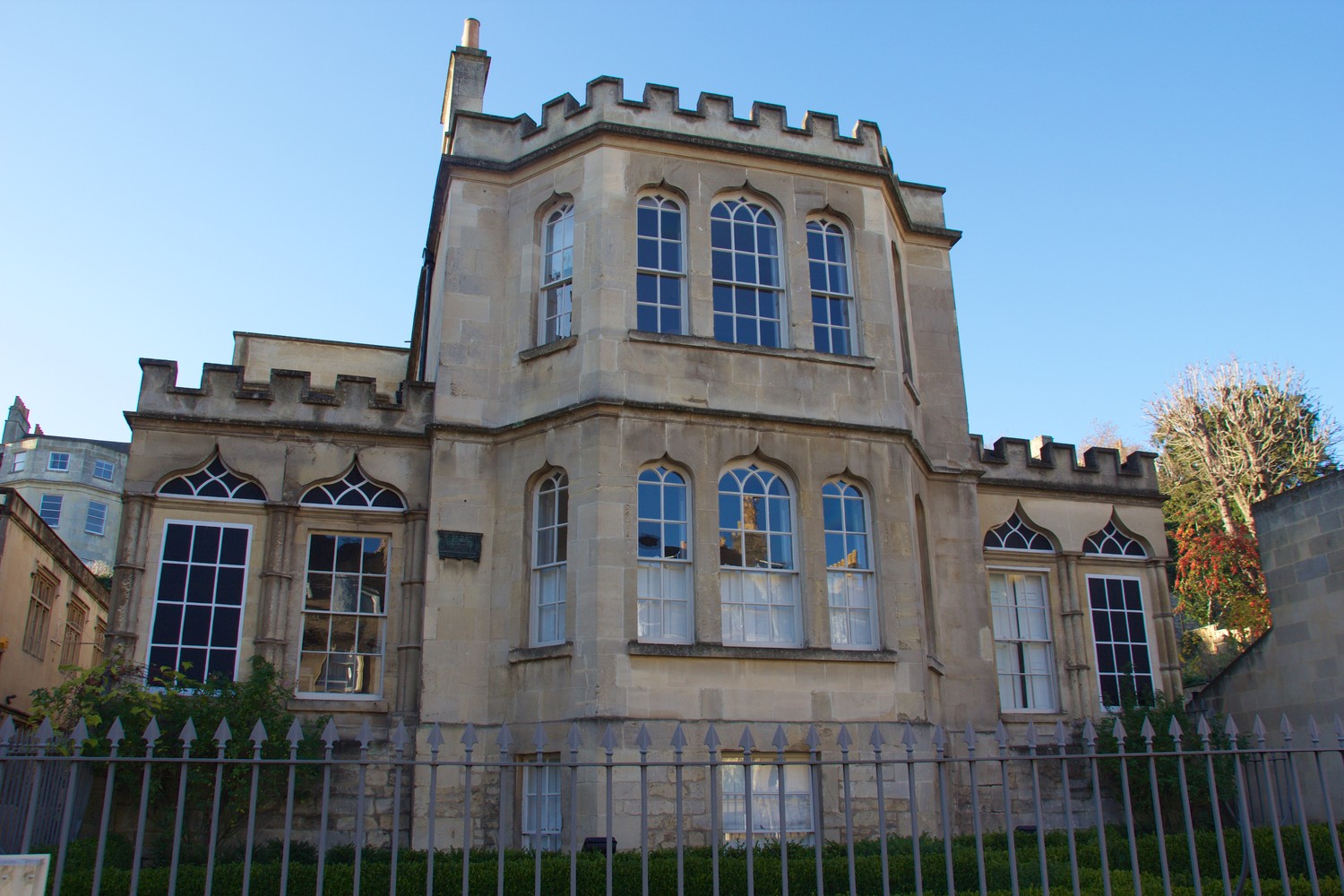
Stepping into The Building of Bath Museum is less an act of entering a gallery and more an immersion into the very soul of Georgian England. Nestled within the historic, Grade II* listed Countess of Huntingdon’s Chapel, the museum serves as a profound window into an era defined by architectural triumph and social refinement. As one wanders through the space—once the consecrated Trinity Presbyterian Church—the weight of history is palpable in every meticulously honed limestone block. The museum does not merely display the past; it breathes it, offering a rare glimpse into the transformative period when Bath ascended to become Britain’s premier spa town and an unparalleled architectural masterpiece.The setting itself is a testament to the era's aesthetic values, where the architecture of the building reflects the same dedication to precision and beauty that characterizes the city's famous streets. For the art lover or the historian, the museum provides a unique opportunity to explore the stylistic nuances of Georgian design, from the intricate plasterwork to the masterful use of ashlar dressing.
The Artistry of Construction and Canvas
Beyond the grandeur of its setting, the museum’s true magic lies in its ability to reveal the meticulous craftsmanship behind the city's iconic skyline. Here, the focus shifts from the finished monument to the delicate process of creation. Visitors are invited to marvel at detailed architectural models that trace the journey of a Georgian home from its foundational stone to its most intricate decorative embellishments. These tangible relics highlight the extraordinary skill of the stonemasons and carpenters whose labor shaped Bath’s identity, offering a profound look at the technical innovation of the eighteenth and nineteenth centuries.This reverence for precision is mirrored in the museum's exquisite collection of fine art, where the landscape of the city meets the mastery of the brush. The collection offers a breathtaking dialogue between architecture and atmosphere. One cannot help but be captivated by Joseph William Allen’s ‘Panorama of Bath’ (1833), a watercolor that captures the city’s skyline with such remarkable accuracy and vibrant hue that it feels as though the light of the nineteenth century is still dancing upon the page. This sense of place is further deepened by Eric A Quinn’s ‘A Quiet Corner of Bath,’ which provides a serene, contemplative counterpoint to the urban grandeur, and Philip James de Loutherbourg’s sweeping ‘Landscape with Cattle and Figures,’ which situates the city within its lush, pastoral surroundings. For the collector or the interior designer, these works are more than mere decorations; they are windows into a lost world of elegance and sophistication.
A Legacy of Design and Detail
What truly distinguishes The Building of Bath is its commitment to conveying not merely what was built, but the profound how behind every structure. By exploring the meticulous planning of Bath’s urban landscape—where original maps and architectural plans illuminate how squares were deliberately positioned to maximize sunlight and ventilation—the museum provides an invaluable lesson in intentional design. It is a place where the history of city planning meets the artistry of the individual creator, making it an essential destination for those who appreciate the intersection of utility and beauty.For anyone seeking inspiration to recapture the timeless grace of the Georgian era, the museum stands as an essential pilgrimage. It offers a deep understanding of the innovation, social context, and craftsmanship that continue to define the aesthetic legacy of this historic English gem, making it a cornerstone for anyone captivated by the enduring power of architectural heritage.