

The History of Güstrow Castle
Güstrow Castle originated from the necessity of rebuilding after a fire destroyed the previous medieval structure. The current Renaissance-era palatial schloss was commissioned in 1558 for Ulrich, Duke of Mecklenburg. This construction marked a transition from the older fortifications to a residence designed to reflect the status of the Mecklenburg lineage.
The building served as a primary residence for the House of Mecklenburg for several centuries. Following the death of the last duke of the Güstrow line in 1695, the palace became a secondary residence for the Dukes of Mecklenburg. During the 19th and early 20th centuries, the function of the estate shifted significantly. Between 1817 and 1950, the palace was utilized as a farm house for Mecklenburg workers.
After a period of extensive restoration work, the building returned to its original purpose as a site for public viewing. The first rooms were opened to the public as a museum in 1972. Today, the palace functions as a museum and cultural centre, preserving the history of the region through its architecture and permanent exhibitions.
Architecture and Design of the Palace
The palace is a quadrangular structure that reflects a specific intersection of European influences. Its design features a fusion of Italian, French, and German architectural styles, a characteristic notable for this region during the 16th century. The architect Franciscus Pahr served as the master builder for the additional south and west wings, contributing to the building's formal symmetry. Throughout the interior, the 16th-century palace is defined by its stucco decorations.
Later architectural additions occurred during the reign of Gustav Adolf. This period saw the construction of a Baroque-classicist gatehouse and the palace bridge. These elements introduced a different stylistic layer to the existing Renaissance framework. The current layout maintains the integrity of these various historical phases, from the original residential wings to the later Baroque modifications.
Art and Crafts Collections
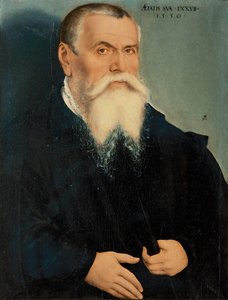
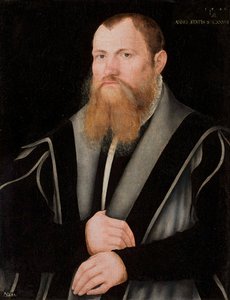
The museum maintains a permanent exhibition of art and crafts spanning from antiquity to the present. Within the refurbished former dining halls and residential rooms, the collection includes paintings by Cranach, Marten de Vos, and Tintoretto. These works are situated alongside a collection of German expressionists.
The former chamber of the duchess contains a selection of antique ceramic vessels and a large number of glass items. These objects are displayed within the historic interior of the palace, which was built in 1558 for Ulrich, Duke of Mecklenburg.
- Venus and Cupid as Honey Thief, about 1527 - Lucas Cranach the Elder
- Portrait of King Ferdinand I., about 1548 - Lucas Cranach the Elder
- Portrait of Martin Luther, about 1546 - Lucas Cranach the Younger
Exhibitions of Weapons and Hunting
The collections within the palace reflect the historical importance of the hunt to the nobility of the region. The art chamber contains various exhibits of hunting and ceremonial weapons. These pieces are held alongside a specific exhibition of hunting weapons sourced from the collection of the Duchy of Mecklenburg.
The theme of the hunt extends into the architectural decoration of the interior. In the banquet hall, the ceiling features unique stucco paintings of hunting scenes. These decorative elements are adaptations from Dutch copper engravings, translating the detail of printmaking into three-dimensional plasterwork.
Masterpieces of the Collection
The palace houses several significant works by the Cranach family. Lucas Cranach the Elder contributed Venus and Cupid as Honey Thief, dated about 1527, alongside his 1548 Portrait of King Ferdinand I. The collection also features a 1546 portrait of Martin Luther by Lucas Cranach the Younger.
Beyond these portraits, the residence contains well preserved Flemish paintings. One notable work among them depicts a Dutchman smoking. These pieces remain within the refurbished dining halls and residential rooms of the palace.
The Ballroom and Stucco Decorations
The palace retains much of its original decorative scheme, particularly within the ballroom and the theatre. The stucco ceilings throughout the palace are preserved in their original form. In the ballroom, a red deer frieze was created from coloured stucco by Christoph Parr around 1570. This decorative work features cartouches arranged in pairs, which bear the names of the Duke’s 16 noble ancestors. The animals depicted in the frieze are shown in various naturalistic poses, such as grazing or jumping in groups.
The theatre within the palace also contains significant decorative elements. It features well preserved original stucco paintings that remain in situ. These works contribute to the interior character of the residence, alongside the architectural features of the various state rooms.


