
A Symphony of Stone and Spirit: Unveiling Kelvingrove Art Gallery and Museum
Nestled within the verdant embrace of Kelvingrove Park in Glasgow, Scotland, stands a building that transcends mere architectural form—it’s a testament to Victorian ambition, artistic vision, and a profound connection to the city's rich heritage. Kelvingrove Art Gallery and Museum isn’t simply a repository of art; it’s an immersive experience, a journey through millennia of human creativity, scientific discovery, and cultural exchange. From its origins as a celebration of international industry to its current status as Scotland’s most visited museum, Kelvingrove embodies the spirit of Glasgow itself – bold, vibrant, and endlessly captivating.
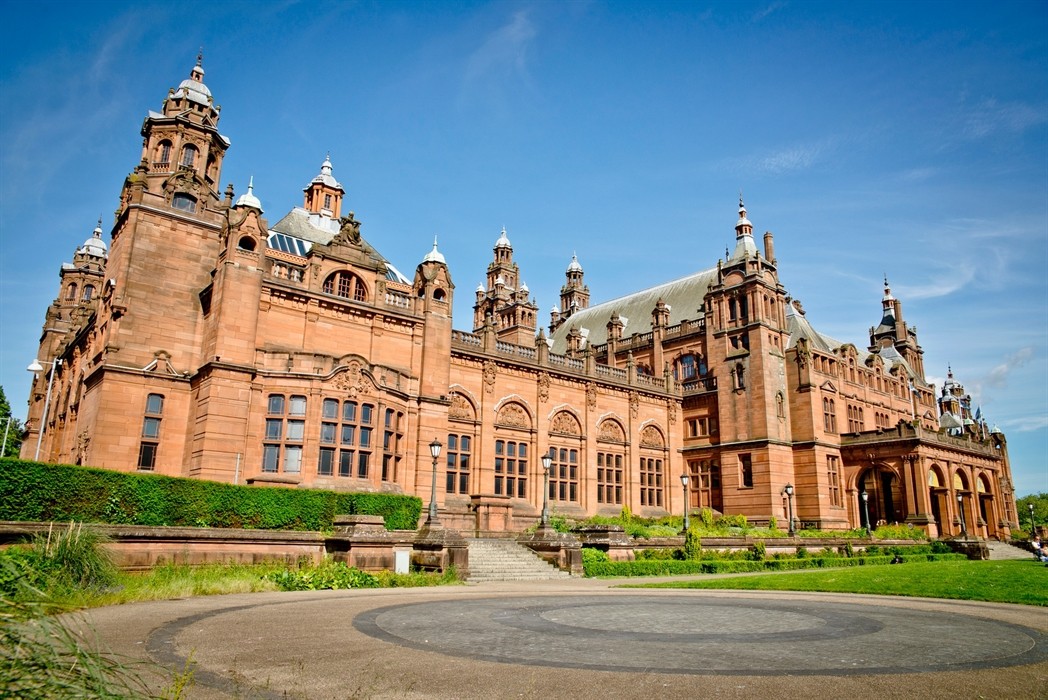
The building's genesis lies in the 1888 International Exhibition, conceived as a grand spectacle showcasing Glasgow’s burgeoning industrial prowess. Sir John W. Simpson and E.J. Milner Allen were tasked with creating a “palace for the arts,” a structure that would rival the great European museums of the time. The result is an architectural marvel—a flamboyant Spanish Baroque masterpiece constructed from distinctive Locharbriggs red sandstone, its façade adorned with intricate sculptural embellishments depicting mythological scenes and historical narratives. These carvings aren’t mere decoration; they are a visual chronicle of Scotland's past, inviting contemplation and sparking the imagination. The building’s deliberate asymmetry, coupled with its soaring height and dramatic entrance, immediately establishes a sense of grandeur and aspiration – a reflection of Glasgow’s burgeoning confidence at the turn of the century.
A Kaleidoscope of Artistic Treasures
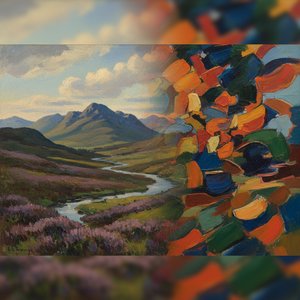
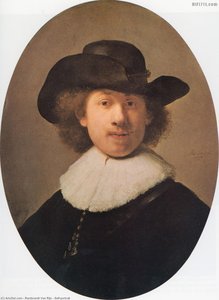
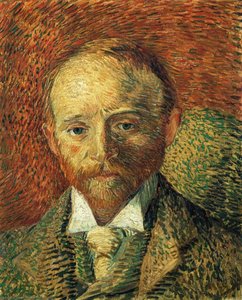
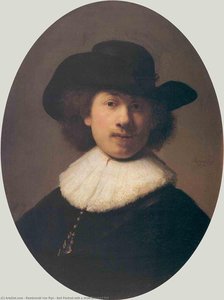
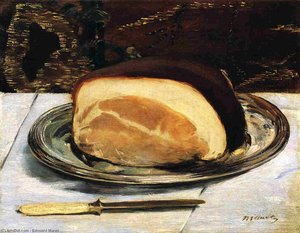
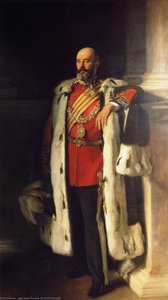
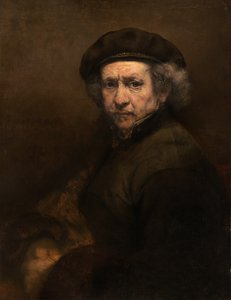
Kelvingrove's collection is remarkably diverse, encompassing a staggering breadth of artistic styles and historical periods. At its heart lies a significant collection of Scottish art, celebrating the vibrant canvases of the Glasgow Boys – pioneers of Impressionism in Scotland – who captured the fleeting light and atmosphere of their city with bold brushstrokes and innovative techniques. Alongside them, you’ll find the evocative brushstrokes of the Scottish Colourists, a group of artists who infused their paintings with intense colours and emotional honesty, reflecting the spirit of a nation forging its own identity. Beyond Scotland, the gallery houses international masterpieces that command attention: Salvador Dalí’s haunting *Christ of St John of the Cross*, a profound exploration of faith and suffering rendered in his signature surreal style; works by renowned European masters like Rembrandt and Monet; and captivating artifacts from across Africa, Asia, and Oceania – a testament to humanity's shared artistic heritage.
Notable highlights include a stunning array of arms and armoury, reflecting Glasgow’s historical role as a major trading center. Imagine the clang of steel and the gleam of polished weaponry, a tangible link to the city’s past as a vital hub for international commerce. The gallery also boasts an extensive collection of natural history specimens – including the iconic “Glasgow” elephant, a poignant reminder of the city’s connection to the East and its role in global exploration. And, of course, there's a remarkable display of Egyptian antiquities, offering a glimpse into ancient civilizations and their beliefs, from intricately carved sarcophagi to delicate pottery fragments.
A Dual Legacy: Art and Science in Harmony
Kelvingrove’s story is one of continuous evolution. Initially established as the City Industrial Museum in 1870, it evolved into a dedicated art gallery through the addition of a new wing between 1874 and 1876. This expansion solidified its position as Scotland’s premier cultural institution. The decision to build a palace for the 1888 International Exhibition proved pivotal, transforming Kelvingrove into a permanent home for Glasgow's artistic treasures.
More recently, in 2003-2006, a transformative refurbishment dramatically reshaped the galleries, enhancing visitor facilities and creating the current dual division into Life and Expression – a thoughtful organization that underscores Kelvingrove’s commitment to presenting art and science in harmonious dialogue. This modernization not only updated the museum's infrastructure but also fostered a more engaging and accessible experience for visitors of all ages. The reopening in 2006 marked a pivotal moment, attracting record numbers of visitors and solidifying Kelvingrove’s position as Scotland’s most popular museum.
Beyond the Walls: A Spirit of Curiosity
Kelvingrove is more than just a collection of objects; it's a space that fosters curiosity and wonder. The layout encourages exploration, inviting visitors to engage with the art and science on display—to contemplate the stories behind each piece and to connect with the broader human experience. The integration of natural history alongside fine art creates a unique atmosphere, prompting reflection on our place in the world and the interconnectedness of all things. The museum’s commitment to free admission ensures that this spirit of discovery is accessible to everyone, fostering a vibrant community of learners and enthusiasts.
Notable Features: Spanish Baroque architecture, Locharbriggs red sandstone construction, intricate sculptural embellishments; Scottish art (Glasgow Boys, Scottish Colourists), international masterpieces (Dalí’s *Christ of St John of the Cross*), natural history specimens, arms and armoury. Key Collections: Scottish art (Glasgow Boys, Scottish Colourists), international masterpieces (Dalí’s *Christ of St John of the Cross*), natural history specimens, arms and armour. Unique Aspects: Integration of art and science, free admission policy, architectural grandeur, vibrant cultural hub.
Discovering Glasgow's Artistic Heart
For a truly enriching experience, delve deeper into Kelvingrove’s rich tapestry through the supplementary research available online. Explore the works of Scottish artists like Deborah Allardyce and Ronald Forbes, whose distinctive styles offer a window into the region’s artistic landscape. The museum’s website provides detailed information on its collections, exhibitions, and events, as well as links to related resources such as artist biographies and historical context.
Useful Links: