

A Window into Colonial America: The Living Legacy of the DAR Museum
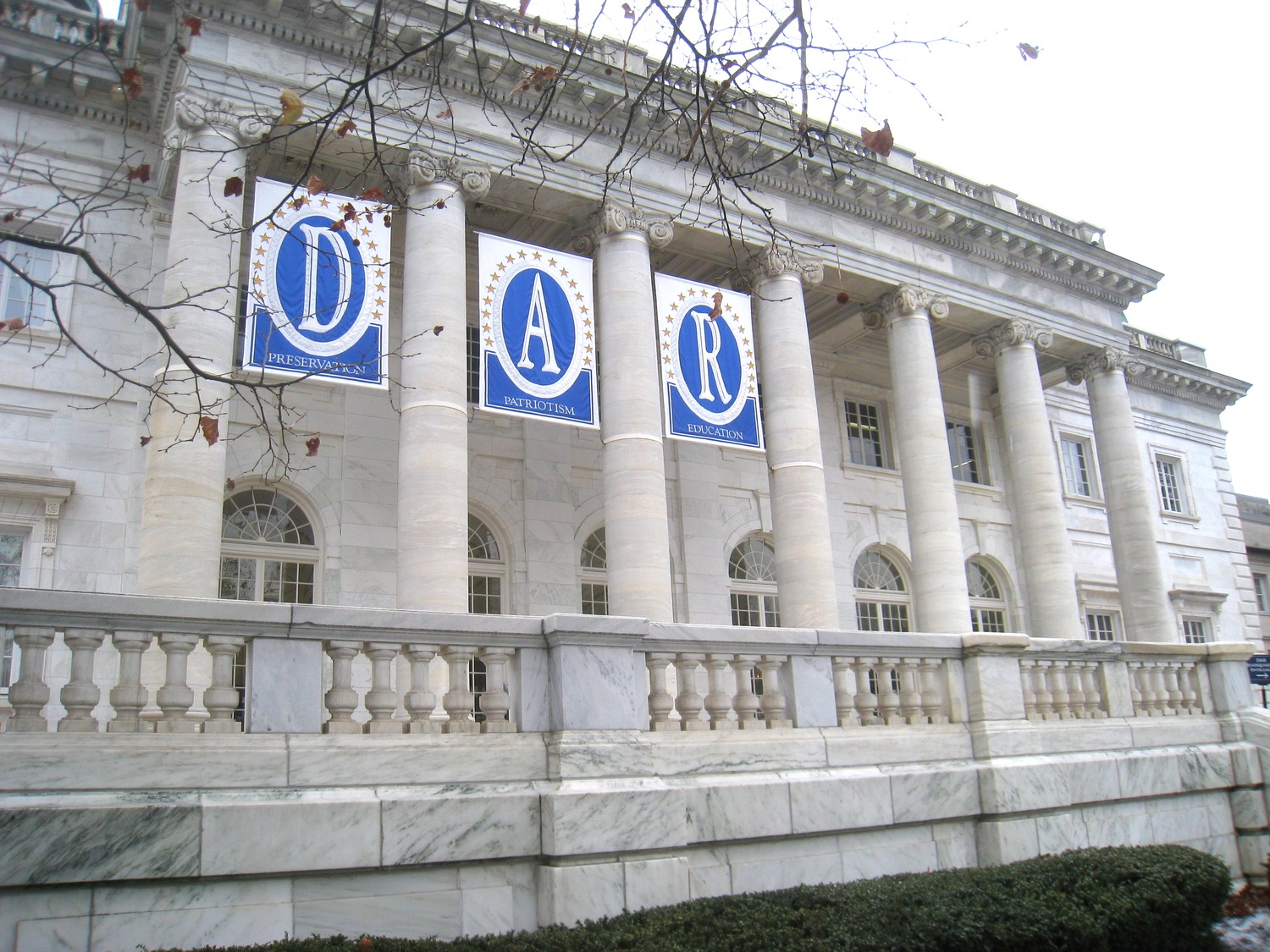
Nestled within the historic Memorial Continental Hall in Washington, D.C., the Dar Museum serves as much more than a mere repository for artifacts; it is a profound journey through the very soul of American heritage. To step inside is to leave the modern bustle behind and enter a realm where every object—from the delicate curve of a silver spoon to the heavy grain of a mahogany table—whispers a story of lineage, craftsmanship, and the enduring spirit of a nation in formation. The museum transcends its physical space, offering an immersive experience that connects the visitor to the aesthetic sensibilities and daily rhythms of a bygone era.
For the connoisseur of fine interiors and the historian alike, the true magic lies in the meticulously reconstructed period rooms. These are not merely static displays but immersive environments that transport visitors from the structured elegance of the Georgian era to the ornate opulence of the Victorian age. Here, one can observe the delicate dance of symmetry, grandeur, and restraint as they manifest in furniture, ceramics, and fine silver. For the interior designer, these rooms offer an unparalleled master-class in historical aesthetics, revealing how the textures of fine fabrics and the intricate motifs of floral patterns once defined the social landscape and reflected the burgeoning aspirations of a young country.
Threads of History and the Art of the Domestic Sphere
Beyond the grandeur of polished wood and gleaming metal, a more intimate narrative unfolds within the museum’s extraordinary textile collection. The museum houses over 500 quilts and coverlets, each a hand-stitched chronicle of life in the nineteenth and early twentieth centuries. These textiles are far more than decorative covers; they are tangible embodiments of family history, where every stitch represents a moment of migration, marriage, or remembrance. This thread of human connection is further woven into contemporary exhibitions such as “Fashioning The New Woman,” which explores the transformative power of fashion between 1890 and 1925.
Through the lens of changing silhouettes and garments, the museum illuminates the broader cultural shifts of suffrage and female autonomy, proving that even the most delicate lace can carry the weight of social revolution. Ultimately, what distinguishes the Dar Museum is its unwavering commitment to preserving American heritage alongside honoring familial legacies. It is a place where the personal meets the political, and where the domestic sphere is celebrated as a vital stage for historical change. For anyone seeking to understand the aesthetic foundations of American identity, this institution provides an essential, deeply emotional connection to the hands that shaped the past.