A Sanctuary of Artistic Echoes: The Philadelphia Museum of Art
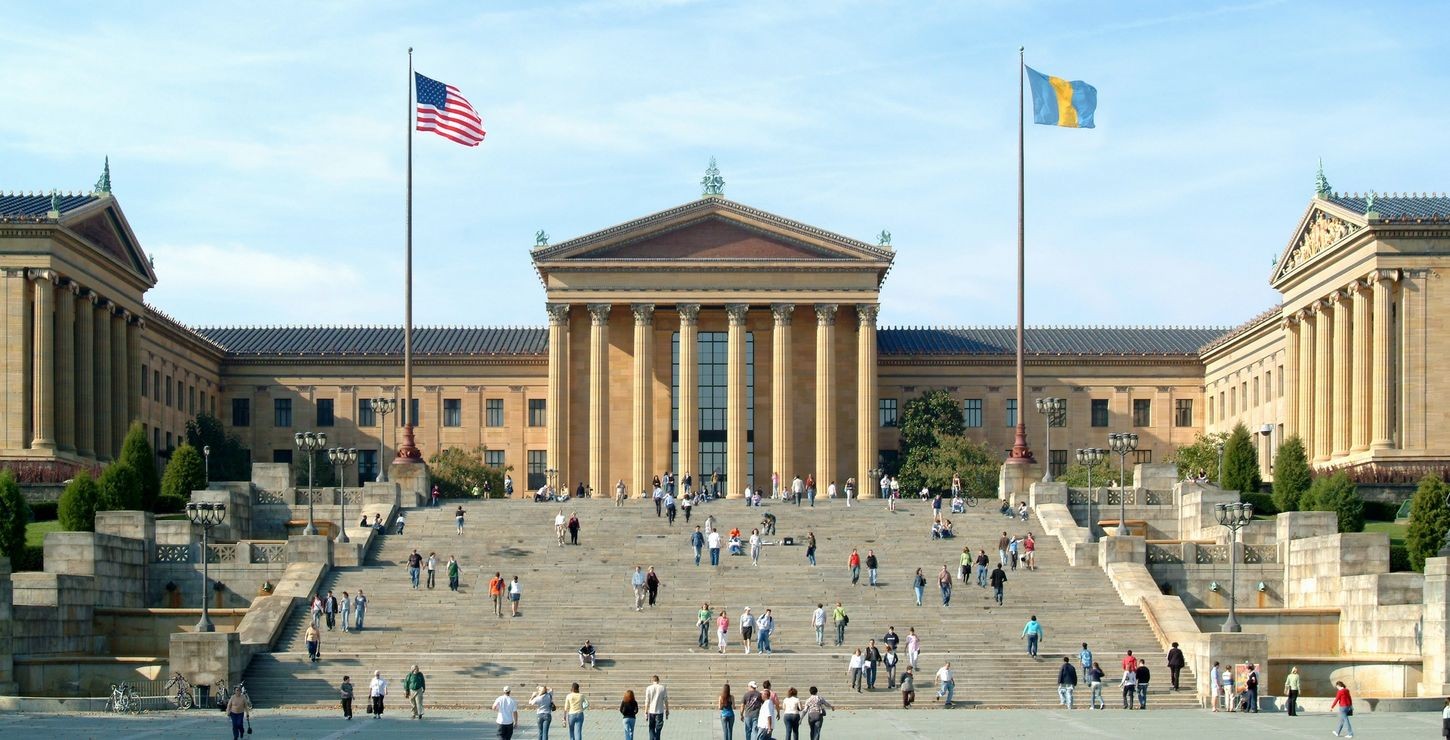
The Philadelphia Museum of Art is far more than just a building filled with masterpieces; it’s an immersive experience, a vibrant thread woven into the very soul of the city – a cultural landmark that resonates with both the grandeur of history and the pulse of contemporary life. Ascending the iconic “Rocky Steps,” immortalized in Sylvester Stallone's cinematic triumph, is more than just a physical climb; it’s a symbolic journey, a pilgrimage towards artistic inspiration, a prelude to discovering centuries of human creativity housed within its walls. Completed in 1928 through the visionary collaboration of Horace Trumbauer and Julian Abele, the museum’s neoclassical facade – with its imposing Corinthian columns and meticulously symmetrical design – immediately commands attention, hinting at the treasures that lie within. The building itself stands as a testament to ambition, conceived not merely as a repository for art, but as a beacon, a powerful symbol of Philadelphia's commitment to culture and intellectual growth. Its scale is deliberately grand, reflecting this unwavering dedication. Inside, sweeping staircases invite visitors into soaring galleries, creating an atmosphere of awe and quiet contemplation – a space designed to foster deep engagement with the artistic world. A more recent addition, the Perelman Building, seamlessly integrates modern functionality alongside the museum’s historic character, providing state-of-the-art facilities for prints, drawings, photographs, and design objects—a clear indication of the museum's evolving embrace of a diverse range of artistic mediums.
From Industrial Roots to Artistic Flourishing
The story of the Philadelphia Museum of Art is surprisingly humble in its beginnings. It wasn’t conceived as a stately palace of fine art; instead, it emerged in 1876 as the Pennsylvania Museum and School of Industrial Art – a pioneering institution with a remarkably forward-thinking mission. Its initial goal was to bridge the gap between artistic expression and practical skills, fostering both creativity *and* craftsmanship. This innovative approach fueled an extraordinary expansion over time, driven by generous donations and strategic acquisitions that transformed the museum into the comprehensive collection we see today. The construction of the main building on Fairmount Hill in 1928 marked a pivotal moment, solidifying the museum’s position as a vital cultural hub not just for Philadelphia, but for the entire nation. Today, the museum boasts an astounding collection exceeding 240,000 works – a remarkably cohesive narrative that spans continents and artistic movements. While undeniably renowned for its exceptional holdings in European art—from the Renaissance grandeur of Italian masters like Raphael and Michelangelo to the Impressionistic light captured with such delicate beauty by Monet and Renoir—the museum’s breadth is truly astonishing. A deeper exploration reveals a vibrant American collection charting the development of artistic styles across the nation's history, alongside an equally captivating dedication to Asian art – offering profound glimpses into the rich traditions of China, Japan, Korea, and beyond.
Whispers from Canvas and Stone
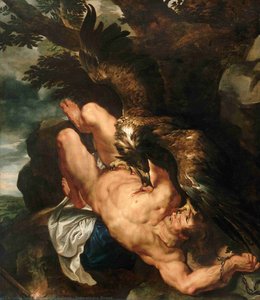
Exploring the museum’s galleries is akin to embarking on an artistic adventure, a journey where each artwork seems to whisper stories of its creators and the societies that shaped them. William Michael Harnett's *Still Life: Writing Table* (1877) stands as a prime example of trompe-l'œil realism – a technique so meticulously executed that it blurs the line between representation and reality. The illusion is so convincing, so utterly believable, that it feels as though the scene extends beyond the canvas itself, inviting the viewer to step into the room depicted. William Merritt Chase’s *Portrait of a Lady in Black* (also known as Annie Traquair Lang) offers a captivating study of elegance and social grace, capturing not just a likeness but also a sense of personality and inner life – a remarkable feat of observation and artistic skill. The museum's collection isn’t limited to paintings; Henri Matisse’s *Portrait d'Yvonne Landsberg* bursts with vibrant color and dynamic energy, while Winslow Homer’s evocative *Redwing Blackbirds* captures the fleeting beauty of nature with breathtaking precision. Benjamin West’s dramatic *The Death of Hyacinth* is a powerful testament to the artist’s ability to convey emotion through composition and light, and Peter Paul Rubens' *Chained Prometheus* embodies raw power and mythological drama. For those seeking a quieter, more intimate experience, Jean-Baptiste-Siméon Chardin’s *Hare with Game Bag and Powder Flask* offers a serene glimpse into 18th-century still life painting – showcasing masterful chiaroscuro (the dramatic use of light and shadow) and textured realism that invites close examination.
Celebrating Resilience: The Gee’s Bend Quilts
Beyond the celebrated canon of Western art, the Philadelphia Museum of Art has consistently championed voices often overlooked in traditional art history. The museum's collection of quilts from Gee’s Bend, Alabama, is a particularly poignant and powerful example of this commitment. Created by African-American women over generations, these vibrant and improvisational works are far more than just functional objects; they are expressions of resilience, creativity, and deeply rooted cultural heritage. Artists like Annie Elizabeth Pettway and Nettie Pettway Young transformed humble materials – cotton scraps, denim, and other discarded fabrics – into bold abstract compositions imbued with unique symbolism and reflecting a distinct aesthetic tradition passed down through their families. These quilts challenge conventional notions of artmaking, demonstrating that beauty and meaning can be found in the most unexpected places, and offer a profound glimpse into the lives and experiences of a community that has long been marginalized.
A Living Cultural Hub
The Philadelphia Museum of Art is not simply a static repository for the past; it’s a dynamic, living institution dedicated to engaging visitors with art in meaningful ways. The iconic “Rocky Steps” – made famous by Sylvester Stallone's cinematic triumph – have become a symbol of perseverance and triumph, embraced by visitors from around the globe as a testament to the human spirit. Beyond the main building, the Rodin Museum offers an intimate encounter with the sculptures of Auguste Rodin, while historic colonial-era houses like Mount Pleasant and Cedar Grove provide fascinating glimpses into Philadelphia’s rich past. The museum consistently strives to offer diverse programming – from engaging lectures and hands-on workshops for families to special events that celebrate art in all its forms – fostering dialogue, sparking curiosity, and inviting all who enter to embark on their own artistic journey. It remains a vibrant cultural hub, inspiring creativity and enriching the lives of countless individuals.