
A Sanctuary Rediscovered: The Museo Pio-Clementino’s Enduring Dialogue with Antiquity
Nestled within the imposing heart of Vatican City, a world apart yet inextricably linked to Rome's ancient narrative, lies the Museo Pio-Clementino – far more than simply a repository of artifacts. It is a deliberate act of cultural reclamation, a passionate return to the artistic ideals of antiquity after centuries perceived as having lost their way. Stepping through its grand entrance is akin to traversing time itself, enveloped in an atmosphere thick with history; you can almost hear the echoes of emperors contemplating philosophy, sculptors wrestling with form, and artists striving for divine representation. The very air hums with a palpable reverence, a testament to centuries of collecting and a profound understanding of art’s power to shape human thought. This museum isn't about displaying objects; it’s about recreating an experience—a journey back to the golden age of Rome, meticulously curated by generations of papal patrons.
The story of the Museo Pio-Clementino is inextricably bound to one sensational event: the discovery in 1697 near the Baths of Titus of *Laocoön and His Sons*. This dramatic sculpture, a harrowing depiction of a Trojan priest battling sea serpents, immediately captivated papal attention. It wasn’t merely its technical brilliance that resonated; it was the raw emotion captured within the marble – the agony etched on Laocoön's face, the desperate struggle against overwhelming odds, and the sheer dynamism of the scene. This discovery ignited a fervent passion for classical forms across Europe, sparking a renewed interest in Greek sculpture and profoundly influencing generations of artists. Today, *Laocoön* remains the undisputed centerpiece of the collection, but it’s just one element within a remarkably diverse ensemble.
The Heart of the Collection: Sculpture as Revelation
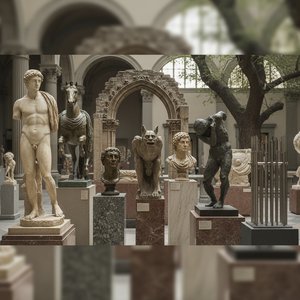
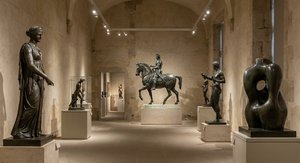
At the core of the Museo Pio-Clementino resides an astonishing assemblage of Hellenistic and Roman sculpture – a deliberate and significant departure from many museums that focus solely on the idealized forms of the classical period. Here, you’ll find works from the Hellenistic era, a time of artistic experimentation and innovation following Alexander the Great's conquests. This inclusion is crucial; it provides a richer understanding of art’s evolution, revealing a shift towards greater realism, dramatic intensity, and emotional expression. The collection isn’t dominated by polished perfection but by sculptures that bear the marks of human hands – imperfections that speak to their history and authenticity.
Alongside *Laocoön and His Sons*, you'll encounter treasures such as Apollo Belvedere, an embodiment of male beauty and divine grace radiating serenity and power; Nero’s Bathtub, a colossal testament to Roman engineering prowess and imperial extravagance—a surprisingly intimate glimpse into the private life of a notoriously capricious emperor; and the Augustus Tetrarchs, portraits offering a poignant and carefully constructed image of Emperor Augustus and his successors during the Pax Romana. Each sculpture tells a story, inviting viewers not only to appreciate their aesthetic beauty but also to contemplate the historical context in which they were created and the beliefs that shaped their conception. The curators have painstakingly restored many of these pieces, ensuring that their beauty and historical significance are preserved for future generations.
Architectural Harmony: The Octagonal Court as a Sacred Space
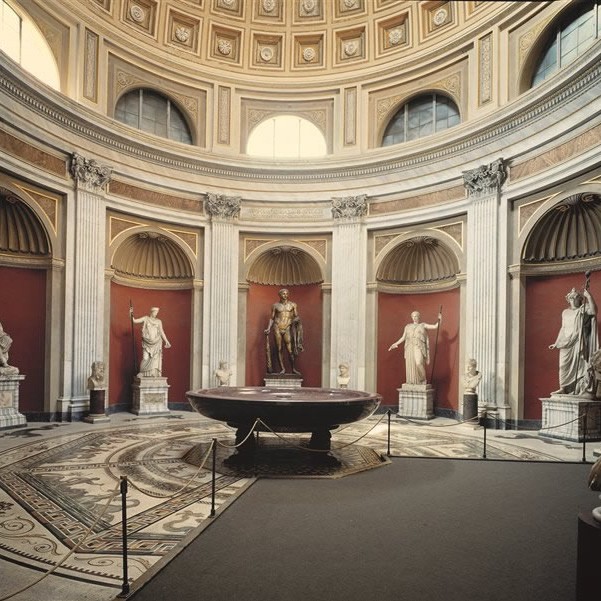
The architectural harmony of the Museo Pio-Clementino is as captivating as its sculptures. At the heart of this experience lies the Octagonal Court – a masterpiece of neo-classical design orchestrated by Alessandro Dori, Michelangelo Simonetti, and Giuseppe Camporese. This isn’t merely a room; it's a deliberately constructed space designed to elevate the viewing experience, mirroring the grandeur of papal palaces and reinforcing the museum’s connection to Rome’s artistic legacy. Soaring ceilings adorned with frescoes by Pinturicchio create an immersive environment that transports visitors back to the Baroque era – a time of opulent decoration and dramatic lighting.
The careful arrangement of sculptures within this architectural framework—a deliberate dialogue between art and space—enhances the emotional impact of each piece. The use of light is particularly noteworthy, meticulously considered to highlight the textures and colors of the sculptures while creating a sense of drama and reverence. The court’s symmetrical layout and the interplay of light and shadow create an atmosphere of profound serenity, perfectly complementing the solemnity of the sculptures on display. It's a space designed not just for viewing but for contemplation – a place where art and architecture converge to inspire awe.
A Legacy Forged in Papal Patronage & Continuing Dialogue
Founded with a clear purpose—to revive interest in classical antiquity—the Museo Pio-Clementino stands as a testament to papal patronage and its enduring impact on art history. The museum’s story is inextricably linked to the sensational discovery of *Laocoön and His Sons*, an event that ignited a passion for classical forms across Europe. Beyond its star sculptures, the collection encompasses a diverse range of artifacts – intricate mosaics depicting scenes from mythology, terracotta figurines offering glimpses into daily life, and fragments of painted vases revealing artistic techniques from antiquity. Each piece contributes to a rich tapestry of ancient culture, inviting visitors to connect with the past in a profound and meaningful way.
The museum actively fosters engagement through ongoing research projects and educational programs, ensuring that its legacy continues to inspire and inform for generations to come. Furthermore, consider exploring related sites within Vatican City – the Vatican Museums, just a short distance away, house masterpieces by Michelangelo, Raphael, and countless other renowned artists; the Vatican Apostolic Library offers access to ancient manuscripts and historical documents; and St. Peter's Basilica stands as a testament to centuries of faith and architectural grandeur. The Flag of Vatican City also provides context to the nation’s identity and history.
Further Exploration: Vatican Connections & Beyond
To deepen your understanding of the Museo Pio-Clementino, consider visiting the Vatican Museums – just a short distance away – which house masterpieces by Michelangelo, Raphael, and countless other renowned artists. The Vatican Apostolic Library offers access to ancient manuscripts and historical documents, while St. Peter's Basilica stands as a testament to centuries of faith and architectural grandeur. For additional insights into the artistic world, research Catalino Ortiz Brocka, a Filipino director known for his powerful films tackling social issues & anti-authoritarian themes, or explore the Vatican Museums and Galleries, which offer a comprehensive overview of the city’s unparalleled art collection. The Flag of Vatican City also provides context to the nation's identity and history.