


A Window Into Dutch Soul: Exploring the Rijksmuseum Amsterdam
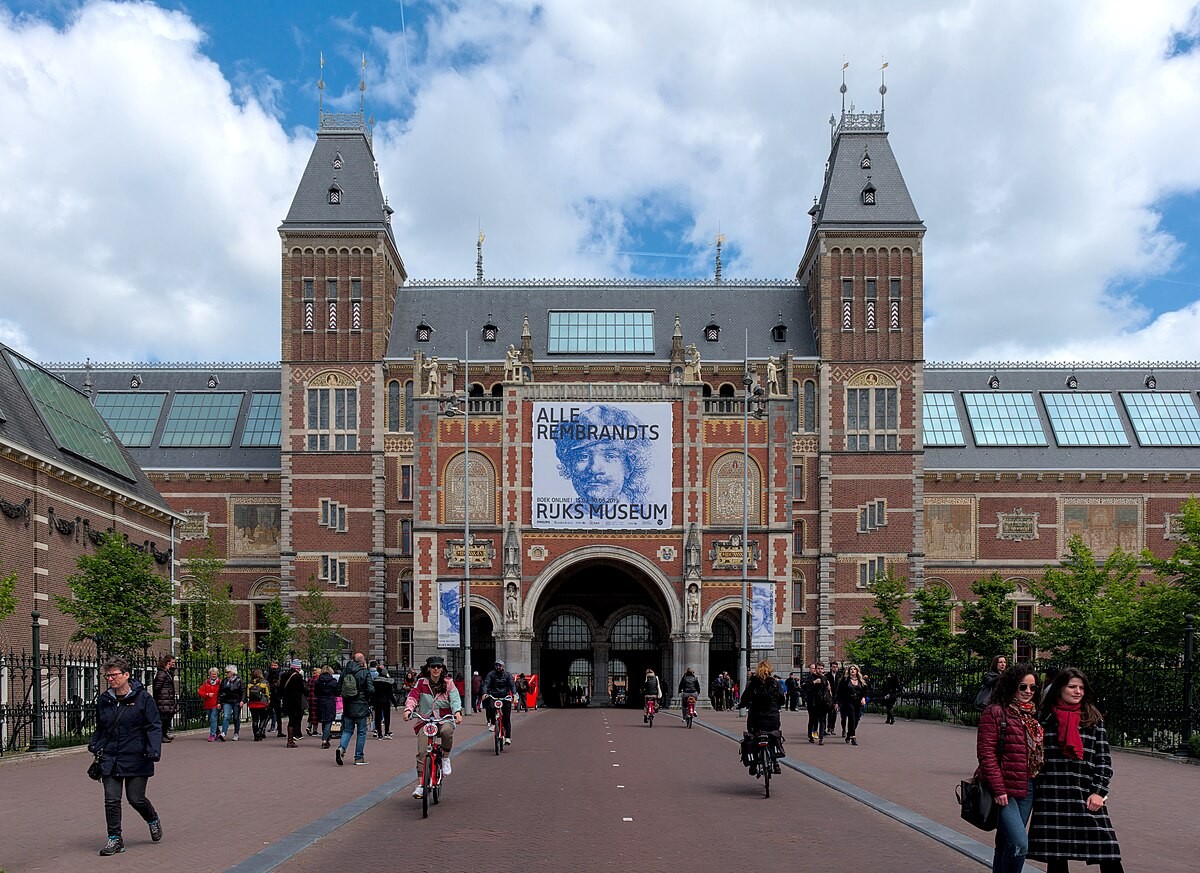
Stepping through the grand doors of the Rijksmuseum in Amsterdam is akin to entering a meticulously crafted time capsule—a vibrant, breathing testament to eight centuries of Dutch artistry and cultural evolution. Initially conceived as a national gallery in The Hague during the revolutionary fervor of 1798, its subsequent relocation to this magnificent city marked a pivotal moment, solidifying the museum’s position as a cornerstone of European art history. But it was Pierre Cuypers' architectural masterpiece, completed in 1885, that truly elevated the Rijksmuseum beyond mere storage; it became an immersive experience, a harmonious blend of Gothic and Renaissance influences, lavishly adorned with sculptures, intricate tile panels depicting scenes from Dutch folklore, and soaring stained-glass windows casting kaleidoscopic light upon its hallowed halls. Each element whispers tales of a nation’s proud past, inviting contemplation and sparking the imagination – a space designed not just to display art, but to embody the spirit of Holland itself.
Architectural Grandeur & Artistic Detail
The building itself is an integral part of the Rijksmuseum experience. Pierre Cuypers’ design is a masterpiece of Neo-Renaissance architecture, blending Gothic and Renaissance elements with breathtaking elegance. The exterior features intricate sculptures depicting scenes from Dutch mythology and history – heroic figures engaged in legendary battles, allegorical representations of virtue and vice, and portraits of prominent citizens. These sculpted narratives serve as a visual encyclopedia of the nation’s past, offering glimpses into its values and beliefs. The interior boasts lavish tile panels illustrating key moments in Dutch national identity—a vibrant tapestry woven with scenes from the Eighty Years' War, maritime trade, and religious reformations. These meticulously crafted tiles aren’t simply decorative; they are a powerful educational tool, conveying complex historical narratives to visitors of all ages. The soaring stained-glass windows cast kaleidoscopic light upon the galleries, creating an atmosphere of reverence and wonder – a carefully orchestrated interplay of color and illumination that enhances the beauty of the artwork within. Every detail, from the grand staircase leading to the main hall to the meticulously crafted ornamentation adorning the walls, speaks to the artistic sensibilities of 19th-century Holland; Cuypers’ vision was not merely functional but profoundly expressive – a testament to his belief in architecture as an art form in its own right.
A Collection That Breathes: Rembrandt, Hals, and Vermeer
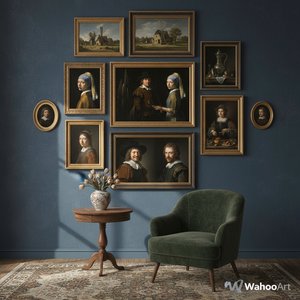
The Rijksmuseum's collection isn’t born of royal decree or centralized patronage, but rather the product of two centuries of dedicated acquisition—a remarkable tapestry woven through strategic purchases and generous donations. This diverse assemblage encompasses approximately one million objects, a staggering number that only around 8,000 are permanently displayed. Yet, within these walls resides a carefully curated narrative, offering a profound glimpse into the heart of Dutch identity. Naturally, Rembrandt van Rijn commands center stage, his monumental *The Night Watch* dominating the galleries with its dramatic composition and psychological depth. It’s not simply the painting's scale that captivates, but Rembrandt’s masterful manipulation of light and shadow, creating a palpable sense of movement and drama within the collective scene—a testament to his revolutionary approach to portraying human experience. Alongside Rembrandt’s titans stand the vibrant portraits of Frans Hals, capturing the energy and character of 17th-century Dutch society with an unparalleled immediacy; his brushstrokes seem to breathe life into his subjects, revealing their personalities and social standing. And then there's Johannes Vermeer, whose intimate domestic scenes—such as *The Milkmaid*—exude a quiet beauty and timeless grace, showcasing his extraordinary ability to capture the subtle nuances of light and texture, transforming everyday moments into works of art. Beyond these iconic figures, the collection reveals a wealth of lesser-known artists, offering a more complete picture of Dutch artistic development.
A History Forged in Trade & Revolution
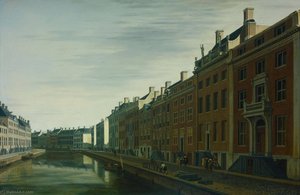
The Rijksmuseum’s story is inextricably linked to the history of Amsterdam itself. From its humble beginnings as a fishing village on the Amstel River, the city grew into a global trading hub during the 17th century, fueled by maritime expeditions and burgeoning commerce. This period, known as the Dutch Golden Age, saw an unprecedented flourishing of art, science, and culture – reflected in the museum’s vast collection. The impact of Napoleon's confiscation in 1815, followed by its thankfully swift return in 1815, played a crucial role in shaping the initial holdings, bringing together collections previously scattered across various institutions. Throughout the 19th century, the museum’s physical space proved inadequate to house its burgeoning collection, leading to Cuypers' ambitious design—a bold statement of Dutch architectural prowess. The construction itself was an artistic undertaking; separate contests were held for sculptures, tile panels, and stained glass – each element meticulously crafted to reflect Dutch art history and national pride. The reopening in 2013 after a decade-long renovation, costing €375 million, wasn’t merely a restoration project but a transformative reimagining of the museum experience, incorporating state-of-the-art facilities and enhancing accessibility for all visitors. This ambitious undertaking ensured that the Rijksmuseum could continue to engage with the present while honoring its rich past.
Engaging with the Present: Exhibitions & Innovation
The Rijksmuseum is not a static museum; it’s a dynamic institution committed to fostering dialogue and engagement. Temporary exhibitions delve into specific themes or artists, offering fresh perspectives on Dutch history and culture—recent shows have explored complex issues such as colonialism, the role of women in art, and the enduring legacy of individual masters. Interactive tours, workshops, and theatrical performances bring art to life for visitors of all ages and backgrounds, while digital technology – online resources, virtual experiences, and augmented reality applications – extends the museum’s reach far beyond its physical walls. This dedication to accessibility and innovation ensures that the Rijksmuseum remains a vital cultural destination for art lovers, collectors, and interior designers alike. The museum actively seeks to connect with contemporary audiences, demonstrating a commitment to both preserving the past and shaping the future of artistic appreciation.
- Highlights: Rembrandt’s *The Night Watch*, Frans Hals portraits, Johannes Vermeer interiors.
- Architecture: Pierre Cuypers’ Neo-Renaissance masterpiece – Gothic & Renaissance influences, sculptures, tile panels, stained glass windows.
- History: From Napoleonic confiscation to the 2013 renovation - A story of strategic acquisitions and national pride.
- Exhibitions: Dynamic temporary shows exploring diverse themes – colonialism, gender roles, artist legacies.
Additional Research:
- Rijksmuseum : https://en.wikipedia.org/wiki/Rijksmuseum
- Amsterdam : https://en.wikipedia.org/wiki/Amsterdam
- Rijksmuseum Research Library : https://en.wikipedia.org/wiki/Rijksmuseum_Research_Library
- November 2024 Amsterdam riots : https://en.wikipedia.org/wiki/November_2024_Amsterdam_riots
- Rijksmuseum, hét museum van Nederland : https://www.rijksmuseum.nl/