Self-PortraitJohn Opie · 1789
 Oil On Canvas
- WallArt
- Baroque
 1789
 70.0 x 60.0 cm
 National Gallery of Scotland
John Opie (1761 – 1807)
John Opie RA (1761-1807), önemli şahsiyetlerin portreleri ve Rembrandt tarzı ile tanınan Cornwall kökenli bir tarih ve portre ressamıydı. Kraliyet Akademisi üyesi ve sanat yazarıydı.
National Gallery of Scotland (Edinburgh, Birleşik Krallık)
National Gallery of Scotland ile İskoç sanatı ve tarihini keşfedin! Ünlü sanatçıların şaheserlerini keşfedin, kültürel mirasa dalın ve Edinburgh'un kalbindeki büyüleyici neoklasik binayı deneyimleyin.
The Enigmatic Gaze: Unveiling John Opie’s Self-Portrait
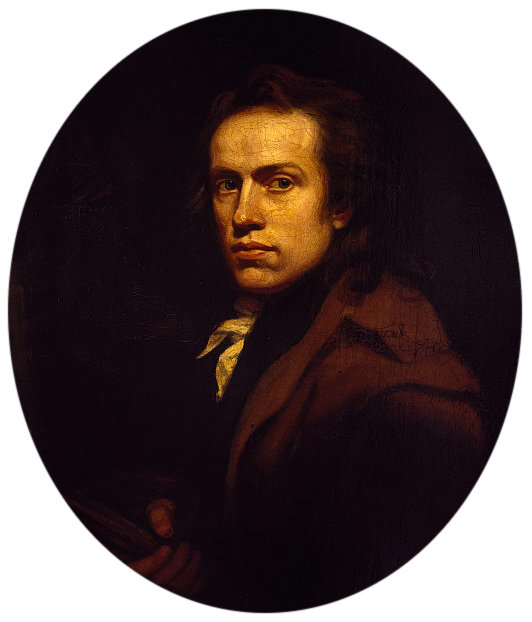
John Opie's 1789 “Self-Portrait” isn’t merely a likeness; it’s a carefully constructed window into the soul of a burgeoning artistic talent. Painted in oil on canvas, this oval composition immediately commands attention with its dramatic chiaroscuro – a masterful manipulation of light and shadow that plunges the viewer into an atmosphere of profound introspection. The portrait depicts Opie himself, not as a triumphant figure, but as a contemplative man, his gaze fixed directly upon the observer, inviting us to share in his thoughts and emotions. The choice of this particular pose—a slight turn of the head, a subtle furrowing of the brow—suggests a mind wrestling with ideas, a quiet intensity that belies the young artist’s burgeoning fame.
Baroque Drama and Cornish Roots
Opie’s style is deeply rooted in the Baroque tradition, a movement known for its theatricality, emotional intensity, and dramatic use of light. The influence of Caravaggio and Rembrandt—artists who were masters of chiaroscuro—is readily apparent in Opie's work. The stark contrast between the illuminated areas of the face and clothing and the deep shadows that envelop the background creates a sense of depth and volume, drawing our attention to the central figure. This technique wasn’t simply aesthetic; it was a deliberate choice to convey a powerful emotional state – here, a blend of seriousness, intelligence, and perhaps even melancholy. Born in Trevellas, Cornwall, Opie's artistic sensibility was profoundly shaped by his Cornish heritage, evident in the ruggedness of his features and the earthy tones that dominate the palette.
A Study in Form and Texture
Beyond the dramatic lighting, a closer examination reveals Opie’s meticulous attention to detail. The artist skillfully employs lines to define the contours of the face, clothing, and hair, creating a sense of solidity and form. The layering of paint—a technique known as impasto—adds texture to the surface, particularly in the rendering of the fabric draped over his shoulders and the delicate details of his hands. Note the subtle variations in color and tone that suggest the play of light on different surfaces. This careful observation and execution demonstrate Opie’s commitment to realism, a hallmark of his style.
Symbolism and the Portraiture of the Mind
The portrait transcends a simple likeness; it's a symbolic representation of the artist’s inner world. The direct gaze invites engagement, suggesting that Opie is not simply presenting himself but offering an invitation to share in his thoughts. The serious expression—a hallmark of many self-portraits from this period—hints at intelligence, introspection, and perhaps even a touch of melancholy. Considering the historical context – the late 18th century was a time of intellectual ferment and social change – Opie’s portrait can be interpreted as an exploration of identity in a rapidly evolving world. The choice to depict himself alone reinforces this sense of internal reflection, suggesting that the artist is grappling with profound questions about his place in society and his role as a creative force.
Further Exploration
- From Portrait to Icon: Exploring the Aesthetic and Digital Transformation of Self-Representation within Classical Art Traditions: Explore the fascinating evolution of portraiture from classical masterpieces to digital art! Discover symbolism, techniques & societal impact. Expert insights for collectors & enthusiasts at Mus3ums.
- John Opie - Wikipedia: A comprehensive overview of the artist’s life and work, including his early career, London years, and artistic influences.
- Self-Portrait by OPIE, John: A detailed examination of the painting’s composition, technique, and historical significance, with high-resolution images.
Bu eser hakkında
- Eser Adı: Self-Portrait
- Sanatçı: John Opie
- Yıl: 1789
- Orijinal boyutlar: 70.0 x 60.0 cm
- Biçim: Portrait
- Telif hakkı durumu: Kamu malı (telifsiz)
- Sergilendiği yer: National Gallery of Scotland
- Hareket: Baroque
- Teknik türü: WallArt
- Envanter numarası: NG 911
Hızlı Bilgiler
- Influences:
- Caravaggio
- Velazquez
- Movement: Baroque
- Artistic style: Portraiture, realistic
- Medium: Oil on canvas
- Dimensions: 70 x 60 cm
Soru ve Cevaplar
John Opie imzalı "Self-Portrait" eserinin kompozisyonunda baskın olan renk hangisidir?
"Self-Portrait" adlı eserde en çok öne çıkan renk Bronze (#c87f29)'dır. Baskın rengi bilmek, bir sanat eserini iç mekânla eşleştirirken size yardımcı olur.
John Opie imzalı "Self-Portrait" hangi konuyu ve atmosferi bir araya getiriyor?
John Opie imzalı "Self-Portrait", portrait, baroque, chiaroscuro, self-reflection, intellectual, victorian, cornish art, dramatic lighting konularını Dramatic bir ruh haliyle betimlemektedir. Konu ve atmosfer birlikte eseri tanımlar.
John Opie imzalı "Self-Portrait" için hangi reprodüksiyon boyutu öneriliyor?
"Self-Portrait" için önerilen baskı boyutu Medium'dır. Aynı oranlarda diğer boyutlar da mevcuttur.